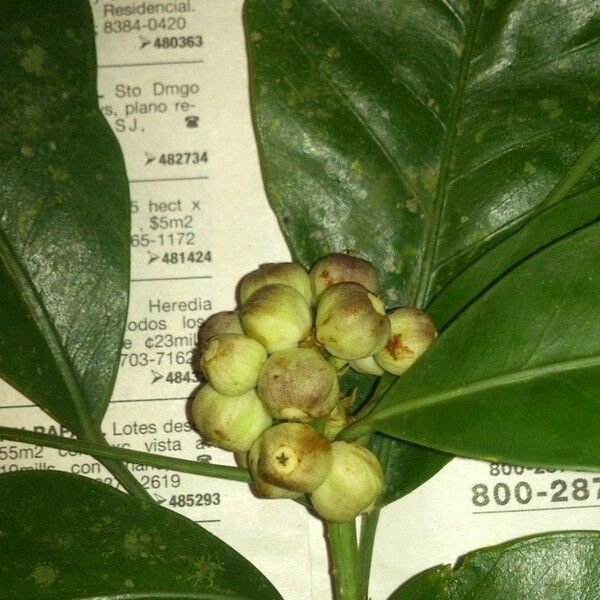
Plant Overview
Known as the "Stick of Life" (Palo de Vida) or the Virgin's Shield, Dendropanax arboreus is a versatile evergreen that thrives across the humid tropics of the Americas. In its youth, it looks like a modest shrub, but it can eventually tower into the forest canopy. It is a member of the Araliaceae family, making it a distant relative of both English Ivy and Ginseng.
🔍 How to Identify
- 🍃 Chameleon Leaves: The foliage is "polymorphic," meaning it changes shape. Young plants often have deeply lobed leaves (like a hand), while mature trees produce simple, oval-shaped leaves with a waxy, glossy finish.
- 💐 Firework Flowers: It produces small, greenish-white flowers arranged in "umbels"—clusters that look like tiny, exploding fireworks or the ribs of an umbrella.
- 🍇 Dark Berries: After flowering, the tree produces small, fleshy fruits that transition from green to a deep, dark purple or black when ripe, which are a favorite for local birds.
🏡 In Your Garden
- 🌱 Adaptable Light: While it prefers the dappled light of a forest understory, it is surprisingly hardy. It can transition from a shaded indoor corner to a sunnier patio, though its leaves may scorch if moved into intense direct sun too quickly.
- 💧 Drainage is Key: This plant loves humidity but hates "wet feet." In a garden or pot, it requires well-draining soil to prevent root rot. It is often used in restoration projects because its fast-growing nature helps provide quick cover for other sensitive species.
⚠️ Safety & Toxicity
- 🐾 Mildly Toxic: Like many members of the Ivy family, the sap contains saponins and potentially calcium oxalate crystals. If leaves or berries are ingested, they can cause stomach upset, drooling, or vomiting in cats, dogs, and small children.
- 🖐️ Skin Irritation: Some sensitive individuals may experience mild dermatitis (itchy skin) if they come into contact with the sap while pruning. It is always best to wear gloves when handling the stems.
✨ Fun Fact
The name Dendropanax comes from the Greek words "Dendro" (tree) and "Panax" (all-healing). While it shares a name with the famous medicinal Ginseng, this "Tree Ginseng" is prized more for its resilience and timber than its roots!

Detailed Care Instructions
To grow Dendropanax arboreus plant, also known as the West Indian bay tree, you can follow these steps:
- Climate and location: Ensure that you are in a suitable climate zone for this plant, which is typically USDA Zones 10-11. The West Indian bay tree prefers tropical or subtropical climates, with temperatures not dropping below 30°F (-1°C). Choose a location with well-draining soil and partial shade to full sun exposure.
- Soil preparation: Prepare the soil by ensuring good drainage. Amend the soil with organic matter like compost or well-rotted manure to enhance fertility and moisture retention.
- Propagation: Dendropanax arboreus can be propagated through seeds or cuttings. If using seeds, sow them in a well-prepared seedbed or small pots filled with a mixture of peat moss and sand. Keep them consistently moist until they germinate, which may take several weeks. If using cuttings, take stem cuttings with at least two nodes and remove the leaves from the lower portion. Place the cutting in a rooting hormone and then plant it in a pot filled with a well-draining rooting medium. Keep the soil moist and place the pot in a partially shaded area until roots develop.
- Planting: Once the seedlings or cuttings have developed a sufficient root system, transplant them into larger pots or directly into the ground. If planting in the ground, dig a hole twice as wide and deep as the root ball. Carefully place the plant in the hole, ensuring that the top of the root ball is level with the soil surface. Backfill the hole with soil, gently firming it around the roots. Water thoroughly.
- Watering: Water the plant regularly to keep the soil consistently moist but not waterlogged. Monitor the moisture levels and adjust watering accordingly, taking into account the weather conditions.
- Mulching and fertilizing: Apply a layer of organic mulch around the base of the plant to help retain moisture and regulate soil temperature. Fertilize the plant with a balanced, slow-release fertilizer during the growing season to promote healthy growth.
- Pruning: Regularly prune the plant to maintain its shape and remove any dead or diseased branches. Pruning also helps stimulate new growth.
- Pests and diseases: Monitor the plant for common pests like aphids, mealybugs, and scale insects. Treat any infestations promptly with appropriate insecticides. Avoid overwatering to prevent root rot.
By following these steps and providing proper care, you can successfully grow Dendropanax arboreus.
To water this plant, it is important to check the soil moisture regularly. Stick your finger about 1-2 inches deep into the soil and if it feels dry, it is time to water. Use room temperature water and water thoroughly until excess water drains out of the bottom of the pot. Do not let the plant sit in standing water as this can lead to root rot. During the growing season, this plant may require more frequent watering than in the winter when it goes dormant. Maintaining even soil moisture is important for the health of this plant.
To fertilize this plant, you should use a balanced, slow-release fertilizer in the early spring. Avoid fertilizing during the winter months. Measure the recommended amount of fertilizer and scatter it around the base of the plant, then gently work it into the soil. Water thoroughly after fertilizing. Repeat this process every six to eight weeks during the growing season to help encourage healthy growth.
Dendropanax arboreus plant prefers well-draining soils that are slightly acidic and rich in organic matter. A mixture of peat moss, perlite, and pine bark is recommended to provide adequate drainage and nutrient availability. It is important to avoid heavy clay soils or soils with poor drainage, as this can lead to root rot and other issues. Regular fertilization with a balanced organic fertilizer can also help maintain healthy growth and foliage.
To propagate this plant, you will need to take stem cuttings from a healthy adult plant. Choose a stem that is about 6-8 inches long, and cut it off at a 45-degree angle with clean, sharp shears.
Remove the bottom inch of leaves from the stem, leaving a bare stem with several leaves at the top. Dip the cut end of the stem into rooting hormone powder, shaking off any excess.
Prepare a planting pot with well-draining soil. Make a hole in the soil with a pencil or your finger, and insert the cutting with the cut end down. Firm the soil around the stem to hold it upright.
Water the cutting well, and cover the pot with a plastic bag or a clear plastic dome to create a humid environment. Keep the soil moist but not soggy, and place the pot in a bright, but indirect, sunlight location.
Check the cutting regularly for signs of new growth, which should appear within a few weeks to a month. Once the cutting has established roots and begun to grow, you can transplant it to a larger pot or outdoors in a suitable location.








