Plant Overview
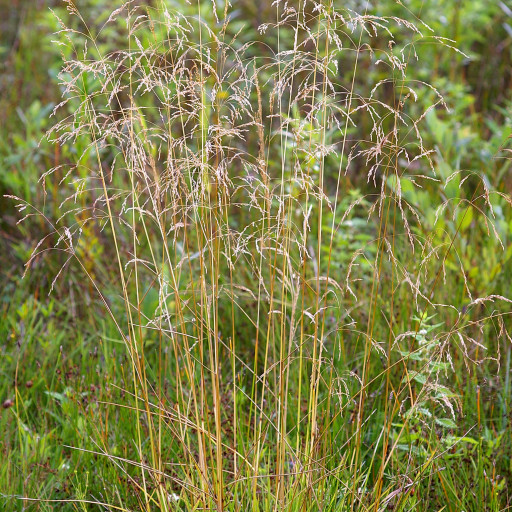
Known widely as "Tufted Hair Grass," this elegant perennial looks like a fountain of fine, deep green wire topped with shimmering clouds of gold and bronze. It is a true survivor, native to various climates across the Northern Hemisphere, and is beloved by gardeners for its ability to bring movement and light to the garden. Unlike many of its sun-loving cousins, it thrives in the cool, damp corners of a landscape where other grasses might struggle.
🔍 How to Identify
- 🌿 Foliage: It forms a very neat, dense "tussock" or mound of thin, dark green leaves that remain semi-evergreen in milder winters.
- ☁️ Flower Panicles: In mid-summer, it produces airy, delicate flower spikes that float nearly two feet above the foliage, creating a "hazy" or "misty" visual effect.
- 🎨 Color Shift: The flowers begin with a subtle metallic sheen of purple or green and eventually ripen into a brilliant, glowing straw-gold that catches the low evening sun.
🏡 In Your Garden
- 🌥️ Shade Specialist: This is one of the few ornamental grasses that performs exceptionally well in partial shade. It’s the perfect solution for adding texture to woodland edges or under the dappled light of large trees.
- 💧 Thirst for Moisture: While it is hardy, it hates "wet feet" but equally dislikes drying out completely. It thrives in soil that stays consistently moist, mimicking its natural habitat of damp meadows and bogs.
- ✂️ Winter Interest: Resist the urge to cut it back in the fall. The dried flower heads look stunning when covered in morning frost, providing structural beauty throughout the coldest months.
⚠️ Safety & Toxicity
- 🐾 Pet Friendly: This plant is considered non-toxic to dogs, cats, and horses. It is a very "safe" choice for high-traffic family gardens.
- 👶 Gentle Texture: Unlike some ornamental grasses that have sharp, serrated edges (like Sawgrass), Tufted Hair Grass is relatively soft to the touch, making it safe for curious children.
✨ Fun Fact
This grass acts as a vital "nursery" for the insect world. It is the primary larval host plant for several species of butterflies, including the beautiful Ringlet and the Meadow Brown, whose caterpillars rely on these specific leaves for their first meals.

Detailed Care Instructions
To grow Deschampsia Cespitosa, also known as tufted hairgrass, you can follow these steps:
- Choose the right location: Deschampsia Cespitosa prefers full sun to partial shade. Select a location that gets adequate sunlight for at least 4-6 hours a day.
- Prepare the soil: This plant prefers well-draining soil. Till the soil to a depth of 6-8 inches and amend it with organic matter like compost to improve drainage and fertility.
- Planting: Dig a hole slightly larger than the root ball of the plant. Place the plant in the hole and backfill it with soil, making sure the crown of the plant (where the foliage meets the roots) is level with the soil surface. Space multiple plants at least 12 to 18 inches apart.
- Watering: Water the plant thoroughly after planting to settle the soil. For the first few weeks, water regularly to keep the soil evenly moist. Once established, tufted hairgrass is fairly drought-tolerant but will benefit from occasional watering during dry periods.
- Mulching: Apply a layer of organic mulch around the plant, such as wood chips or straw. Mulch helps conserve moisture, suppress weed growth, and keep the soil temperature stable.
- Fertilization: Deschampsia Cespitosa generally does not require heavy feeding. However, you can apply a balanced slow-release fertilizer in early spring to promote healthy growth.
- Maintenance: Regularly monitor the plant for any signs of pests or diseases. Remove any dead or damaged foliage to maintain a tidy appearance. Dividing mature clumps every few years can rejuvenate the plant and promote its vigor.
- Propagation: Tufted hairgrass can be propagated by dividing mature clumps in spring or autumn. Dig up a clump, separate it into smaller sections, and replant them in the desired location.
By following these steps, you should be able to successfully grow Deschampsia Cespitosa and enjoy its beautiful ornamental grass-like foliage.

Place in a bright room that is sun drenched almost all day. Or directly in a south-facing window.

To properly water this plant, you should first determine its individual watering needs. This can depend on factors such as the plant's location, soil type, and environmental conditions.
Before watering, check the soil around the plant to ensure it is dry to the touch. You may also want to consider using a moisture meter to accurately gauge the plant's moisture level.
When watering, avoid getting moisture on the plant's foliage, as this can lead to disease or fungal issues. Instead, aim to water the soil around the base of the plant. It's best to water deeply and infrequently, allowing the soil to dry out slightly between waterings.
If the plant is situated in a container, ensure there is adequate drainage to prevent water from pooling in the soil.
Overall, it's important to monitor the plant's water needs regularly and adjust your watering routine accordingly.
To fertilize this plant, use a slow-release, balanced organic fertilizer in early spring and again in late summer. Spread the fertilizer evenly around the base of the plant, being careful not to apply too much or get any on the leaves or stems. Water the plant thoroughly after fertilizing to ensure the nutrients penetrate into the soil. Avoid using chemical fertilizers, as they can damage the delicate root system of this plant.
When selecting soil for the Deschampsia Cespitosa plant, it is important to consider the natural habitat of the plant and the type of soil it prefers. This plant typically grows in a range of soil types, but it prefers soil that is moist, well-draining, and rich in organic matter. The soil should have a pH range between 5.5 and 7.0, as this plant prefers slightly acidic to neutral soil. It is also important to ensure that the soil provides good aeration and drainage, as the Deschampsia Cespitosa plant does not tolerate waterlogged soil. A soil mix that contains a high proportion of peat moss or humus, mixed with perlite or vermiculite for drainage, is ideal for this plant. Before planting, it is advisable to prepare the soil by adding compost or well-aged manure to improve soil fertility and drainage. Overall, the soil mix should be loose, friable, and lightweight, as the Deschampsia Cespitosa plant has shallow roots and requires good soil structure for optimal growth.
Deschampsia cespitosa can be propagated through division or from seed. For division, the plant should be dug up in the spring or fall and divided into smaller clumps with a sharp knife or shovel. Each clump should have several healthy shoots and a good root system. These smaller clumps can then be replanted in a new location or shared with other gardeners.
For propagation from seed, the plant should be allowed to go to seed in the fall. The seeds should be collected when they are ripe and can be sown in a seed tray or small pots filled with a sterile seed-starting mix. The seeds should be covered lightly with soil and kept moist until germination, which can take several weeks to several months depending on the temperature and other growing conditions. Once the seedlings have grown big enough, they can be transplanted into larger pots or directly into the garden.








