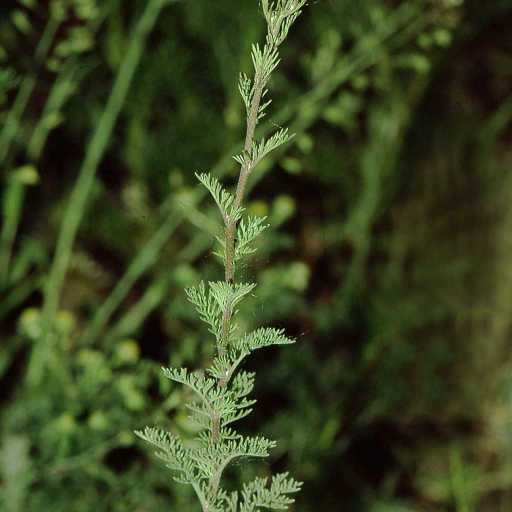
Plant Overview
Often called Flixweed or "Herb-Sophia" (meaning "the wisdom of surgeons"), this delicate-looking member of the mustard family is far tougher than its lacy appearance suggests. Native to Europe and Asia but now found globally, it has followed human travel for centuries. In medieval times, it was so highly regarded for its ability to treat wounds and dysentery that it earned its "Sophia" title as a tribute to its perceived medicinal intelligence.
🔍 How to Identify
- 🌿 The Foliage: The leaves are the plant's most striking feature; they are incredibly fine, grayish-green, and "tripinnate," giving the entire plant a soft, feathery, or fern-like texture.
- 🌼 The Blooms: It produces clusters of tiny, pale yellow flowers at the tips of its branches. Interestingly, the petals are often smaller than the green sepals surrounding them, making the flowers look subtle and understated.
- 🫛 The Seed Pods: After flowering, the plant develops very thin, thread-like pods (siliques) that point upward. These pods contain a single row of microscopic orange-red seeds.
🏡 In Your Garden
- 🌱 The Pioneer Spirit: Flixweed is a classic "disturbed soil" plant. You’ll often find it populating garden beds that have recently been tilled, or along dry roadsides and fence lines where other plants struggle.
- ✂️ Persistence: It develops a sturdy taproot early in life. This makes it very drought-tolerant but also means it is much harder to pull out once it matures. If you wish to manage it, it is best to remove it before those thousands of tiny seeds can scatter in the wind.
⚠️ Safety & Toxicity
- 🐾 Nitrate Accumulator: While not strictly "poisonous" to the touch, Flixweed is known to accumulate nitrates from the soil. This can be toxic to livestock, particularly cattle and sheep, if they graze on it in large quantities.
- 👶 Gastrointestinal Caution: It is generally safe for humans to handle, but like many wild mustards, the seeds and leaves can cause stomach irritation or digestive upset in curious pets or children if ingested in significant amounts.
✨ Fun Fact
The seeds of Descurainia sophia are incredibly tiny—so small that a single plant can produce up to 75,000 of them! Historically, because of their consistent size and unique chemical properties, they were sometimes used as an ingredient in early gunpowder recipes to help stabilize the burn.

Detailed Care Instructions
Here are some tips to help you grow Descurainia Sophia plant:
- Planting: Start by selecting a location that receives full sun or partial shade. The plant prefers well-drained soil, so ensure that the soil is loose and fertile. You can sow the seeds directly into the ground in spring or fall, or start them indoors and transplant outdoors after the last frost.
- Watering: After planting, water the soil thoroughly to provide moisture for germination. Once the plant is established, water it regularly, ensuring that the soil is consistently moist but not waterlogged. Avoid overwatering as it can lead to root rot.
- Fertilization: For optimal growth, you can apply a balanced, slow-release fertilizer once or twice during the growing season. Follow the instructions on the fertilizer package for the appropriate dosage.
- Mulching: Applying a layer of organic mulch around the base of the plant can help retain soil moisture and suppress weed growth. Use materials like straw or wood chips and maintain a distance from the stem to avoid trapping moisture against the plant.
- Pruning: As the plant grows, you can shape it by pruning. Prune any dead or diseased branches to maintain plant health and vigor.
- Pests and diseases: Descurainia Sophia plant is generally resistant to pests and diseases. However, keep an eye out for common garden pests like aphids or caterpillars. Use organic methods like handpicking or spraying with soapy water to control minor infestations.
- Harvesting: Descurainia Sophia is typically grown for its edible leaves, young shoots, and seeds. You can harvest the leaves when they are tender and young. The seeds can be collected once they turn brown and are fully mature.
Remember to check the specific needs of your region and adjust your care accordingly.

Place in a bright room that is sun drenched almost all day. Or directly in a south-facing window.

The watering requirements for this plant involve providing sufficient water to the soil, but not over-watering it. It is important to ensure that the plant has an adequate amount of water during the growing season, particularly during dry periods. One can determine whether the plant requires watering by checking the soil's moisture level, which can be done by sticking a finger a few inches into the soil. If the soil feels dry to the touch, it requires watering, and if it feels moist, you can hold off watering for a little while longer. When watering, it is essential to use a watering can or a hose with a gentle spray, avoiding oversaturation, as this can dampen the area around the plant, leading to root rot. Additionally, it is recommended to water early in the morning or late in the afternoon to avoid evaporation.
To promote healthy growth for this plant, it is recommended to apply a balanced fertilizer during the growing season. Follow the instructions on the fertilizer package for application rates based on the plant's size. Water the plant well before and after fertilizing to ensure nutrients are absorbed into the soil. Avoid over-fertilizing, as this can lead to excessive growth and a weakened plant.
For optimal growth and health of the Descurainia Sophia plant, it is recommended to use well-draining soil that is rich in organic matter. The pH level of the soil should be between 6.0 and 7.5. The plant prefers a slightly alkaline soil.
It is important to avoid using heavy soils that do not drain well, as this can lead to root rot and other issues. Sandy loam with good drainage properties is a great soil type for this plant.
Additionally, the soil should be kept slightly moist, but not too wet. Overwatering can cause the plant to rot, while underwatering can cause it to wilt. Therefore, the soil should be allowed to dry out slightly between watering.
Overall, the best soil for the Descurainia Sophia plant is one that is well-draining, rich in organic matter, slightly alkaline, and kept slightly moist.
To propagate this plant, you need to collect its seeds either through harvesting from an existing plant or purchasing from a reliable supplier. Make sure the seeds are mature and viable. Prepare a seedbed by loosening the soil and removing any debris or weeds.
Sow the seeds into the seedbed, spacing them out and not burying them too deep. It's recommended to cover the seedbed with a thin layer of mulch to retain moisture and improve germination rates.
Water the seeds regularly, but not to the point of saturation. They should germinate in around two weeks. Once they reach a height of a few inches, they can then be transplanted to their final location. Provide the plants with adequate sunlight, soil, and nutrients to encourage healthy growth.








