Plant Overview
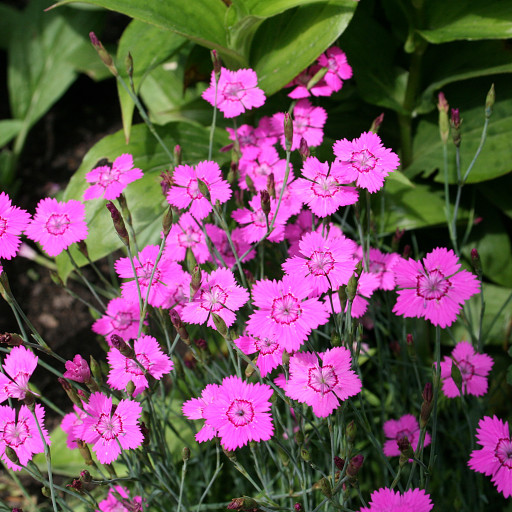
Known affectionately as the Maiden Pink, this charming perennial creates a vibrant, low-growing carpet that looks like a scattered collection of bright neon confetti. Native to the meadows of Europe and Western Asia, it is a favorite for rock gardens and stone walls because it is as tough as it is beautiful, often blooming so profusely that it completely hides its own foliage.
🔍 How to Identify
- 🌸 Serrated Petals: The small, five-petaled flowers feature distinctive "zig-zag" or fringed edges, looking as if they were meticulously trimmed with pinking shears.
- 🍃 Mat-Forming Foliage: The leaves are narrow, lance-shaped, and deep green, forming a dense, grass-like cushion that stays close to the ground.
- 👁️ The Central Ring: Most varieties display a darker, contrasting pigmented ring or "eye" at the center of each bloom, which acts as a bullseye for visiting butterflies.
🏡 In Your Garden
- ☀️ Sun Seeker: This plant thrives in full sun; providing at least six hours of direct light ensures the most vivid colors and prevents the stems from becoming "leggy."
- 💧 Drainage is Vital: While hardy, the Maiden Pink hates "wet feet." It is highly susceptible to crown rot in soggy soil, making it perfect for gritty, sandy, or sloped areas where water escapes quickly.
- ✂️ The "Haircut" Technique: To keep the plant looking like a lush carpet rather than a patchy rug, shear it back by half after the first major bloom. This encourages a second flush of flowers in late summer.
⚠️ Safety & Toxicity
- 🐾 Mildly Toxic: Like many members of the Caryophyllaceae family, this plant contains triterpenoid saponins.
- 👄 Pet Context: It is considered mildly toxic to cats and dogs. Ingestion can lead to minor gastrointestinal upset (vomiting or drooling), and the sap may cause slight skin irritation or "contact dermatitis" in some animals and humans.
✨ Fun Fact
The name Dianthus is derived from the Greek words dios (divine) and anthos (flower), translating to "Flower of the Gods." Interestingly, the color "pink" was actually named after the serrated edges of these flowers (to "pink" meant to notch) rather than the flower being named for the color!

Detailed Care Instructions
| Humidity | Normal |
| Difficulty | Medium |
| Hibernation | Cold Period |
| Temperature | 18°C - 28°C |
| Hardiness Zones | 3 - 10 |
To grow Dianthus deltoides (also known as Maiden Pink), you can follow these steps:
- Location: Choose a location that receives full sun to partial shade. Dianthus deltoides thrives in well-drained soil, so make sure the soil is not soggy or waterlogged.
- Soil Preparation: Prepare the soil by removing any weeds or grass. Loosen the soil to a depth of 6-8 inches and add organic matter like compost or well-rotted manure to improve fertility and drainage.
- Planting: Dig a hole wider and deeper than the plant's container. Place the Dianthus deltoides plant into the hole, ensuring that the top of the root ball is level with the soil surface. Backfill the hole with soil and gently firm it around the plant.
- Watering: Water the plant thoroughly after planting, making sure the water reaches the roots. Afterward, water the plant regularly, keeping the soil moist but not waterlogged. Dianthus deltoides prefers slightly dry conditions, so avoid overwatering.
- Mulching: Add a layer of organic mulch around the plant, such as wood chips or straw. Mulch helps retain moisture, suppresses weed growth, and insulates the soil temperature.
- Pruning: After flowering, you can remove the spent blooms to encourage more flowers. Additionally, you can trim back the plant in late summer or early fall to promote a bushier, compact growth habit.
- Fertilizing: Dianthus deltoides doesn't typically require much fertilization if grown in nutrient-rich soil. However, you can apply a balanced, slow-release fertilizer in early spring if desired.
- Dividing: Over time, the Dianthus deltoides plant may become overcrowded. Every three to four years, consider dividing the plant to rejuvenate it. Dig up the clump, gently separate the root sections, and replant them.
- Pest and Disease Control: Dianthus deltoides is generally resistant to pests and diseases. However, keep an eye out for common issues like aphids, slugs, or powdery mildew. If necessary, use appropriate organic pest control methods.
With proper care and attention, your Dianthus deltoides plant should grow well and produce lovely pink flowers throughout the growing season.

Place in a bright room that is sun drenched almost all day. Or directly in a south-facing window.

Dianthus Deltoides is a plant that requires moderate watering. To water it, make sure the soil is dry before pouring water onto it. You should aim to water it every 7-10 days, or whenever the soil has dried out completely. It is important to avoid over-watering the plant as it can cause root rot, which can be fatal to the plant. Additionally, it is best to water the plant in the morning or evening to avoid water evaporation during the heat of the day. If you live in an area with a lot of rainfall, you may not need to water the plant as often. Finally, always check the soil moisture before watering to ensure that the plant is getting the right amount of water.
To fertilize this plant, you should apply a balanced fertilizer in the early spring before new growth appears. Additionally, you can use a slow-release fertilizer throughout the growing season. Be sure to follow the instructions on the fertilizer package and avoid over-fertilizing, as this can lead to stunted growth and other issues. Water the plant well after fertilizing to help the nutrients penetrate the soil.
The soil that is best suited for the plant in question is a well-draining, slightly alkaline soil with a pH of around 7.0 to 7.5. This plant prefers soil that is sandy to loamy in texture and has a moderate amount of organic matter. Soils that are rich in nutrients should be used sparingly, as this plant prefers a lean soil. It is also important that the soil is well-drained, so excess water doesn't sit around the roots and cause root rot. To improve drainage, adding some coarse sand or perlite to the soil mix would be helpful. Additionally, adding some limestone to the soil can help adjust the soil's pH to the slightly alkaline range that this plant likes.
Propagation of this plant can be done through division, cuttings, or seed. If dividing the plant, lift it carefully from the ground and separate the root system into smaller sections, ensuring each has a healthy amount of roots and foliage. If taking cuttings, select a healthy stem and cut just below a leaf node. Remove the lower leaves, leaving only a few at the top, and dip the cut end in rooting hormone. Plant the cutting in moist soil and keep it in a bright, but not direct, sunlight. Seed propagation requires collecting the seeds from the mature plant and planting them in a seedling tray filled with a quality seed-starting mix. Cover the seeds with a thin layer of soil, keep them moist, and place them in a warm, bright area until they germinate.
Common pests of the maiden pink include Spider mites, aphids, thrips. Make a habit of checking your maiden pink frequently for pests so that any infestations can be caught and managed early.








