Plant Overview
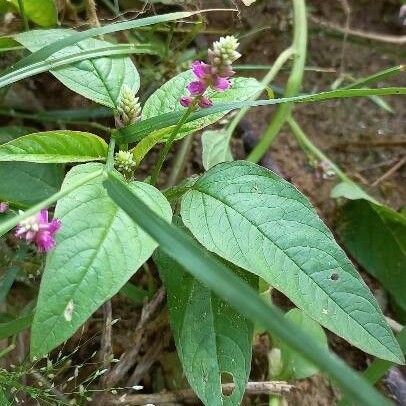
Known as "False Amaranth" or "Kundru," Digera muricata is a hardy annual that often finds its way into gardens uninvited. While many modern gardeners view it as a simple weed, it has a rich history across Asia and Africa as a resilient "wild spinach." It is a plant that thrives where others struggle, painting dusty roadsides and field margins with its delicate, blush-colored flower spikes.
🔍 How to Identify
- 🌸 Flower Spikes: Look for slender, elongated clusters of tiny, petal-less flowers. They typically transition from a pale, translucent green to a soft, rosy pink at the tips.
- 🍃 The Leaves: The leaves are arranged alternately along the stem and are generally ovate or lance-shaped. They have a smooth texture and sometimes feature slightly wavy margins.
- 🌿 Growth Habit: Depending on the space available, it can grow strictly upright or sprawl across the ground. The stems are smooth, somewhat fleshy, and often develop a reddish or purplish tint as the plant matures.
🏡 In Your Garden
- ☀️ A Sun-Loving Opportunist: This plant is a pioneer species that loves disturbed soil and intense sunlight. If you find it in your garden, it’s a sign that your soil is likely fertile but perhaps a bit overworked.
- 🌱 Companion or Competitor: While it can compete with your vegetables for nutrients, it is also a popular forage plant. In many regions, it isn't pulled out but rather "harvested" as a free, nutritious leafy green that grows without any maintenance.
⚠️ Safety & Toxicity
- 🥗 Edible Assessment: The young leaves and shoots are widely consumed as a potherb (cooked like spinach). However, wild foraging in urban areas is risky due to potential runoff from pesticides or heavy metals in the soil.
- 🐶 Pet & Kid Safety: Like its cousins in the Amaranth family, this plant contains calcium oxalates. While not "deadly," eating large amounts of raw leaves can lead to kidney irritation or stomach upset in pets and small children. Always cook the leaves to neutralize these compounds if consuming.
✨ Fun Fact
In various folk traditions, Digera muricata is nicknamed the "herb of the desert" because of its incredible ability to stay vibrant and green even during peak summer heat when most other wild greens have withered away.

Detailed Care Instructions
To grow a Digera Muricata plant, also known as the False Amaranth or Green Amaranth, you can follow these steps:
- Obtain seeds or seedlings: You can get seeds or seedlings of Digera Muricata from local plant nurseries, online sellers, or from friends who have the plant.
- Choose a suitable location: Digera Muricata prefers full sun and well-drained soil. Find a spot in your garden that receives at least 6 hours of direct sunlight each day.
- Prepare the soil: Digera Muricata can adapt to various soil types but prefers loamy soil with good drainage. Add organic matter such as compost to improve the soil's fertility and drainage.
- Sow the seeds or plant the seedlings: Dig a small hole in the soil and place either the seeds or seedlings in the hole. If using seeds, cover them with a thin layer of soil and keep them moist until they germinate. If using seedlings, make sure to plant them at the same depth they were growing in their nursery pots.
- Water regularly: Keep the soil consistently moist, but not waterlogged. Water the plant whenever the top inch (2.5 cm) of soil feels dry. Avoid overwatering, as it can lead to root rot.
- Control weeds: Remove any weeds that compete with the Digera Muricata plant for nutrients and water. Regular weeding will help the plant grow more effectively.
- Provide support (optional): If you want to enhance the plant's growth and prevent sprawling, you can provide support like a trellis or stakes. This will allow the plant to climb and keep the stems more upright.
- Fertilize if necessary: Digera Muricata generally doesn't require heavy fertilization, but you can apply a balanced fertilizer once or twice during the growing season to promote healthy growth. Follow the instructions on the fertilizer package for the correct dosage.
- Prune if needed: If the plant becomes too bushy or overgrown, you can prune it to maintain a more compact shape. Regularly remove any dead or damaged leaves to keep the plant healthy.
- Harvest and enjoy: Depending on the variety, you can start harvesting the young leaves and tender shoots of Digera Muricata around 6-8 weeks after planting. Harvesting frequently will encourage the plant to produce more leaves.
Remember to research specific care instructions for the variety of Digera Muricata you are growing, as some may have specific requirements.
- Location: Determine the plant's location and make sure it is suitable for its growth. An ideal location receives sufficient sunlight and is well-draining.
- Soil quality: The soil quality should be suitable for the plant's growth and nutrient requirement. It should be well-draining and hold moisture for an extended period.
- Watering frequency: Water the plant regularly, but do not overwater it. This can lead to root rot and cause damage to the plant. The frequency of watering depends on various factors such as weather conditions, soil moisture, and the plant's growth stage.
- Watering Method: Water the plant at the base, avoiding the leaves and stem, to prevent fungal diseases. Use a watering can or a hose with a nozzle to control the water flow.
- Moisture levels: Check the soil moisture levels regularly by sticking your finger into the soil or using a moisture meter. It should feel moist but not waterlogged. If the soil feels dry, water the plant accordingly.
- Drainage: Ensure that the soil has adequate drainage to prevent standing water. Waterlogging can lead to root rot and other fungal diseases.
- Temperature: Monitor the temperature and humidity levels, as excessive heat or dry conditions can lead to the plant drying out quickly. Provide additional water during hot and dry weather conditions.
- Water Quality: Use clean, fresh water that is free from any chemicals or toxins that can harm the plant. If the water in your area is hard or contains chlorine, consider using filtered, distilled, or rainwater instead.
To fertilize this plant, make sure to use a balanced fertilizer with equal amounts of nitrogen, phosphorus, and potassium. Apply the fertilizer according to the instructions on the package, taking care not to over-fertilize. Water the plant well after fertilizing to help the nutrients penetrate the soil. Repeat every 4-6 weeks during the growing season.
To grow the plant referred to as Digera Muricata, it is important to use well-draining soil that is rich in organic matter. The ideal soil for this plant should be loamy in texture, meaning it is a balanced mixture of sand, silt, and clay. It is also important that the soil has a pH level between 6.0 and 7.5.
The plant should be grown in a location that receives plenty of sunlight and has good air circulation. Adequate watering is essential, but the soil should not be overwatered as it can lead to root rot and fungal diseases. A regular fertilization schedule should be followed to encourage healthy growth of the plant.
The use of mulch is also recommended to help retain moisture in the soil during periods of drought. As with any plant, it is important to monitor for pests and diseases, and address them promptly if detected.
To propagate this plant, you will need to take cuttings from the parent plant. The ideal time to take these cuttings is in the spring or early summer, when the plant is actively growing.
Using a clean and sharp pair of garden shears, cut a stem that is about 4-6 inches long. Make the cut at a 45-degree angle just below a leaf node. Remove any leaves from the lower third of the stem and dip the bottom of it in rooting hormone powder.
Prepare a pot with well-draining soil and make a hole in the center. Insert the stem cutting into the soil and gently press the soil around it to hold it upright. Water the cutting well and cover it with a clear plastic bag.
Place the pot in a bright but indirect area and keep the soil moist. Check on the cutting regularly and remove any dead leaves or mold that may appear. After a few weeks, you should start to see new growth on the cutting, which indicates that it has successfully rooted.
Once the cutting has rooted, you can transplant it into a larger pot or into the garden if weather conditions are suitable. Digera Muricata plants prefer well-draining soil and full sun to partial shade. Water the plant regularly and fertilize it with a balanced fertilizer twice a year.








