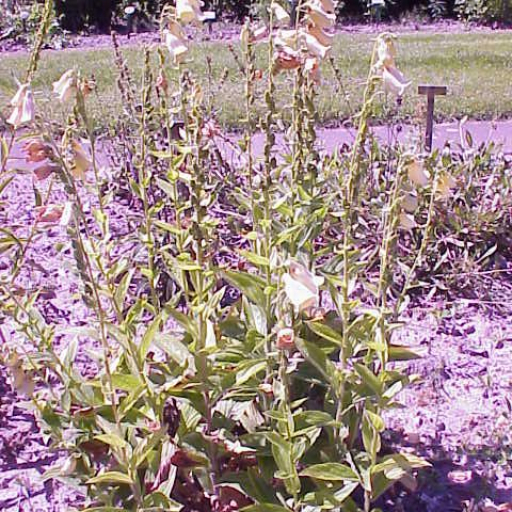
Plant Overview
Often called the Ciliate Foxglove, Digitalis ciliata is the refined, sophisticated cousin of the common garden foxglove. Hailing from the rugged landscapes of the Caucasus and the Balkans, it trades flashy neon purples for elegant cream tones and delicate, fuzzy textures. While it looks like a soft, whimsical addition to a woodland scene, it carries the same potent and "wicked" reputation as the rest of its famous family.
🔍 How to Identify
- 🔔 Creamy Bells: Produces dainty, bell-shaped flowers that are typically a soft yellowish-white or ivory, often featuring subtle internal veining.
- 👁️ The "Eyelashes": Its most defining trait is the "ciliate" margins—tiny, fine hairs that line the edges of the leaves and flower bracts, giving them a fringed appearance.
- 🌿 Lance-Shaped Foliage: The leaves are narrow, dark green, and arranged in a basal rosette during the first year, with a slender flower spike rising in the second or third year.
🏡 In Your Garden
- ⛰️ Mountain Heritage: Because it originates from rocky, mountainous regions, this foxglove prefers much better drainage than the common Digitalis purpurea. It is less likely to rot in winter if tucked into a rock garden or a well-drained slope.
- ⛅ Dappled Light: It thrives in "edge of the woods" conditions. While it loves bright light, it appreciates a break from the harsh afternoon sun, which can scorch its delicate, hairy leaves.
⚠️ Safety & Toxicity
- 🚫 Dangerously Toxic: Like all members of the Digitalis genus, this plant is highly poisonous. It contains cardiac glycosides that can be fatal if even small amounts are ingested.
- 🐾 Keep Distance: Ensure this plant is positioned away from areas where pets or children play. Always wear gloves when handling or pruning it, as the toxins can sometimes cause skin irritation for sensitive individuals.
✨ Fun Fact
The name "ciliata" comes from the Latin word cilium, meaning "eyelash." If you look closely at the leaf edges under a magnifying glass, they look exactly like a row of tiny, silver eyelashes designed to trap morning dew!

Detailed Care Instructions
To grow Digitalis ciliata (also known as Fuzzy Foxglove), you can follow these steps:
- Choose the right location: Fuzzy Foxglove prefers partial shade or filtered sunlight. It thrives in moist, well-drained soil. Ensure that the location you choose provides these conditions.
- Prepare the soil: Loosen the soil in the selected planting area using a garden fork or tiller. Incorporate organic matter like compost or well-rotted manure to improve drainage and fertility.
- Sow the seeds: If you have collected or obtained Digitalis ciliata seeds, sow them directly in the prepared soil in early spring or fall. Scatter the seeds evenly, but avoid planting them too close together. Lightly rake the soil after sowing, allowing the seeds to be covered with a thin layer of soil.
- Watering: Keep the soil consistently moist but not waterlogged. Regular watering is necessary, especially during dry spells.
- Mulching: Apply a layer of organic mulch, such as wood chips or straw, around the base of the plants to retain moisture, control weeds, and maintain a cool soil temperature.
- Thinning: Once the seedlings have grown to a few inches tall, thin them out, leaving several inches of space between each plant. This will allow each plant to receive adequate sunlight, air circulation, and resources for healthy growth.
- Maintenance: Regularly check for pests like snails or slugs, and take appropriate measures to control them. Remove any spent flowers or damaged foliage to encourage new growth. Fertilize the plants once or twice during the growing season with a balanced, slow-release fertilizer.
- Support: As the Digitalis ciliata plants grow taller, they may require support to prevent them from bending or falling over. Use bamboo stakes or a trellis system to provide necessary support.
- Enjoy the blooms: Fuzzy Foxglove typically blooms in early to mid-summer. The flowers are fuzzy and tubular, usually in shades of yellow, cream, or white. Enjoy the beautiful flowers and the pollinators they attract.
Remember that Digitalis ciliata is a biennial plant, meaning it will grow foliage in the first year, develop flowers in the second year, and then complete its life cycle. Some plants may also reseed themselves to continue the growth cycle in subsequent years.

Place in a bright room that is sun drenched almost all day. Or directly in a south-facing window.

Watering Digitalis Ciliata is simple and straightforward. The plant prefers to be watered deeply but infrequently, allowing the soil to dry out slightly before the next watering. Overwatering can lead to root rot or other fungal diseases, so it's important to ensure that the soil is well-draining. When watering the plant, it's best to water at the base of the plant rather than overhead to avoid getting water on the leaves, which can cause damage or disease. It's also important to avoid getting water on the flowers to prevent them from becoming waterlogged and drooping. Regular watering is essential during the growing season, but less frequent watering is required during the dormancy period.
To fertilize this plant, use a balanced fertilizer during the growing season. Make sure to follow the instructions on the packaging for the correct application rate. It is also important to ensure that the plant is well-watered before and after fertilizing to prevent root burn. Apply the fertilizer evenly around the base of the plant, avoiding direct contact with the leaves.
The Digitalis Ciliata plant requires a well-draining soil that is rich in nutrients. It prefers a slightly acidic to neutral soil pH level of around 6.0 to 7.0. A loamy or sandy soil with good drainage is recommended, as the plant does not tolerate standing water. It is important to ensure that the soil is not compacted and allows for oxygen to reach the roots. Adding organic matter to the soil, such as compost or aged manure, can improve soil fertility and structure. The plant also benefits from mulching around the base to retain moisture and suppress weeds.
To propagate this particular plant, take a cutting of new growth from the parent plant in the spring or early summer. Use clean, sharp scissors or shears to make the cut, ensuring that it is at least 3-4 inches long and has several sets of leaves.
Remove the bottom set of leaves, leaving only one or two at the top. Dip the cut end of the cutting in rooting hormone powder, if desired, and plant it in a well-draining potting mix or soil mixture.
Water the cutting well and place it in a bright, indirect location. Keep the soil consistently moist but not waterlogged, and mist the leaves regularly to provide extra humidity.
Over the course of a few weeks, the cutting should begin to develop roots and new top growth. Once it has established a strong root system, it can be transplanted into a larger pot or directly into the garden.








