Plant Overview
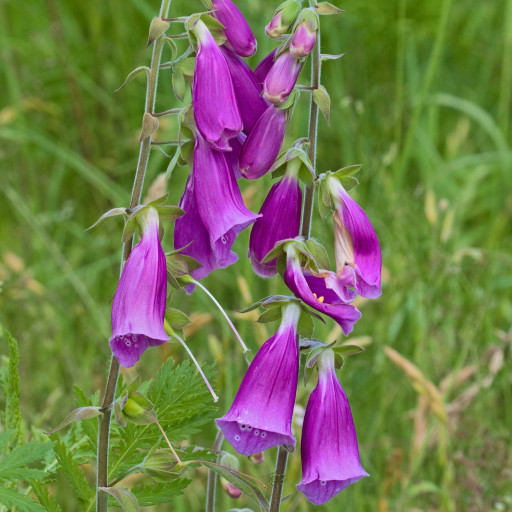
Standing tall as a woodland sentinel, Digitalis purpurea—famously known as the Foxglove—is the ultimate cottage garden icon. Steeped in folklore, these "Fairy Thimbles" have long been associated with magic and mystery, with legends suggesting that foxes wore the bell-shaped blooms on their paws to silence their movements while hunting. While visually stunning, this plant commands deep respect for its potent medicinal and toxic properties.
🔍 How to Identify
- 🌸 The Blooms: Large, tubular, bell-shaped flowers that hang downward from a central stalk. They typically appear in shades of purple, pink, or white, featuring distinct dark "leopard" spots surrounded by white rings inside the throat.
- 🍃 The Foliage: In its first year, it forms a low-growing rosette of soft, hairy, oval-shaped leaves with a wrinkled, felt-like texture.
- 📏 The Stature: During its second year, it sends up a dramatic, unbranched flower spike that can reach heights of 3 to 6 feet, creating a vertical exclamation point in any landscape.
🏡 In Your Garden
- 🌱 The Biennial Rhythm: Foxgloves are biennials, meaning they have a two-year life cycle. They spend the first year growing leaves and the second year blooming and setting seed. To have flowers every year, you should plant new seedlings two years in a row.
- ⛅ Woodland Edge Preferece: Naturally a woodland plant, it thrives in dappled shade and moist, acidic, well-draining soil. It is particularly sensitive to "wet feet" in the winter, which can cause the crown to rot.
- 🌬️ Naturalizer: If you don't "deadhead" (cut off) the spent flower spikes, the plant will scatter thousands of tiny seeds. This makes it excellent for wilder garden areas where it can self-sustain for decades.
⚠️ Safety & Toxicity
- 🚫 High Toxicity: Warning. Every single part of the Foxglove—from the seeds to the petals—is highly toxic if ingested. It contains cardiac glycosides that directly affect the heart.
- 🐾 Pets & Kids: This plant should not be grown in areas accessible to curious toddlers or pets who chew on greenery. Ingestion can cause severe nausea, vomiting, and dangerous heart arrhythmias. Even the water in a vase containing cut Foxgloves becomes toxic.
✨ Fun Fact
❤️ The Heart of the Matter: Despite its danger, the plant is a medical hero. In 1785, physician William Withering discovered that it could treat "dropsy" (heart failure). Today, the drug Digitalin, derived from this plant, is still used in modern medicine to regulate heart rhythms.

Detailed Care Instructions
| Color | Pink, Purple, Red, White, And Yellow |
| Soil Ph | 4.5 To 8.3 |
| Humidity | Normal |
| Lighting | Full Sun |
| Toxicity | Poisonous |
| Soil Type | Well-Draining, Loamy Soil |
| Bloom Time | Early Summer Months (Late Spring In Warm Zones) |
| Difficulty | Medium |
| Plant Type | Biennials |
| Hibernation | Cold Period |
| Mature Size | 2 To 5 Feet Tall, 1 To 2 Feet Wide |
| Native Area | Europe And Northwest Africa |
| Temperature | 10°C - 30°C |
| Sun Exposure | Full Sun, Partial Sun, Or Partial Shade |
| Hardiness Zones | 4 Through 10 |
To grow Digitalis Purpurea (commonly known as Foxglove), follow these steps:
- Start with seeds: Purchase Digitalis Purpurea seeds from a trusted supplier or collect them from a mature plant. The seeds are tiny and black.
- Preparing the soil: Choose a location with partial shade to full sun. The soil should be well-draining, rich in organic matter, and slightly acidic. Loosen the soil and remove any weeds or rocks.
- Sowing seeds: Sprinkle the seeds on the soil surface and lightly press them in, as they need light to germinate. It's best to sow the seeds in late summer or early fall for spring blooms. Alternatively, you can start them indoors 6-8 weeks before the last frost date.
- Watering and care: Keep the soil consistently moist but not waterlogged. Water the plants regularly, especially during dry periods. Mulching around the plants can help retain moisture and suppress weeds. Remove any weeds that compete for nutrients.
- Thin out seedlings: When the seedlings are 2-3 inches tall, thin them out to allow proper spacing. Space them around 12-18 inches apart to promote good air circulation and reduce the risk of diseases.
- Stake the plants: Foxglove plants can grow tall and may need support. Stake them or use plant supports to prevent bending or breaking of stems, especially during heavy winds or rain.
- Fertilization: Digitalis Purpurea doesn't require heavy fertilization. However, you can apply a balanced, slow-release fertilizer in early spring to promote healthy growth. Follow the package instructions for best results.
- Protect from pests and diseases: Watch out for snails, slugs, and aphids, which can damage the plants. Apply organic pest control methods or use appropriate insecticides sparingly.
- Deadheading: Regularly remove spent blossoms to encourage continuous flowering. This will also prevent reseeding and promote energy towards new growth.
- Overwintering: Foxgloves are biennial plants that typically bloom in their second year. After the blooming season, allow some flowers to produce seeds for self-seeding. In colder climates, provide mulch or cover the plants during winters to protect the roots.
Remember, Digitalis Purpurea is a poisonous plant. Exercise caution when handling it and keep it away from young children and pets.

Place in a window with dappled sun or a spot in the middle of a room. Or directly in a window facing west or east.
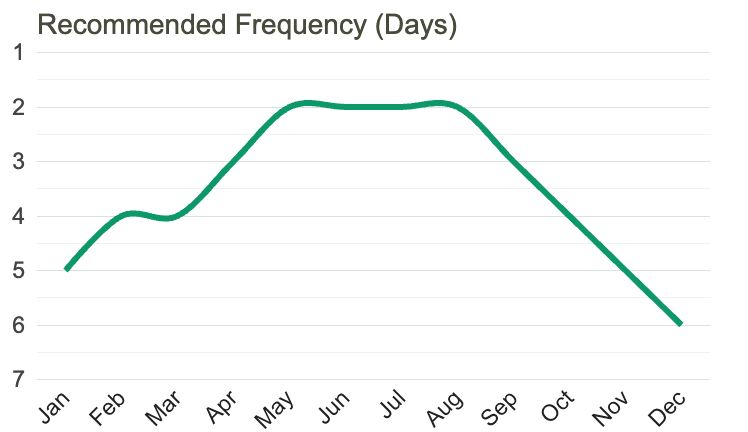
To water this plant, you should first check the soil moisture level by feeling the top layer of soil with your finger. If it feels dry to the touch, it is time to water. Use a watering can or hose with a gentle stream to water the root zone of the plant, taking care not to splash water onto the leaves. Water until the soil is evenly moist but not waterlogged. Allow the soil to dry slightly between watering to prevent root rot or other issues. It is important to provide adequate drainage to prevent waterlogging.
- Choose a complete fertilizer that is high in phosphorus and potassium.
- Apply the fertilizer to the soil around the plant in early spring, before new growth appears.
- Use a balanced slow-release fertilizer that will release nutrients over time.
- Apply the fertilizer around the drip line of the plant, avoiding contact with the leaves.
- Water the plant immediately after fertilizing to help the nutrients move into the soil.
- Avoid over-fertilizing the plant, as this can lead to burning of the leaves and damage to the root system.
- Monitor the plant for signs of nutrient deficiencies, such as yellowing leaves. If necessary, apply a foliar fertilizer directly to the leaves.
The ideal soil for the aforementioned plant should be well-draining and acidic with a pH level ranging from 5.5 to 7.0. It prefers a rich and fertile soil that is moderately moist but not waterlogged. Additionally, it will benefit from the incorporation of organic matter such as compost or leaf mold into the soil. The plant also thrives in soil that is slightly sandy or loamy and can tolerate clay soils if they are well-drained. It is important to avoid using heavy soils that hold too much water, as this could lead to root rot or other diseases.
Digitalis Purpurea can be propagated by collecting seeds from the plant after it has finished flowering. The seeds should be sown in a prepared soil mix in the fall or early spring. The soil should be kept moist and the seedlings should be kept in a cool, shady location until they have developed a strong root system. Once the plants have reached a suitable size, they can be planted in their permanent location. It is important to note that while Digitalis Purpurea is a beautiful plant, it is also toxic if consumed, so care should be taken in the handling and placement of the plant.
Common pests of the foxglove include Aphids. Make a habit of checking your foxglove frequently for pests so that any infestations can be caught and managed early.








