Plant Overview
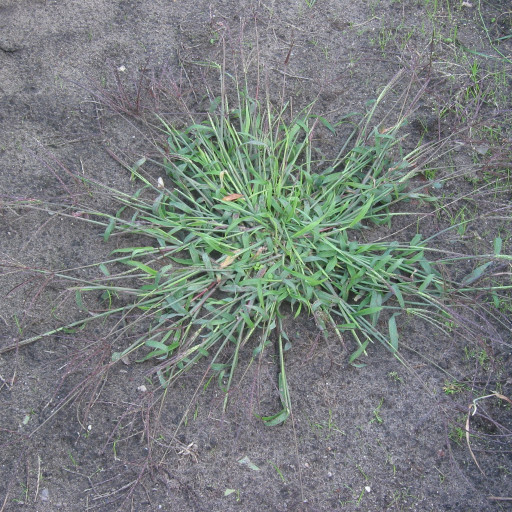
Often called the "Lawn Lurker" or simply Hairy Crabgrass, this opportunistic traveler from Eurasia has made itself at home in gardens and cracks in the sidewalk worldwide. While most modern gardeners view it as an arch-nemesis, it has a hidden history as a nutritious forage crop and was even once cultivated as a grain. Its resilience comes from a clever "low-profile" strategy, allowing it to sprawl wide and avoid the sting of lawnmower blades.
🔍 How to Identify
- 🖐️ Finger-like Spikes: The seed heads branch out from the top of the stem in a cluster that looks like the fingers of a hand, which is how it earned its botanical name Digitaria.
- 🦀 Crab-like Stance: The stems grow horizontally along the ground before turning upward at the ends, mimicking the sprawling legs of a crab.
- 🪶 Hairy Sheaths: Unlike its "smooth" cousins, this variety is covered in fine, visible hairs along the leaf blades and the sheaths that wrap around the stem.
🏡 In Your Garden
- 🌱 The Sun Seeker: This plant is a "pioneer species," meaning it specifically looks for bare, disturbed soil with plenty of sunlight. It rarely survives in thick, shady turf where the soil is kept cool.
- ✂️ Adaptive Growth: Because it hugs the earth so closely, it can produce seeds even when the grass is kept very short. It essentially "ducks" under the mower to ensure the next generation survives.
- 💦 Thirst Resistance: While your desired lawn might go dormant and turn brown during a mid-summer drought, Crabgrass stays vibrant green, using a deep taproot to find moisture hidden far below the surface.
⚠️ Safety & Toxicity
- ✅ Non-Toxic: Digitaria sanguinalis is generally considered safe and non-toxic for humans, dogs, and cats. It is not known to cause skin irritation upon contact.
- 🐄 Nitrate Warning: In agricultural settings, if the plant is grown in soil that has been heavily over-fertilized, it can occasionally accumulate nitrates. This is only a concern for livestock (like cattle) consuming it in very large quantities.
✨ Fun Fact
A single, healthy Crabgrass plant is a seed-making machine, capable of producing up to 150,000 seeds in a single season. Even more impressive? Those seeds can sit patiently in your soil for over 30 years, waiting for a tiny bit of light to hit them before they finally decide to sprout!

Detailed Care Instructions
| Humidity | Dry |
| Lighting | Part Sun |
| Toxicity | Poisonous |
| Difficulty | Easy |
| Hibernation | Cold Period |
| Hardiness Zones | 6 - 9 |
To grow Digitaria Sanguinalis, also known as hairy crabgrass or large crabgrass, you can follow these steps:
- Choose a suitable location: Digitaria Sanguinalis thrives in full sun and well-draining soil. Pick an area in your garden that receives at least 6-8 hours of direct sunlight per day.
- Prepare the soil: Till the soil or loosen it using a garden fork to a depth of about 6-8 inches. Remove any rocks, roots, or weeds from the area.
- Sow the seeds: Broadcast the Digitaria Sanguinalis seeds evenly over the prepared soil. Make sure to scatter them well, as they have a tendency to clump together. Lightly rake the seeds into the top 1/4 inch of soil, ensuring good seed-to-soil contact.
- Water the seeds: Water the area immediately after sowing the seeds, keeping the soil moist but not waterlogged. Water regularly, providing approximately 1 inch of water per week until the seeds germinate.
- Maintain moisture: Crabgrass seeds need consistent moisture to germinate, so it is important to keep the soil evenly moist during the germination period. Water the area whenever the top inch of soil feels dry.
- Control weeds: While it may seem counterintuitive, keep the area around the Digitaria Sanguinalis seedlings weed-free until they are established. This allows the crabgrass to establish a strong root system before competition from other weeds.
- Fertilize: Apply a balanced, slow-release fertilizer to the soil around the crabgrass plants when they have developed their second set of leaves. Follow the instructions on the fertilizer packaging for the appropriate application rate.
- Regular mowing: Once the Digitaria Sanguinalis plants reach a height of 3-4 inches, you can start mowing regularly to encourage dense growth and prevent the plant from flowering and setting seeds. Set the mower to a high setting to avoid removing too much foliage at once.
- Avoid herbicides: Since crabgrass usually grows in lawns where unwanted, it is important to avoid using general herbicides that can kill the entire lawn. Instead, focus on prevention, proper mowing, and maintaining a healthy lawn.
- Monitor and control: Regularly monitor your Digitaria Sanguinalis plants for signs of pests or diseases. If any issues arise, consult with your local gardening center for the appropriate treatment or organic remedies.
By following these steps, you should be able to successfully grow Digitaria Sanguinalis in your garden.

Place in a bright room that is sun drenched almost all day. Or directly in a south-facing window.
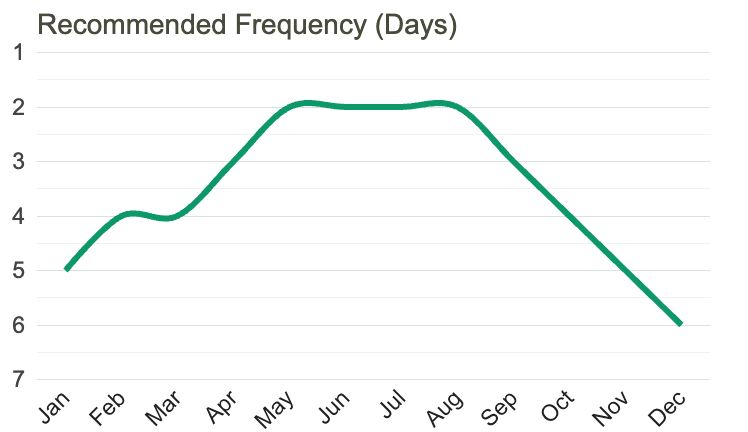
To properly water this plant, you should consider the soil type and the environment it's growing in. This plant prefers well-draining soil that retains moisture but isn't waterlogged. Water the plant deeply once a week during the growing season, and ensure that the soil is moist at least 6 inches deep. In the winter, reduce watering but make sure the plant doesn't completely dry out. It's best to water in the early morning or late evening to prevent the sun from drying out the soil too quickly and to avoid leaf burn. Avoid getting water on the leaves, as this can promote fungal growth and disease.
To effectively fertilize this plant, it is recommended to apply a balanced fertilizer with equal amounts of nitrogen, phosphorus, and potassium. It is important to avoid over-fertilization, as this can lead to excessive growth that may weaken the plant's overall structure. For best results, fertilize the plant during its active growing season, typically from spring through summer, and avoid fertilizing during periods of drought or extreme weather conditions. It is also recommended to follow manufacturer instructions when applying the fertilizer to ensure proper dosage and application.
When planting [plant], it is important to choose a soil that is loose and well-draining. [Plant] prefers a soil that is moderately fertile and slightly acidic, with a pH range between 6.5 and 7.5. It is recommended to amend the soil with organic matter, such as compost or aged manure, to improve its fertility and texture. It is also important to ensure that the soil has good drainage, as [plant] does not tolerate waterlogged conditions. When watering, it is best to water deeply and infrequently, allowing the soil to dry out slightly between watering. Additionally, it is recommended to mulch around [plant] to help conserve moisture and suppress weeds.
Digitaria Sanguinalis is a plant that can be propagated through a number of means. One of the most common methods of propagation is through the use of seeds. To propagate Digitaria Sanguinalis from seeds, you should start by collecting the seeds from a mature plant. Once you have collected the seeds, you can plant them directly into the soil or start them in a seed tray indoors. If starting indoors, make sure the tray is filled with a moist soil-free mix and that the seeds are covered lightly with more soil or sand.
Another way to propagate Digitaria Sanguinalis is through vegetative propagation. This can be done in the early spring or mid-summer. To do this, you will need to dig up a clump of the plant and divide the roots and plants into small sections. These sections can then be planted directly into the soil.
Finally, you can propagate Digitaria Sanguinalis through stem cuttings. To do this, take a stem cutting that is around 4 inches long and plant it in a pot filled with moist soil-free mix. Make sure the cutting is planted deep enough that the bottom node is buried in the soil. Keep the plant moist and in an area with bright, indirect light. The cutting should root in two to four weeks.








