Plant Overview
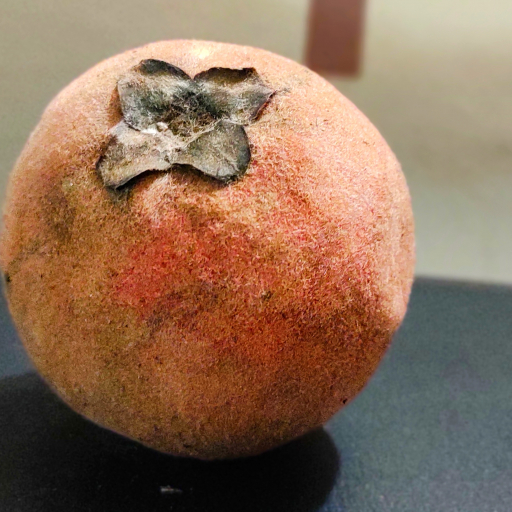
Often called the Velvet Apple or Mabolo, this tropical evergreen is famous for its fuzzy, reddish-maroon fruit that smells remarkably like a pungent fine cheese. Native to the Philippines, it belongs to the ebony family and is cherished as much for its exotic, creamy flavor as its stunning, near-black timber. In its homeland, it is often seen as a symbol of resilience and timeless beauty.
🔍 How to Identify
- 🍎 Velvety Skin: The fruit is covered in a dense, fine fuzz (trichomes) that gives it a soft, peach-like texture but a deep reddish-maroon or brownish color.
- 🍃 Two-Toned Leaves: The foliage is oblong and leathery; the top is a glossy dark green, while the underside features a surprising silvery-white coating that shimmers in the wind.
- 🌸 Waxy Blooms: It produces small, creamy-white or pinkish flowers that are often hidden beneath the dense canopy, emitting a delicate fragrance quite different from the fruit.
🏡 In Your Garden
- 🌳 The Kamagong Legacy: If you are planting this for its wood, be prepared for a lifelong commitment. Known as "Kamagong" or "Philippine Ebony," the wood is legendary for being incredibly hard, heavy, and naturally dark.
- 💧 Tropical Requirements: This tree is a child of the rainforest. It thrives in high humidity and deep, well-draining soil. It has a very low tolerance for frost, making it best suited for tropical climates or large, heated conservatories.
- 🧺 The Ripening Ritual: When the fruit ripens, it emits a scent often compared to Camembert cheese. Do not let the smell fool you—once the fuzzy skin is peeled away, the white flesh inside is sweet, mealy, and tastes like a blend of apple and banana.
⚠️ Safety & Toxicity
- ✋ Skin Irritant: The fine hairs on the fruit's skin can cause significant itching or a prickly rash on sensitive skin. It is highly recommended to rub the fuzz off with a cloth or peel the fruit entirely before handling the flesh.
- 🐾 General Safety: The fruit pulp is edible and safe for humans. However, the large, hard seeds should be kept away from small children and pets, as they present a choking hazard and are not meant for consumption.
✨ Fun Fact
The wood of Diospyros blancoi is so dense and heavy that it is one of the few types of wood in the world that does not float—it sinks straight to the bottom of a pool of water!

Detailed Care Instructions
To grow Diospyros blancoi, also known as Philippine ebony, follow these steps:
- Climate: Ensure that you reside in a region where Diospyros blancoi can thrive. It grows well in tropical or subtropical climates, with temperatures ranging from 27-38°C (80-100°F). It requires a minimum annual rainfall of 1,000mm (39 inches).
- Soil: Provide well-draining soil with a pH range of 5.5-6.5. The soil should be rich in organic matter. If your soil is heavy clay, consider adding sand or compost to improve drainage.
- Planting: Choose a suitable location with partial shade. Dig a hole that is two times wider and deeper than the root ball of your plant. Place the seedling in the hole, making sure that the soil level is the same as it was in the container. Backfill the hole and gently firm the soil around the plant.
- Watering: Water the plant regularly to keep the soil evenly moist, especially during the dry season. However, avoid overwatering, as it can cause root rot.
- Mulching: Apply a layer of organic mulch around the plant to help conserve moisture and suppress weed growth. Mulching also provides some nutrients to the plant as it breaks down.
- Fertilizer: Use a balanced slow-release fertilizer during the growing season to promote healthy growth. Consult a local nursery or gardening expert to determine the appropriate fertilizer dosage for your specific plant and soil conditions.
- Pruning: Prune the plant in early spring to remove dead, damaged, or overcrowded branches. Pruning helps maintain the plant's shape and promotes air circulation.
- Pests and Diseases: Monitor the plant for common pests, such as aphids, mealybugs, or scale insects. Treat any infestations promptly using suitable insecticides. Watch for signs of diseases like root rot or leaf spots and take necessary measures, such as improving drainage or applying appropriate fungicides.
- Patience: Diospyros blancoi is a slow-growing tree and may take several years to reach maturity. Be patient and provide it with proper care, and it will reward you with its beautiful foliage and ebony wood.
Note: It's crucial to check with local agricultural extension offices or experts to ensure that you comply with any specific requirements or regulations for growing Diospyros blancoi in your area.

Place in a bright room that is sun drenched almost all day. Or directly in a south-facing window.

Here's how you can water Diospyros Blancoi plants:
1. Assess the soil: Before watering, check the moisture level of the soil. Use your finger to gently probe the soil near the plant's roots, about 2-3 inches deep. If it feels dry at this depth, it's time to water.
2. Watering method: When watering Diospyros Blancoi plants, it's important to apply water directly to the base of the plant. Avoid overhead watering or spraying as this can lead to fungal diseases. Instead, use a watering can or a gentle hose attachment, ensuring that the water reaches the root zone without causing excess run-off.
3. Watering frequency: The frequency of watering depends on various factors like weather conditions, pot size, and soil drainage. In general, as the plant establishes, water it deeply once every 7-10 days during hot and dry periods. It's crucial to allow the soil to partially dry out between waterings to prevent overwatering.
4. Watering amount: Aim to provide enough water to moisten the entire root zone. Slowly pour water onto the soil until you see it running out through the drainage holes of the pot or until the surrounding ground is sufficiently soaked. This ensures that the water reaches the deeper roots where it is needed most.
5. Mulching: Consider adding a layer of organic mulch around the base of the plant, like bark chips or straw. Mulching helps retain soil moisture, reducing water evaporation and minimizing weed growth. However, ensure that the mulch is not piled up against the plant's stem, as this can cause rotting.
6. Monitoring plant health: Regularly monitor the health of your Diospyros Blancoi plant to ensure proper watering. If the leaves start to wilt or turn yellow, it may indicate underwatering. On the other hand, if the leaves appear waterlogged, it might be a sign of overwatering. Adjust your watering routine accordingly to maintain optimal plant health.
Remember, the watering needs of Diospyros Blancoi plants may vary based on environmental conditions, so it's essential to observe your specific plant and make adjustments as necessary.
To fertilize Diospyros Blancoi plant, use a balanced granular fertilizer with an N-P-K (nitrogen-phosphorous-potassium) ratio of 10-10-10 or 14-14-14. Follow these instructions:
- Before applying fertilizer, water the plant thoroughly to moisten the soil.
- Sprinkle the granular fertilizer evenly around the base of the plant, avoiding direct contact with the stem.
- Use approximately 1/4 to 1/2 cup of fertilizer for young plants and increase the amount as the plant grows.
- Gently work the fertilizer into the top inch of soil using a hand rake or cultivator.
- Water the plant again after applying fertilizer to help it absorb the nutrients.
- Repeat this fertilization process every four to six weeks during the growing season (spring to early fall) for optimal growth.
- In autumn and winter, withhold fertilization to allow the plant to enter a dormant phase.
Note: Always refer to the specific fertilizer manufacturer's instructions and adjust accordingly based on the plant's health and response.
Diospyros blancoi, a tropical evergreen shrub or small tree, prefers a well-draining soil mix that promotes healthy root development and moisture retention. Here are some details about the soil requirements for Diospyros blancoi:
- Texture: The ideal soil for Diospyros blancoi should have a balanced texture, not too heavy nor too loose. It should be composed of larger particles like sand or gravel, along with finer particles like silt and clay. This combination allows for adequate water drainage without completely drying out the soil.
- Organic Matter: Adding organic matter can greatly benefit Diospyros blancoi. Compost, well-rotted manure, or peat moss can be mixed into the soil to enhance its structure, increase water retention, and provide essential nutrients to the plant.
- pH Level: Diospyros blancoi usually thrives in slightly acidic to neutral soil with a pH range of 6.0 to 7.0. It is essential to monitor the soil pH periodically to ensure it remains within an optimal range. If the soil is too acidic or alkaline, you may need to amend it accordingly.
- Moisture: While Diospyros blancoi prefers well-drained soil, it also requires consistent moisture. The soil should be able to retain moisture without becoming waterlogged. Supplementing the soil with organic matter helps retain moisture while preventing excessive water retention.
- Aeration: Good soil aeration is crucial for Diospyros blancoi's root health. To ensure this, the soil should not be compacted. Regularly loosening the top layer of soil and incorporating organic matter can improve aeration and ensure better nutrient uptake.
- Nutrient Content: The soil should contain an adequate supply of essential nutrients like nitrogen, phosphorus, and potassium. A balanced slow-release fertilizer can be added during planting or incorporated into the soil annually to ensure the plant receives the necessary nutrients for healthy growth.
Remember to regularly check the moisture level of the soil, as it should be kept consistently moist but not overly saturated. Additionally, avoid using excessive amounts of fertilizer, as it can cause chemical burns or other damage to the plant.
Diospyros blancoi is a species of plant that can be propagated through several methods, including seed germination, air layering, and softwood stem cuttings. Here is a detailed explanation of each propagation method:
- Seed germination:
- Collect ripe fruits from a mature Diospyros blancoi plant.
- Extract the seeds and clean them thoroughly by removing any pulp or debris.
- Fill a seed tray or a small pot with a well-draining potting mix.
- Sow the seeds at a depth of approximately half an inch in the potting mix.
- Moisten the potting mix slightly and cover the tray or pot with a clear plastic bag or a propagator lid to create a humid environment.
- Place the tray or pot in a warm location, ideally with a temperature around 70-80°F (21-27°C).
- Ensure the potting mix remains consistently moist but not waterlogged.
- Germination typically occurs within 2-4 weeks, although it may take longer.
- Once the seedlings are large enough to handle, carefully transplant them into individual pots.
- Collect ripe fruits from a mature Diospyros blancoi plant.
- Air layering:
- Select a healthy, mature branch from the parent Diospyros blancoi plant.
- About 12-18 inches below the tip of the branch, make a small, shallow upward cut through the bark, approximately 2 inches long.
- Apply a rooting hormone to the cut area to encourage root formation.
- Take a handful of damp sphagnum moss or moist peat moss and wrap it around the cut section.
- Cover the moss with a sheet of clear plastic and secure it at both ends with twine or rubber bands.
- Ensure the moss remains moist by regularly misting it with water.
- After a few months, check for root formation by gently removing the plastic and moss. If roots have developed, carefully cut below the rooted section and pot it in a well-draining growing medium.
- Select a healthy, mature branch from the parent Diospyros blancoi plant.
- Softwood stem cuttings:
- Take a 6-8 inches long cutting from a healthy and vigorously growing Diospyros blancoi plant.
- Remove any leaves from the lower half of the cutting.
- Dip the cut end of the stem in a rooting hormone.
- Insert the cutting into a pot filled with a well-draining rooting medium, such as a mixture of perlite and peat moss.
- Water the cutting thoroughly and place the pot in a warm, bright location with indirect sunlight.
- Enclose the pot and cutting inside a clear plastic bag or place a plastic dome over the pot to maintain high humidity.
- Mist the cutting regularly to keep the leaves hydrated.
- After a few weeks, gently tug the cutting to check for root formation. If resistance is felt, roots have likely developed.
- Once the roots are established, carefully transplant the cutting into a larger pot or garden bed.
By utilizing these propagation methods, you can successfully propagate Diospyros blancoi and expand your plant collection.
- Take a 6-8 inches long cutting from a healthy and vigorously growing Diospyros blancoi plant.








