Plant Overview
Known famously as the Coromandel Ebony or Tendu, Diospyros melanoxylon is a tree that carries the weight of history and industry on its branches. Indigenous to India and Sri Lanka, it is the primary source of "bidi" leaves used for hand-rolled cigarettes, supporting the livelihoods of millions. Beyond its economic status, it is a source of one of the world’s most precious materials: dark, heavy, and luxurious ebony wood.
🔍 How to Identify
- 🍃 Leathery Foliage: The leaves are thick, oblong, and have a distinctively tough, leathery texture. They are typically dark green on top and paler underneath.
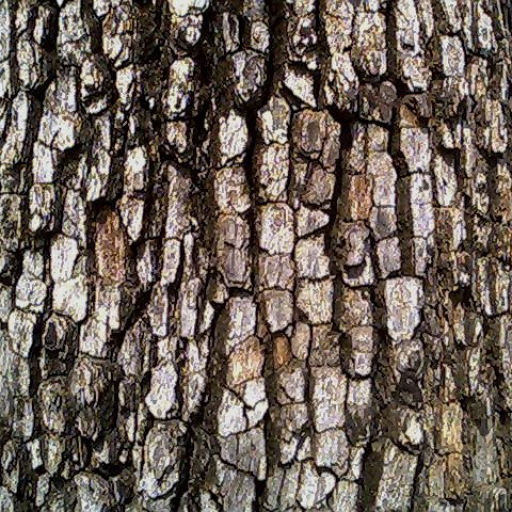
- 🖤 "Alligator" Bark: The trunk is covered in dark grey or black bark that breaks into deep, rectangular scales, resembling the skin of a crocodile.
- 🟡 Velvety Fruit: It produces small, globose berries that are covered in a fine, rusty-colored down when young, turning smooth and yellow when they ripen.
🏡 In Your Garden & Landscape
- 🌳 The Taproot Strategy: This tree is famously difficult to transplant because it sends down a massive taproot very early in its life. If you are planting one, choose its "forever home" carefully, as it hates being moved.
- 🏜️ Drought Warrior: Once established, it is incredibly resilient to heat and drought. It thrives in dry, deciduous environments and actually prefers rocky, poor-quality soil over rich, boggy garden beds.
⚠️ Safety & Toxicity
- ✅ Edible Fruit: The yellow, ripe fruit is technically edible and has a sweet, slightly astringent pulp. However, it is rarely seen in commercial markets outside its native range.
- 🚫 Irritant Potential: While the tree isn't considered "poisonous" to touch, the sawdust from its heartwood can be a respiratory irritant for woodworkers, and the high tannin content in unripe fruit can cause stomach upset if ingested.
✨ Fun Fact
The heartwood of the Coromandel Ebony is so incredibly dense and oil-rich that, unlike most other types of wood, it will actually sink if dropped into a bucket of water!

Detailed Care Instructions








