Plant Overview
Imagine a fruit that looks like a green tomato on the outside but reveals a rich, dark chocolate custard on the inside. Often called the "Chocolate Pudding Fruit," Diospyros nigra is a tropical superstar and a close relative of the common persimmon. Native to the lowlands of Mexico and Central America, this evergreen tree has been a prized delicacy for centuries, legendary for its unique ability to mimic the look and texture of a decadent dessert.
🔍 How to Identify
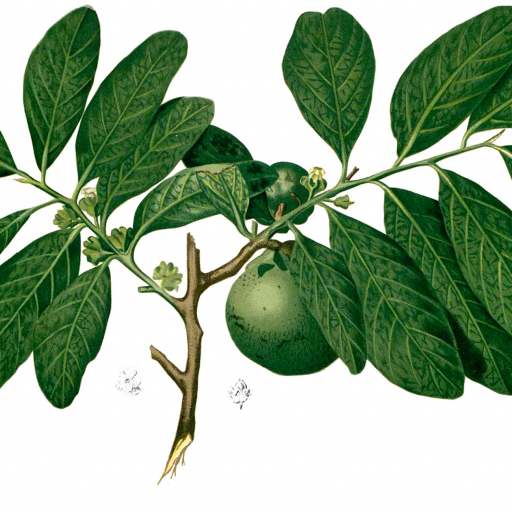
- 🍃 Foliage: It features thick, glossy, elliptic leaves that remain a vibrant dark green throughout the year, providing a lush tropical feel.
- 🟢 The Unripe Fruit: The fruit is smooth-skinned and bright green, looking remarkably like a large, unripened tomato with a distinct, woody "hat" (the calyx) at the stem.
- 🍫 The Ripe Interior: You’ll know it’s ready when the skin turns an olive-drab color and feels soft to the touch; inside, the flesh is a deep, lustrous chocolate-brown with a creamy, spoonable consistency.
🏡 In Your Garden
- ☀️ Sun & Space: This tree is a sun-worshiper that can grow quite large (up to 30 feet or more). It needs a spacious spot with deep soil to accommodate its strong root system.
- ❄️ Cold Sensitivity: Unlike its hardy persimmon cousins, the Black Sapote is strictly tropical. It has very low tolerance for frost, so gardeners in cooler climates should keep it in a large container that can be moved indoors during winter.
- 💧 Thirsty Growth: While it can survive short dry spells once established, it needs consistent watering to produce high-quality fruit. If the soil stays too dry, the tree may drop its fruit prematurely.
⚠️ Safety & Toxicity
- ✅ Status: The ripe fruit is safe, healthy, and highly nutritious, packed with Vitamin C and potassium.
- 🐶 Pets & Kids: While the flesh is safe, the seeds are large, hard, and smooth. They should be discarded as they pose a significant choking hazard and are not meant for consumption.
- 🚫 The Astringency Trap: Never try to eat the fruit while it is still firm. Like many species in the Diospyros genus, the unripe fruit contains high levels of tannins, which will leave your mouth feeling dry, furry, and bitter.
✨ Fun Fact
🍨 Despite its name and dark color, the fruit doesn’t actually taste like chocolate on its own! It has a very mild, honey-like sweetness. However, because its texture is identical to mousse, it is traditionally mixed with orange juice, brandy, or whipped cream to create a "natural" chocolate pudding that is much lower in fat than the real thing.

Detailed Care Instructions
| Soil Ph | Slightly Acidic To Slightly Alkaline (5.5-7.5) |
| Humidity | Normal |
| Lighting | Full Sun |
| Toxicity | Non-Toxic |
| Soil Type | Well-Drained, Fertile |
| Difficulty | Medium |
| Plant Type | Evergreen Fruit Tree |
| Mature Size | 30-40 Feet When Grown Outdoors |
| Native Area | Central America |
| Sun Exposure | Full Sun |
| Hardiness Zones | 10-11 |
To grow Diospyros Nigra, commonly known as black persimmon or black sapote, you can follow these steps:
- Climate and soil requirements: Diospyros Nigra thrives in tropical and subtropical climates. It prefers well-draining soil with good organic content. Ensure that the soil pH is between 6.5 and 7.5.
- Seed selection: Obtain Diospyros Nigra seeds from a reputable source. The seeds should be fresh, viable, and preferably from a mature fruit.
- Seed preparation: Soak the seeds in water for 24 hours before planting. This helps to soften the seed coat and improve germination rates.
- Germination: Plant the soaked seeds in a small pot or seed tray filled with seed-starting mix. Bury the seeds about 1 inch deep. Maintain a consistent temperature of around 75°F (24°C) to encourage germination, which typically takes 2-4 weeks. Keep the soil moist but not waterlogged during this time.
- Transplanting: Once the seedlings have developed strong roots and a few leaves, transplant them into larger containers or directly into the ground. Ensure that the planting location receives full sun or partial shade.
- Watering and fertilizing: Keep the soil consistently moist but not waterlogged. Regularly water the plants, especially during dry spells. Fertilize the plant every 2-3 months using a balanced fertilizer with a higher potassium content.
- Pruning: Prune the black persimmon plant to shape it, remove any dead or damaged branches, and encourage better airflow within the canopy. Pruning should be done during the dormant season.
- Harvesting: Black persimmon fruits usually take around 5-6 months to ripen. They are ready to harvest when they turn from green to dark brown or black and feel slightly soft. Do not pick them while they are still firm. Harvest the fruits by cutting them from the plant using a sharp knife or scissors.
With proper care and suitable growing conditions, Diospyros Nigra plants can grow into healthy trees and produce delicious fruits.

Place in a window with dappled sun or a spot in the middle of a room. Or directly in a window facing west or east.

To properly water this plant, it is important to first understand its specific water requirements. The best way to determine this is to research its natural habitat and growing conditions. Consider factors such as the amount of rainfall it receives, the type of soil it grows in, and the temperature and humidity levels in its native environment.
Once you have a good understanding of the plant's needs, you can develop a watering schedule that works best for it. In general, it is important to avoid overwatering, as this can lead to root rot and other problems. Instead, aim to provide the plant with consistent moisture that allows it to thrive.
One effective method for watering this plant is to use a drip irrigation system. This allows water to slowly and evenly soak into the soil over time, preventing the soil from becoming too saturated or too dry. Alternatively, you can water the plant by hand using a watering can or hose, being sure to water deeply and thoroughly but not too frequently.
It is also important to monitor the plant over time and adjust your watering schedule as needed. Look for signs of under- or over-watering, such as wilting or yellowing leaves, and adjust accordingly. With some attention and care, you can help this plant thrive and grow to its full potential.
To fertilize this plant, apply a balanced fertilizer with an N-P-K ratio of 10-10-10 or 15-15-15 in early spring before new growth appears. Apply fertilizer evenly around the base of the plant and water well. Repeat every 4-6 weeks during the growing season, up to 3-4 applications per year. Be careful not to over-fertilize, as this can damage the plant. It is also recommended to spread a layer of organic compost around the base of the plant annually in spring to improve soil quality and fertility.
Diospyros Nigra prefers well-draining acidic soil with a pH range between 5.5 and 6.5. It is recommended to use a mixture of loam, peat moss, and sand to provide good drainage and moisture retention. The soil should be rich in organic matter and have good aeration. Additionally, it is important to avoid soils with high salinity levels as this could damage the plant. Overall, the soil should be selected based on its ability to provide the necessary nutrients and growing conditions for the plant to thrive.
To propagate this particular species of plant, you will need to first collect ripe fruits from the parent plant. The seeds should then be extracted from the fruits and washed thoroughly. Allow the seeds to dry for a few days before planting them in soil. It is best to use a soil mixture that is well-draining and contains some organic matter.
You can either plant the seeds directly in individual pots or prepare a seedbed to transfer them later. The ideal time for planting is during the late fall or early winter. Keep the soil moist but not waterlogged and place the pots in a warm and bright area but away from direct sunlight.
Germination will take anywhere between 3-12 weeks depending on the conditions. Once the seedlings reach about 4-6 inches in height, they can be transplanted into larger pots or directly into the ground. Be patient as it can take several years for the plant to grow and bear fruit.
Other methods to propagate the plant include layering and grafting. Layering involves bending a branch towards the ground, covering it with soil, and allowing it to root before cutting it from the parent plant. Grafting involves attaching a piece of the desired plant to a rooted stem or rootstock of a related species. Both methods require some knowledge and skill in plant propagation.
Common pests of the black sapote include Scale insect, mealybugs, spider mites, aphids. Make a habit of checking your black sapote frequently for pests so that any infestations can be caught and managed early.








