Plant Overview
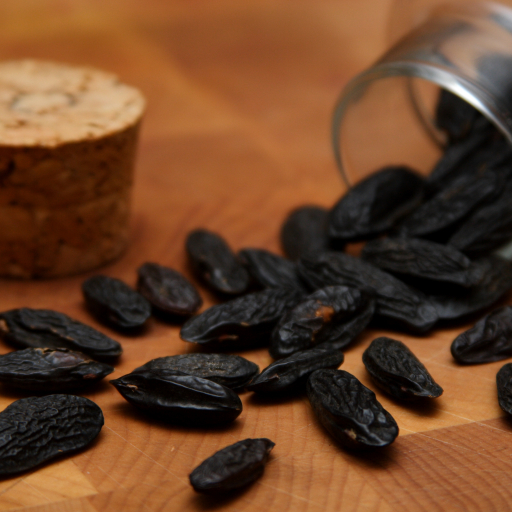
Known globally for its intoxicating fragrance, the Tonka Bean tree is a majestic giant of the Amazon rainforest. Often called "Cumaru" or the "Forbidden Bean," it is prized more for its wrinkled black seeds than its delicate pink flowers. These seeds carry a complex scent that blends notes of vanilla, toasted almond, and spicy cinnamon, making them a legendary ingredient in high-end perfumery and gourmet culinary circles.
🔍 How to Identify
- 🌳 Stately Stature: This is a massive emergent tree that can reach heights of up to 100 feet, featuring a smooth, greyish bark and a wide, umbrella-like canopy.
- 🌿 Glossy Foliage: The leaves are alternate and pinnate, with individual leaflets that are thick, leathery, and dark green, designed to withstand heavy tropical downpours.
- 🫘 The Seed Pod: The fruit is an inconspicuous, fleshy drupe. Inside lies the "bean"—a single, oblong seed about an inch long with a black, deeply wrinkled skin and a surprisingly pale interior.
🏡 In Your Garden
- 🪵 Ironwood Strength: The wood of the Dipteryx odorata is incredibly dense and rot-resistant, often sold under the name "Brazilian Teak." It is so heavy and compact that it will actually sink if placed in water.
- ☁️ Atmospheric Needs: As a true tropical species, it requires high humidity and consistent warmth. It is rarely grown as a typical "houseplant" because it develops a massive taproot that demands deep, unobstructed soil to thrive.
- 🌞 Light Competition: In its natural habitat, it spends its youth reaching for the sky. While it can tolerate partial shade when young, it requires full, intense sun to reach maturity and produce its famous fragrant seeds.
⚠️ Safety & Toxicity
- 🚫 Restricted Edibility: The seeds contain high concentrations of coumarin, a chemical compound that acts as a blood thinner. Because of this, the FDA has banned the use of Tonka beans in commercial food products in the United States.
- 🐾 Pet Safety: The seeds are considered toxic to dogs, cats, and horses. If ingested, the coumarin can lead to liver sensitivity or more serious internal issues, so they should be kept far out of reach of curious pets.
✨ Fun Fact
In many South American traditions, the Tonka bean is considered a "wishing bean." Folklore suggests that if you hold a bean in your hand while whispering your secret desire, then bury it near a tree or throw it into running water, your wish will eventually come true!

Detailed Care Instructions
To grow Dipteryx odorata, also known as tonka bean tree, follow these steps:
- Climate and Location: Tonka bean tree is native to South America and requires a warm tropical climate to grow. It thrives in USDA hardiness zones 10-12. Choose a location with full sun or partial shade, protected from strong winds.
- Soil: Tonka bean trees prefer well-draining, slightly acidic soil with a pH range of 6.0-6.5. Prepare the planting area by loosening the soil and adding organic matter like compost or peat moss to improve drainage.
- Propagation: Tonka bean trees can be grown from seeds. Soak the seeds in warm water for 24 hours to help with germination. You can also lightly scarify or nick the seed coat to encourage faster sprouting. Sow the seeds just below the soil surface and keep them consistently moist.
- Watering: While tonka bean trees like a humid environment, it is essential to avoid waterlogging the soil. Water regularly, keeping the soil moist but not soggy. Provide drainage to prevent root rot.
- Fertilization: Feed the plant with a balanced, slow-release fertilizer during the growing season (spring and summer) to provide essential nutrients. Follow the instructions on the fertilizer packaging for appropriate dosage.
- Pruning: Prune tonka bean trees during the dormant season (winter). Remove any dead, damaged, or crossing branches to maintain a well-shaped plant. This will also enhance air circulation within the canopy.
- Pest and Disease Control: These trees are relatively resistant to pests and diseases. However, keep an eye out for common problems like aphids, spider mites, or scale insects. Treat any infestations with organic pest control methods or insecticidal soap.
- Harvesting: Tonka bean trees produce fruits that contain the highly valued tonka beans. These beans are renowned for their aromatic and flavor-enhancing properties. Harvest the beans when they turn black and rattle inside the fruit. Crack open the fruit, remove the beans, and allow them to dry for a few weeks before use.
Remember to research and comply with any regulations related to the cultivation and trade of tonka beans in your area, as they may be subject to restrictions or bans due to their coumarin content.
To water this plant, ensure that the soil is completely dry before watering. This can be tested by sticking your finger into the soil about an inch deep - if it feels dry, it's time to water. When watering, gently pour water onto the soil until it begins to drain out of the bottom of the pot. Avoid overwatering as this can lead to root rot. Watering frequency will depend on the amount of light and temperature the plant receives, as well as the size of the pot and the type of soil used.
To fertilize this plant, use a slow-release fertilizer formulated for woody plants. Apply the fertilizer monthly during the growing season, following the package instructions for dosage. Be sure to water the plant thoroughly before and after fertilizing to help the nutrients soak in. Avoid over-fertilizing, as this can lead to burning or yellowing of the leaves. Always follow the manufacturer's instructions for proper use and storage of fertilizers.
The ideal soil for this plant should be well-draining and rich in organic matter. It should have a pH level of around 6.0 to 7.5. The soil should be loamy and have excellent water retention capacity. It should be able to hold moisture without becoming waterlogged.
The plant requires good aeration around its roots, which can be facilitated by mixing perlite or coarse sand in the soil. The soil should also be free from any contaminants or pollutants that may harm the plant.
The plant is adapted to grow in tropical areas with high humidity, so the soil should be kept moist but not overly wet. It is also important to avoid overfeeding the plant with nutrients, as it can lead to excessive growth and weakened stems.
Overall, the soil for this plant should be a well-balanced mixture of organic matter, good drainage, water retention capacity, and aeration.
To propagate this plant, obtain ripe seeds and soak them in water for 24 hours. Plant the seeds in well-draining soil and keep them moist. The seeds should germinate within two weeks. Once the plant has grown to a suitable size, it can be propagated further by taking stem cuttings and rooting them in water or a rooting hormone. Cover the cuttings with a plastic bag to maintain humidity and keep them in a warm, bright location. Once the cuttings have rooted, they can be transplanted into soil and grown to maturity. It is important to note that this plant requires a warm, tropical climate and well-draining soil to thrive.








