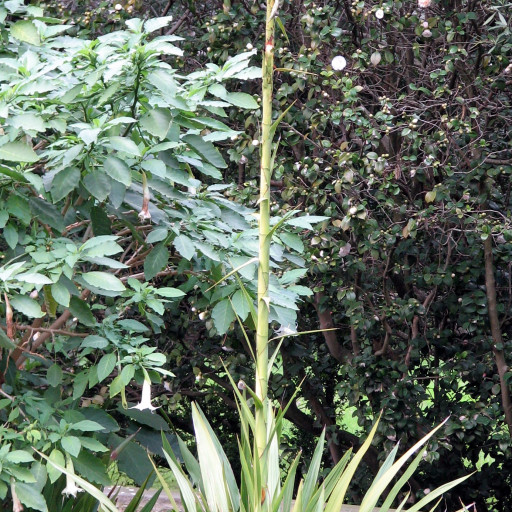
Plant Overview
Known as the Gymea Lily, this Australian giant is one of the most dramatic architectural plants in the world. It looks like something plucked from a prehistoric era, featuring massive clumps of sword-like leaves and towering flower spikes that can reach up to 6 meters (20 feet) high. In its native New South Wales, it is a beloved icon of resilience and bold, structural beauty.
🔍 How to Identify
- 🌿 The Foliage: Bright green, sword-shaped leaves that grow in a massive, dense rosette. Individual leaves can reach over 1.5 meters in length, creating a fountain-like silhouette.
- 🏮 The Blooms: A giant, globe-shaped cluster of deep crimson, trumpet-like flowers sits atop a thick, woody stalk. These "heads" are often the size of a basketball.
- 📏 The Scale: Unlike typical garden lilies, this is a long-lived perennial that requires significant space. It is a true "statement" plant that dominates the landscape.
🏡 In Your Garden
- 🏗️ Deep Taproot: The Gymea Lily develops a massive, powerful taproot that pulls the plant deep into the soil. Because of this, it is notoriously difficult to transplant once established; you should choose its permanent "forever home" with care.
- ⏳ Patience is a Virtue: This plant is a slow burner. It may take upwards of 5 to 7 years to produce its first magnificent flower spike. However, once it reaches maturity, the nectar-rich flowers will attract a parade of honeyeaters and cockatoos to your yard.
- 🔥 Fire Response: In the wild, Doryanthes excelsa is famous for its "fire-stimulated" flowering. While it doesn't need a bushfire to bloom, the presence of smoke and heat often triggers a synchronized, spectacular flowering event in its native habitat.
⚠️ Safety & Toxicity
- ✅ Low Risk: The Gymea Lily is generally considered non-toxic to humans and common household pets.
- 👅 Mild Irritation: Like many plants in its order, it contains some calcium oxalate crystals. While not dangerous, chewing on the fibrous leaves may cause mild mouth irritation or an upset stomach in curious cats or dogs.
✨ Fun Fact
The name "Gymea" is derived from the local Eora Aboriginal language. Indigenous Australians traditionally used the plant as a versatile resource: the young flower spikes were roasted and eaten like giant asparagus, and the roots were ground into a mash to make a nutritious savory cake.

Detailed Care Instructions
To grow Doryanthes excelsa, also known as the Gymea lily, you can follow these steps:
- Climate: Check if your climate is suitable for growing Doryanthes excelsa. It thrives in warm temperate to sub-tropical regions and does well in coastal areas. This plant prefers full sun exposure but can tolerate partial shade.
- Soil: Prepare well-draining soil that is rich in organic matter. Gymea lilies prefer slightly acidic to neutral soil pH. If your soil is heavy clay, add some compost or sand to improve drainage.
- Propagation: Doryanthes excelsa can be grown from seeds or offsets (baby plants) from mature plants. If using seeds, sow them in a well-draining potting mix at a depth of about 1 cm. Keep the soil lightly moist and place the pot in a warm and sunny location. Germination can take several months.
- Watering: Initially, keep the soil consistently moist but not waterlogged until the plant establishes. Once established, the Gymea lily is relatively drought tolerant. Water deeply during dry periods, especially in the first few years of growth.
- Fertilizer: Apply a balanced slow-release fertilizer during the growing season to provide the necessary nutrients. Follow the instructions on the fertilizer packaging for the correct dosage.
- Staking: Gymea lilies have tall flower spikes that can reach heights of up to 5 meters. As they grow, provide them with support such as stakes or trellises to prevent the flower spikes from bending or falling over.
- Pruning: After the flower spike has finished blooming, you can prune it back to the base. Remove any dead or damaged leaves as needed. Avoid excessive pruning, as the plant's foliage provides nutrients to the underground bulb.
- Pests and diseases: Gymea lilies are generally resistant to pests and diseases. However, keep an eye out for snails, slugs, and aphids, especially on new growth. Use organic pest control methods if necessary.
Remember that growing Gymea lilies requires patience as they take several years to reach maturity and start flowering. With proper care and suitable growing conditions, you can enjoy the impressive blooms of Doryanthes excelsa in your garden.

Place in a bright room that is sun drenched almost all day. Or directly in a south-facing window.

To properly water this plant, you should first assess its current soil moisture level by inserting your finger into the soil about 2-3 inches deep. If the soil feels dry, it is time to water.
When watering, you want to thoroughly saturate the soil. Use a watering can or hose to apply water at the base of the plant until it begins to run off. Do not water from above the foliage as this can lead to rot and disease.
Watering frequency will vary based on the climate and location of the plant. In general, this plant prefers well-draining soil and can tolerate periods of dryness. It is better to underwater than overwater this plant, as it is susceptible to root rot.
Monitor the plant closely and adjust your watering schedule accordingly. During the hotter months, you may need to water more frequently, while in the cooler months, you may need to scale back.
To fertilize this plant, use a balanced fertilizer, preferably one with equal amounts of nitrogen, phosphorus, and potassium. Apply the fertilizer in the spring and throughout the growing season according to the package instructions, making sure to water the plant immediately afterward. Avoid over-fertilizing as this can cause damage to the plant. Additionally, consider adding organic matter, such as compost or manure, to the soil to promote healthy growth.
The recommended soil for Doryanthes Excelsa is well-draining and slightly acidic with a pH of 6 to 7.5. The soil should be rich in organic matter to aid in water retention and nutrient uptake. It is important to avoid using heavy clay soils or soils that are too compacted, as these can impede root growth and cause waterlogging. A mixture of sand, loam, and compost is ideal for planting Doryanthes Excelsa. Additionally, the plant benefits from a layer of mulch on the surface of the soil to help regulate temperature and retain moisture.
Propagation of this plant can be achieved through both seed and vegetative methods. Seeds should be collected from ripened capsules in the summer and sown in a well-draining soil mix. They should be kept moist and warm until germination occurs, which can take several weeks. Cuttings can also be taken from mature plants in the spring or summer, and should be treated with a rooting hormone before planting in a suitable potting mix. The newly propagated plant should be kept moist and in indirect light until it becomes established.








