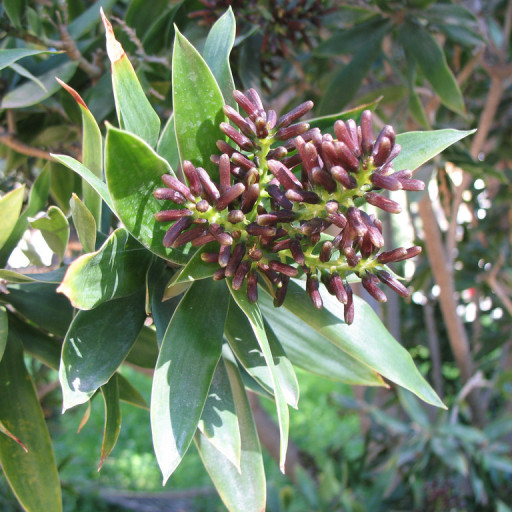
Plant Overview
Often called the "Song of India," this stunning evergreen is a slow-growing masterpiece originally from the islands of the Indian Ocean, including Madagascar. With its ribbon-like leaves and sculptural, twisting stems, it brings a rhythmic, exotic energy to any indoor space. It is a favorite among interior designers for its architectural silhouette and its ability to thrive while looking like a living piece of art.
🔍 How to Identify
- 🍃 Reflexed Foliage: The leaves are lance-shaped and curve backwards (reflexed), growing in tight, spiraled clusters that resemble thick pom-poms along the stems.
- 🎨 Vibrant Variegation: The most popular cultivars feature thick, lime or creamy-yellow margins that surround a deep forest-green center.
- 🪵 Architectural Stems: As the plant matures, the lower leaves naturally drop, revealing a thick, gray-brown woody stem that can be trained into dramatic, curving shapes.
🏡 In Your Garden
- 💧 The Humidity Factor: Unlike some of its hardier Dracaena cousins, the Song of India craves a "tropical" atmosphere; brown leaf tips are often a cry for more humidity rather than more water in the soil.
- ☀️ Light Balance: While it needs bright, indirect light to maintain those vivid yellow stripes, direct afternoon sun is its enemy and will quickly scorch the delicate foliage, leaving permanent bleached patches.
⚠️ Safety & Toxicity
- 🐾 Toxic to Pets: This plant contains saponins, which are toxic to both cats and dogs.
- 🤢 The Risk: If leaves are chewed or swallowed, it can cause vomiting, drooling, and dilated pupils (especially in cats). It is best displayed on a high plant stand or in a room restricted from curious pets.
✨ Fun Fact
🚀 Space-Age Purifier: The Dracaena reflexa was one of the superstar plants featured in NASA’s Clean Air Study, proving it is highly effective at scrubbing common indoor toxins like formaldehyde, toluene, and xylene from the air we breathe!

Detailed Care Instructions
| Humidity | High |
| Lighting | Part Sun |
| Difficulty | Easy |
| Hibernation | Cold Period |
| Temperature | 18°C - 25°C |
| Hardiness Zones | 10A - 11B |
To successfully grow Dracaena Reflexa plants, also known as Song of India or Pleomele, consider the following tips:
- Lighting: Place the plant in bright, indirect sunlight. Avoid direct sunlight, as it can scorch the leaves.
- Temperature: Maintain a temperature range of 65-80°F (18-27°C). Avoid placing the plant near drafts or temperature extremes.
- Watering: Allow the top inch (2.5 cm) of soil to dry before watering. Ensure the pot has drainage holes to prevent waterlogging. Avoid overwatering, as it can lead to root rot.
- Humidity: Dracaena Reflexa plants appreciate higher humidity levels. Mist the leaves occasionally or place the plant on a tray filled with water and pebbles to increase humidity.
- Soil: Plant in well-draining potting soil, or create a mixture of peat moss, perlite, and sand. Avoid compacted or heavy soils.
- Fertilizer: Feed the plant with a balanced, water-soluble houseplant fertilizer every 2-4 weeks during the growing season (spring and summer). Follow the instructions on the fertilizer packaging for proper dosage.
- Pruning: Trim the plant regularly to maintain its desired shape and remove any yellowing or dead leaves.
- Propagation: Dracaena Reflexa plants can be propagated through stem cuttings. Cut a 4-6 inch (10-15 cm) stem section with a few leaves attached. Allow the cut end to dry for a day or two, then plant it in a moist, well-draining potting mix. Keep the soil slightly moist until new growth appears.
- Repotting: Repot the plant every 1-2 years in a slightly larger pot when roots become crowded. Use fresh potting soil during repotting.
- Pest control: Monitor the plant for pests such as spider mites, mealybugs, or scale insects. If pests are detected, remove them manually or use an appropriate insecticidal soap or oil.
Remember to observe and adapt your care routine based on your specific plant's needs. With proper care, your Dracaena Reflexa will grow into a healthy and vibrant plant.

Place in a window with dappled sun or a spot in the middle of a room. Or directly in a window facing west or east.

To water this plant, wait until the top inch of soil feels dry to the touch. Use room temperature water and pour it evenly around the soil, avoiding the leaves and stems. Allow excess water to drain out of the bottom of the pot and discard it. Do not let the plant sit in standing water as it can lead to root rot. In the growing season, water the plant more frequently, and reduce watering in the winter months.
To fertilize this plant, you will need to use a balanced, water-soluble fertilizer. During the growing season, which typically falls between early spring and late summer, you should fertilize every two weeks. During the dormant season, which falls between fall and winter, you can reduce the frequency of fertilization to once a month. Be sure to dilute the fertilizer according to the instructions on the label before feeding it to the plant. Finally, avoid over-fertilizing, as this can lead to nutrient burn and other plant health issues.
For the Dracaena Reflexa plant, it is recommended to use a specific type of soil mix that is well-draining and has good aeration. This soil should contain a mixture of organic matter, like peat moss or compost, as well as some sand or perlite to aid in drainage. The ideal pH level for this soil should be between 6.0 and 6.5. The soil should be kept moist but not waterlogged, and fertilization should be done every 2-3 months using a balanced fertilizer. It's also important to note that the plant should be repotted every 2-3 years to ensure proper root growth and health.
Dracaena Reflexa plant can be propagated through stem cuttings. First, select a healthy stem that is at least 6 inches in length and has 3-4 leaves. Using a sharp, sterile knife or pruning shears, cut the stem just below a leaf node. Remove the lower leaves from the stem, leaving only a few leaves at the top.
Fill a pot with a well-draining soil mix, such as a mix of peat moss and perlite. Make a hole in the soil using a pencil or your finger, and insert the stem cutting into the hole. Firmly press the soil around the stem to hold it in place.
Water the cutting thoroughly and place it in a warm, bright spot with indirect sunlight. It's important to keep the soil moist but not waterlogged. Cover the pot with a plastic bag or dome to create a humid environment for the cutting.
After a few weeks, the cutting should start to develop roots. Once the roots are well established, the cutting can be planted into a larger pot with regular potting soil.
Propagation can also be done through layering or air layering, but stem cuttings are the easiest and most common method for propagating Dracaena Reflexa plant.
Common pests of the song of india include Scale insect, mealybugs, spider mites, thrips. Make a habit of checking your song of india frequently for pests so that any infestations can be caught and managed early.








