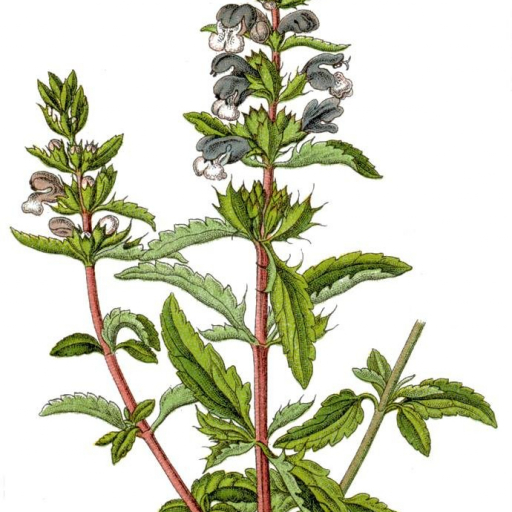
Plant Overview
Known fondly as the Moldavian Dragonhead or Moldavian Balm, this aromatic herb is a hidden gem of the mint family. While it is often mistaken for its cousin, Lemon Balm, the Dragonhead sets itself apart with its striking spikes of violet-blue flowers and a refreshing, citrus-peel fragrance. In Eastern Europe and Central Asia, it has been a staple in herbal teas and traditional medicine for centuries, prized for its calming properties.
🔍 How to Identify
- 🐲 The "Dragon" Bloom: The flowers are the star of the show—tubular, hooded shapes that look remarkably like the gaping maw of a tiny dragon. They usually appear in vibrant shades of blue or purple, though white varieties exist.
- 🍃 Serrated Foliage: The leaves are narrow, lance-shaped, and have distinctive "toothed" or serrated edges. When bruised, they release a potent lemon-scented oil.
- 📐 Square Stems: True to its Lamiaceae (mint) lineage, the plant features a sturdy, four-sided square stem that grows upright, reaching about 15 to 20 inches in height.
🏡 In Your Garden
- 🐝 Pollinator Magnet: If you want a buzzing garden, this is the plant to choose. Its nectar-rich flowers are irresistible to honeybees, bumblebees, and butterflies, making it an excellent companion for vegetable patches.
- ☀️ Sun & Drainage: Unlike some mints that love damp shade, the Dragonhead thrives in full sun and demands well-drained soil. It is surprisingly drought-tolerant once established because of its deep-reaching root system, though it appreciates a bit of mulch to keep its "feet" cool.
- 🌱 Self-Seeding Habit: It is an annual plant, but it is a "persistent" one. It drops seeds readily at the end of the season, often returning the following spring without any help from the gardener.
⚠️ Safety & Toxicity
- ✅ Generally Safe: Dracocephalum moldavica is considered non-toxic to humans and is widely used in culinary applications, such as flavoring jams or brewing herbal teas.
- 🐾 Pet Friendly: There are no known toxic effects for cats or dogs, making it a "safe" aromatic choice for pet-heavy households.
- 💊 Sensitivities: As with any aromatic herb, individuals with specific plant allergies should handle it with care, as the concentrated essential oils can occasionally cause mild skin irritation in sensitive people.
✨ Fun Fact
The genus name Dracocephalum is a direct translation from Greek, where draco means "dragon" and kephale means "head." Historically, it was believed that drinking tea made from these "dragon heads" would provide the drinker with the courage and spirit of the mythical beast!

Detailed Care Instructions
To grow Dracocephalum moldavica (also known as Moldavian balm or dragonhead), follow these steps:
- Climate: Dracocephalum moldavica thrives in areas with full sun to partial shade and in well-drained soil. It can tolerate a wide range of climates but prefers temperate regions.
- Planting time: Sow the seeds directly in the soil or start them indoors 6-8 weeks before the last frost. Transplant the seedlings outdoors after the threat of frost has passed, typically in spring.
- Soil preparation: Prepare the soil by removing weeds and rocks. Amend the soil with organic matter, such as compost, to improve its fertility and drainage.
- Seed sowing: Sow the seeds at a depth of 1/4 inch (0.6 cm) and space them about 12-18 inches (30-45 cm) apart. Keep the soil moist but not waterlogged until germination occurs, which usually takes 10-14 days.
- Watering: Once the plants are established, water them regularly, providing about 1 inch (2.5 cm) of water per week. Avoid overwatering, as it can lead to root rot.
- Mulching: Apply a layer of organic mulch around the plants to conserve soil moisture, suppress weeds, and regulate soil temperature.
- Fertilization: Fertilize the plants every 4-6 weeks using a balanced, slow-release fertilizer or a liquid fertilizer diluted according to the package instructions. Follow the recommended rates as excessive fertilizer can negatively impact plant growth.
- Pruning: To encourage bushy growth and prevent legginess, prune the plants by pinching back the tips regularly. This will also promote more prolific blooming.
- Harvesting: Harvest the leaves and flowers when the plants are in full bloom. Cut the stems just above a leaf node or a set of leaves, as this will encourage new growth and additional blooms.
- Pest and disease control: Dracocephalum moldavica is relatively pest-free, but it may occasionally be affected by aphids or spider mites. Monitor the plants regularly and control any infestations by using organic insecticidal soap or other appropriate methods.
By following these guidelines, you can successfully grow Dracocephalum moldavica and enjoy its delightful flowers and fragrance.

Place in a bright room that is sun drenched almost all day. Or directly in a south-facing window.

To water a certain plant with small purple-blue flowers, native to several countries in Europe and Asia, you should first check the soil moisture level by sticking your finger about an inch into the soil. If the soil feels dry, it is time to water the plant.
When watering, use a watering can or a hose with a gentle spray nozzle to avoid damaging the delicate leaves and stems. Water the plant at the base and avoid getting water on the leaves as this can lead to leaf spot diseases.
Be sure not to overwater the plant, as this can cause root rot. Allow the top inch of soil to dry between watering, and adjust the frequency of watering depending on the humidity and temperature of your environment.
In general, this plant prefers well-draining soil with moderate moisture levels. It can tolerate some drought but may wilt or drop leaves if it is too dry for too long. Conversely, the plant may also suffer if the soil is waterlogged or if it is exposed to excessively rainy conditions. Adjust your watering accordingly to keep this plant healthy and thriving.
First, prepare the soil by removing any weeds or debris. Add a layer of organic matter, such as compost, to enrich the soil.
Next, sprinkle a slow-release fertilizer evenly around the base of the plant. Use a balanced fertilizer with equal parts nitrogen, phosphorus, and potassium.
Water the plant thoroughly after fertilizing. Repeat this process every 4-6 weeks throughout the growing season.
Be sure to follow any specific instructions on the fertilizer package, as different brands may have different application rates and schedules.
Dracocephalum Moldavica plant prefers well-draining soil with a pH range of 6 to 7. It needs fertile soil that is rich in organic matter to support its growth. The ideal soil for this plant is a loamy soil that is a mixture of sand, clay, and silt. It should also have good drainage and be able to retain moisture for longer periods. The soil must be well-aerated to promote the optimal growth of the roots. It is important to avoid using heavy, compacted soil, as it can hinder the plant's growth and development. Adding compost or organic matter to the soil can improve its structure, fertility, and ability to hold water. Additionally, adding a layer of mulch around the base of the plant can help retain moisture and suppress weed growth.
To propagate this plant, firstly identify healthy and mature plants from which you wish to take cuttings. Use a sterilized sharp cutting tool to cut a 4-6 inch section of stem just below a node or joint. Remove any leaves from the bottom inch of the cutting.
Next, dip the cut end into a rooting hormone powder to increase the chances of success. Prepare a container with a well-draining potting mix, and make a hole in it using a pencil or stick. Place the cutting into the hole, and gently firm the soil around it.
Mist the cutting and cover it with a plastic bag to create a humid environment. Place the container in a well-lit area away from direct sunlight. Mist the cutting regularly to keep it moist.
After a few weeks, gently tug on the cutting to check if it has developed roots. If there is resistance, it has rooted. Remove the plastic bag and continue to care for your new plant baby by regularly watering it and slowly introducing it to brighter light.








