Plant Overview
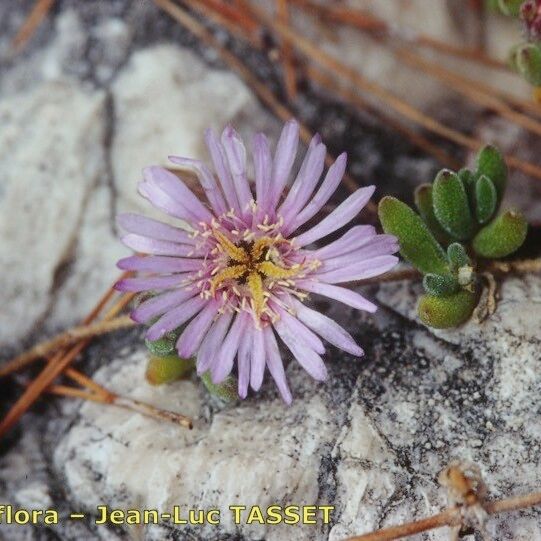
Often called the Redondo Creeper or the Dewflower, Drosanthemum candens looks as if it has been permanently dusted with morning frost. This South African native is a master of transformation, turning from a quiet, shimmering green carpet into a dazzling sea of pink or white blooms when the sun hits. It is a favorite for coastal gardeners who need a "tough-as-nails" plant that still looks delicate and ethereal.
🔍 How to Identify
- 💎 The "Ice" Crystals: The small, cylindrical succulent leaves are covered in tiny, translucent papillae (water vesicles) that sparkle in the sunlight, giving the plant its "iced" appearance.
- 🌸 Radiant Blooms: It produces masses of daisy-like flowers, typically in shades of soft pink, lavender, or white, which possess a satiny sheen.
- 🌿 Trailing Habit: The stems are thin, flexible, and often take on a reddish hue as they age, sprawling along the ground to form a dense, weed-suppressing mat.
🏡 In Your Garden
- 🌊 Coastal Warrior: This plant is exceptionally salt-tolerant. While other plants might turn brown from sea spray, the Redondo Creeper thrives, making it the perfect choice for seaside rockeries or cliffside stabilization.
- ☀️ Sun Seeker: The flowers are "phototropic," meaning they strictly follow the sun. They will remain tightly closed on cloudy days or at night, only revealing their full glory during peak daylight hours.
- 🏜️ Drought Strategy: Those glistening "ice" droplets on the leaves aren't just for show; they are specialized cells that store water and reflect intense UV rays, allowing the plant to survive in bone-dry soil where other groundcovers would shrivel.
⚠️ Safety & Toxicity
- ✅ General Safety: Drosanthemum candens is generally considered non-toxic and safe for home gardens.
- 🐾 Pets & Kids: It is not known to be poisonous to cats, dogs, or humans. However, as with any succulent, ingesting large amounts of the fleshy leaves can cause mild stomach upset in curious pets.
✨ Fun Fact
The name Drosanthemum comes from the Greek words "drosos" (dew) and "anthos" (flower), perfectly describing the shimmering, wet look of the plant even in the middle of a heatwave!

Detailed Care Instructions
To grow Drosanthemum candens, also known as Mezoo or living stone, follow these steps:
- Choose the right location: Drosanthemum candens prefers full sunlight, so find a spot that receives at least 6 hours of direct sunlight each day.
- Prepare the soil: The plant thrives in well-draining soil. If your soil is heavy or clayey, amend it with sand or perlite to improve drainage.
- Watering: Water the plant thoroughly and then allow the top inch of soil to dry out before watering again. Over-watering can cause root rot, so be cautious and avoid leaving the soil constantly moist.
- Fertilizing: This plant doesn't require much fertilization. Use a balanced, water-soluble fertilizer once a month during the growing season (spring and summer). Follow the manufacturer's instructions for proper dilution and application.
- Propagation: Drosanthemum candens can be propagated through stem cuttings. Take a 3-4 inch stem cutting in spring or early summer. Remove the lower leaves and plant the cutting into well-draining soil. Place it in a warm spot with indirect sunlight until roots develop.
- Pruning: Prune the plant lightly after the flowering season has ended to shape it and promote bushier growth.
- Pests and diseases: Drosanthemum candens is generally resistant to pests and diseases. However, it can sometimes be attacked by mealybugs or snails. Inspect the plant regularly and treat any issues promptly.
Remember to always research and follow specific care instructions for the Drosanthemum candens variety you have, as specific cultivars may have slightly different requirements.

Place in a window with dappled sun or a spot in the middle of a room. Or directly in a window facing west or east.

Drosanthemum Candens is a succulent plant that commonly grows in dry, arid regions. When it comes to watering this plant, it is essential to take into consideration its natural habitat and watering requirements.
To water Drosanthemum Candens, it is important to wait until the soil is completely dry. Overwatering this plant can lead to root rot and other diseases, so ensure that the soil is completely dry before watering.
When watering, slowly and gently pour water directly onto the soil until the water runs out from the drainage holes. Avoid getting the water on the leaves of the plant, as this can lead to damage or sunburn.
In the summer months, Drosanthemum Candens may need to be watered once every 7-10 days, depending on the humidity and temperature of the environment. In the winter months, water requirements may decrease, and the plant may need to be watered every 10-14 days.
Always monitor the soil moisture level and adjust the watering frequency accordingly. Drosanthemum Candens is drought-tolerant, but it still requires occasional watering to thrive and maintain its health.
To fertilize Drosanthemum Candens, apply a balanced, water-soluble fertilizer every two to four weeks during the growing season, which typically spans from early spring to late summer. Dilute the fertilizer to half the recommended strength and apply it to the soil around the plant's base. Avoid getting the fertilizer on the foliage, as this can cause leaf burn. Reduce fertilization during the plant's dormant period in fall and winter.
The ideal soil for this plant is one that is well-draining and has a pH level that is slightly acidic to neutral. A mixture of sand, perlite, and a small amount of loam or topsoil is recommended. It should not contain high levels of organic matter and should be low in nutrients. The plant prefers to be in a dry environment and can tolerate drought, so it's important to avoid soil that retains moisture for long periods. Additionally, the type of soil used should allow for ample air circulation to prevent root rot.
The propagation of this particular plant can be achieved through stem cuttings. It is best to take stem cuttings from healthy and mature plants during the spring or summer months. The stem cuttings should be around 4-6 inches long and have at least one node.
After obtaining the stem cuttings, remove the leaves from the bottom half of the stem. Dip the cuttings in rooting hormone to encourage the growth of roots.
Prepare a well-draining potting mix consisting of sand, perlite, and peat moss. Place the cuttings in the potting mix, leaving at least one node beneath the soil surface. Water the cuttings sparingly, just enough to keep the soil moist but not waterlogged.
Place the cuttings in a bright but indirect light area. It is essential to keep the cuttings in a warm and humid environment. To maintain the humidity, cover the pot with a clear plastic bag.
In a few weeks, the stem cuttings should start forming roots. Once the roots reach a sufficient length, you can transplant them into their permanent pot and take care of them like a mature plant.








