Plant Overview
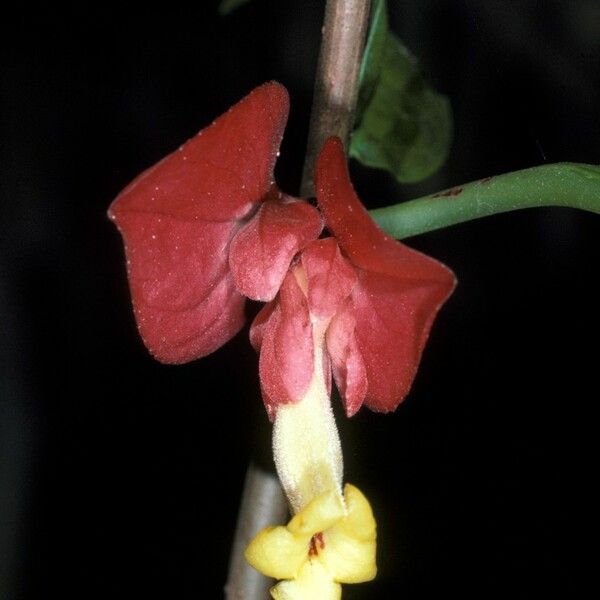
Often called the Scarlet Drymonia, this tropical gem hails from the humid rainforests of Central and South America. It is a striking member of the African Violet family (Gesneriaceae), but instead of sitting quietly on a windowsill, it prefers to scramble up trees or trail from hanging baskets like a waterfall of fire. Its waxy, vibrant blooms are legendary among rare plant collectors for their dramatic "glowing" appearance in deep shade.
🔍 How to Identify
- 🏮 Lantern-like Blooms: The most striking feature is the tubular, scarlet-red flowers that emerge from colorful bracts. They often have a slightly "pouched" shape, appearing almost like glowing embers.
- 🍃 Lush Foliage: The leaves are large, elliptical, and deep green, often featuring a glossy or slightly waxy sheen that helps them shed excess rainwater in their native habitat.
- 🌿 Vining Stature: This plant has a sprawling, hemiepiphytic habit, meaning it can grow both in soil and as a "hitchhiker" attached to other plants for support.
🏡 In Your Garden
- 💧 The Humidity Factor: Because it originates from the Amazonian understory, it craves high humidity. If the air is too dry, the leaf edges will crisp up and the flower buds may drop before opening.
- 🧗 Support Systems: This plant thrives when given a totem or moss pole to climb. This mimics its natural behavior of scaling tropical tree trunks to reach the filtered sunlight of the canopy.
- ⛅ Filtered Light: It hates direct midday sun, which can scorch its leaves. Think of it as a "goldilocks" plant—it wants bright, dappled light that feels like a forest floor.
⚠️ Safety & Toxicity
- 🐾 Pet Sensitivity: While not listed as a deadly toxin, the Drymonia genus is generally considered best kept out of reach of pets. Ingestion may cause mild stomach upset or drooling in cats and dogs.
- 🧤 Skin Protection: The sap of many rainforest plants can be an irritant to those with sensitive skin. It is wise to wear gloves when pruning or taking cuttings to avoid a minor rash.
✨ Fun Fact
🐦 Evolutionary Engineering: The bright red, tubular shape of the Drymonia coccinea flower is specifically "designed" by nature to attract hummingbirds. The birds' long beaks fit perfectly into the tube, ensuring they pick up pollen while drinking nectar!

Detailed Care Instructions
To grow Drymonia coccinea, also known as flame violet or goldfish plant, you can follow these steps:
- Choose a suitable location: Drymonia coccinea requires bright but indirect light. Avoid direct sunlight as it can scorch the leaves. Place the plant near a north-facing window or provide artificial lighting if needed.
- Provide the right temperature and humidity: Keep the plant in a warm environment with temperatures between 65-75°F (18-24°C). It prefers higher humidity levels, so misting the leaves regularly or placing a tray of water near the plant to create a humid microclimate will help.
- Select a well-draining potting mix: Use a well-draining potting mix with good moisture retention. A mix consisting of peat moss, perlite, and a small amount of vermiculite or sand works well.
- Water correctly: Water the plant when the top inch of soil feels dry. Ensure thorough watering, allowing excess water to drain out. Avoid letting the plant sit in standing water, as it can lead to root rot.
- Fertilize regularly: Use a balanced, water-soluble fertilizer for houseplants. Dilute it to half the recommended strength and apply every two weeks during the growing season (spring and summer) to provide essential nutrients.
- Prune if necessary: If your Drymonia coccinea becomes leggy or overgrown, you can prune it back. Trim back any long or straggly stems to encourage a bushier growth habit.
- Propagate if desired: Drymonia coccinea can be propagated through stem cuttings. Simply take a 4-6 inch cutting from a healthy plant, remove the lower leaves, dip the cut end in rooting hormone (optional), and place it in a pot filled with moistened potting mix. Keep the cutting in a warm, humid environment and mist it regularly until roots develop.
- Monitor for pests: Keep an eye out for common houseplant pests such as aphids or spider mites. Inspect the plant regularly and treat any infestations promptly with organic insecticidal soap or other suitable remedies.
With proper care and attention to its growing conditions, your Drymonia coccinea should thrive and produce beautiful, vibrant flowers.
To water this plant, it is important to make sure that the soil is completely dry before watering again. When watering, pour water over the soil until it begins to drain out of the bottom of the pot. It is important not to let the plant sit in standing water, as this can lead to root rot. Watering frequency will depend on the humidity and temperature of the surrounding environment, but typically once a week should be sufficient. It is important to monitor the plant closely and adjust the watering schedule as needed.
To fertilize this plant, use a balanced liquid fertilizer during the growing season, and reduce the frequency and strength during the winter months. Avoid applying fertilizer to dry soil, and make sure to water thoroughly after fertilizing to prevent burning the roots. Applying compost or organic matter in the soil can also help provide enough nutrients for the plant's growth.
Drymonia Coccinea plant prefers a well-draining soil that is rich in organic matter. The soil should have a neutral to slightly acidic pH level, ranging from 6.0 to 7.0. It is recommended to use a soil mixture that contains a combination of humus, peat moss, and perlite or sand to improve drainage. Adding some compost to the soil can also help provide the plant with the necessary nutrients to thrive. It is important to avoid soils that are too heavy or compacted, as this can lead to waterlogged conditions and root rot. Using an appropriate soil mixture can help promote healthy growth and prevent problems such as nutrient deficiencies and root diseases.
Drymonia Coccinea plant can be propagated through stem cuttings. Firstly, select a healthy parent plant with a strong stem. Then, use a sharp and sterilized cutting tool to cut a 4-6 inch stem from the parent plant. Remove the leaves from the bottom of the stem, leaving only a few leaves at the top.
Next, prepare a well-draining potting mix and fill a small pot with it. Dip the stem cutting's bottom end in commercial rooting hormone powder. Tap off any excess powder, as too much hormone can cause the cutting to fail. Insert the cutting into the potting mix and firm it gently.
Cover the pot with a clear plastic bag or a plastic wrap to create a humid environment for the cutting. Place the pot in a spot with indirect sunlight and moderate temperature. The cutting should root within 2-4 weeks.
Check the cutting regularly for any signs of mold or rotting. Once the roots are established, remove the plastic cover and gradually increase the amount of light to acclimate the cutting to its new environment.








