Plant Overview
Known famously as Epazote, Dysphania ambrosioides is a powerhouse of the herb world with a polarizing scent that people either love or loathe. Often called "Mexican Tea" or "Wormseed," this ancient plant has been used for centuries in Mesoamerican cooking and traditional medicine. It is best known for its "magical" ability to reduce the gas associated with eating beans, making it a staple in any authentic Mexican kitchen.
🔍 How to Identify
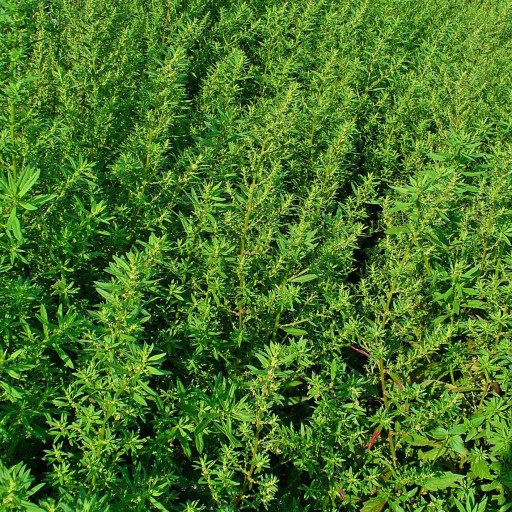
- 🍃 The Leaves: The leaves are long, lance-shaped, and feature distinctively large, jagged teeth along the edges. They have a slightly waxy texture.
- 🎋 Growth Habit: This is a gangly, upright herb that can reach up to 4 feet in height. It often looks more like a "weed" than a traditional garden herb.
- 👃 The Scent: Perhaps the most identifying feature is its pungent aroma. When crushed, the leaves smell like a complex mix of citrus, mint, pine, and—strangely enough—gasoline or turpentine.
- 🟢 The Flowers: It produces tiny, inconspicuous green flowers that grow in small, bead-like clusters along the stems.
🏡 In Your Garden
- ☀️ Sun Seeker: Epazote is incredibly hardy and thrives in full sun with well-draining soil. It is notoriously tough and can often be found growing in the cracks of sidewalks or disturbed soil.
- 🌱 Containment Strategy: Be careful where you plant it! It is a prolific self-seeder and can quickly become invasive in a home garden. Many gardeners prefer to keep it in a pot to prevent it from taking over the vegetable patch.
- ✂️ Harvesting: To keep the plant bushy and prevent it from going to seed too early, pinch off the center stems regularly. The flavor is most potent in the fresh leaves, though they can be dried for later use.
⚠️ Safety & Toxicity
- 🧪 Status: Edible in culinary amounts, but toxic in high concentrations.
- 🐕 Pet Safety: Epazote is considered toxic to dogs, cats, and horses. It contains essential oils that can cause vomiting, lethargy, or more serious neurological issues if consumed in large quantities.
- 👶 Human Caution: While used as a seasoning, the concentrated essential oil (oil of chenopodium) is dangerously toxic and should never be ingested. Pregnant or nursing women should avoid consuming epazote.
✨ Fun Fact
The name "Epazote" comes from the Nahuatl (Aztec) words epatl (skunk) and tzotl (sweat). While "skunk sweat" doesn't sound very appetizing, once the leaves are cooked into a pot of black beans, the harsh scent mellows into a savory, earthy flavor that is irreplaceable!

Detailed Care Instructions
| Soil Ph | Acidic, Neutral, Alkaline |
| Humidity | Normal |
| Invasive | Weed |
| Lighting | Full Sun |
| Toxicity | Poisonous |
| Soil Type | Well-Drained |
| Difficulty | Medium |
| Plant Type | Perennial, Herb |
| Hibernation | Cold Period |
| Mature Size | 2-3 Ft. Tall, 18 In. Wide |
| Native Area | Central America, South America |
| Temperature | 15°C - 31°C |
| Sun Exposure | Full Sun |
| Hardiness Zones | 8-10 |
To grow Dysphania ambrosioides (also known as Mexican tea or epazote), follow these steps:
- Choose a suitable location: Mexican tea thrives in full sun but can tolerate partial shade. It prefers well-drained soil with organic matter.
- Start with seeds: Purchase seeds from a reputable nursery or obtain them from a mature plant. Sow the seeds directly in the ground or in pots around 1/4 inch deep and cover lightly with soil.
- Watering: Keep the soil evenly moist but not waterlogged. Water the plant regularly, especially during dry spells or when growing it in pots. Avoid overwatering, as it can lead to root rot.
- Fertilization: Mexican tea generally doesn't require much fertilization. However, if the plants look weak or pale, you can apply a balanced organic fertilizer during the growing season.
- Pruning: Regularly pinch off the tips of the plant to encourage bushier growth. You can also prune any dead or damaged leaves or stems.
- Pests and diseases: Mexican tea is generally pest-resistant, but occasionally, aphids and other common garden pests can infest the plant. Use organic pest control methods like spraying with soapy water or applying neem oil.
- Harvesting: You can start harvesting the leaves when the plants are around 6 inches tall. Clip the leaves from the top of the plant, and new growth will appear within a few weeks.
- Culinary uses: Dysphania ambrosioides is often used in Mexican and Central American cuisine to flavor dishes like beans, soups, and tamales. Use the leaves fresh or lightly dried for the best flavor.
Remember to research any specific growing conditions or local requirements based on your location, as they can vary.

Place in a bright room that is sun drenched almost all day. Or directly in a south-facing window.

To water this plant, you should first check the soil moisture level by sticking your finger into the soil. If the top inch of soil feels dry, it's time to water. Use a watering can or hose to gently water the soil around the base of the plant, taking care not to get water on the leaves. Allow the soil to absorb the water, and then repeat the process until the soil is moist but not waterlogged. It's important to avoid over-watering, as this can lead to root rot and other issues. In general, this plant prefers to be kept on the drier side, so only water when necessary.
To fertilize this plant, use a balanced fertilizer with equal amounts of nitrogen, phosphorus, and potassium. Apply the fertilizer every two weeks during the growing season, following the manufacturer's instructions for dilution and application. Make sure not to over-fertilize as this can lead to nutrient burn and damage to the plant. It is also important to water the plant regularly to ensure the fertilizer is properly absorbed.
The soil that is suitable for Dysphania Ambrosioides plant is a well-draining mixture with good water retention properties. The pH of the soil should be slightly acidic to neutral (6.0-7.0). The soil should be rich in organic matter, such as compost or leaf mold to provide nutrients to the plant. It is important to avoid using overly sandy or clay soils, as they can retain too much moisture or be compacted, which can hinder the plant's growth. Additionally, it is recommended to periodically provide the plant with plant food or a balanced fertilizer to ensure optimal growth and development.
To propagate this plant, first take a healthy stem cutting that is around 4-6 inches in length. Next, remove any leaves from the lower section of the cutting to ensure that it will focus its energy on root growth.
Then, dip the cut end in a rooting hormone powder and plant it in a small pot filled with well-draining soil. Place the pot in a warm and bright location out of direct sunlight.
Water the cutting frequently but avoid overwatering as it may cause the cutting to rot. Within a few weeks, you should start to see new growth, which indicates that the cutting has successfully rooted.
Once the plant has established itself, you can transplant it to a larger pot or into your garden. Ensure to provide the plant with regular fertilization and water, but avoid overwatering as it can cause root rot. With proper care, this plant can grow into a lush and healthy specimen that can provide delicious, aromatic herbs that can be used as an ingredient in many recipes.








