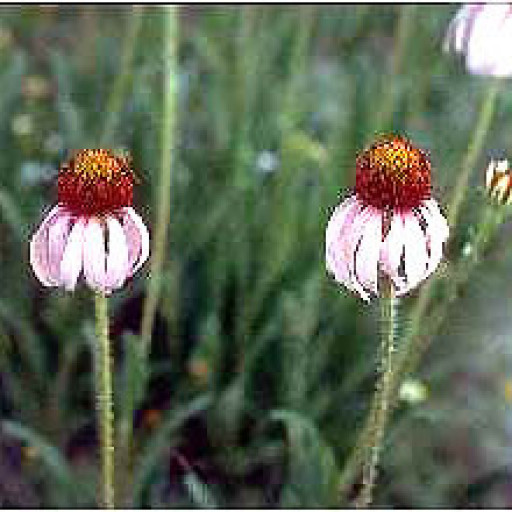
Plant Overview
Known widely as the "Purple Coneflower," Echinacea is the crown jewel of the North American prairie. Its striking, daisy-like appearance and long history in traditional medicine make it a favorite for both wild-style meadows and formal cottage gardens. This hardy perennial is a true survivor, standing tall through heatwaves and dry spells while acting as a beacon for local wildlife.
🔍 How to Identify
- 🌸 The "Cone" Center: The flower features a prominent, spiny central disk (the receptacle) that remains rigid and prickly even after the petals have faded.
- 🎨 Reflexed Petals: In many species, the vibrant pink or purple petals droop or curve downward, pointing away from the central cone.
- 🍃 Rough Foliage: The dark green leaves and sturdy stems are usually covered in tiny, coarse hairs, giving the plant a distinct sandpaper-like texture.
🏡 In Your Garden
- ☀️ Sun-Drenched Success: Echinacea thrives in full sun. While it can tolerate light shade, the stems may become "leggy" or floppy if they have to reach too far for light.
- 🌵 The Taproot Advantage: This plant grows a deep taproot, which acts as a straw to reach deep-set water. This makes it incredibly drought-tolerant but also means it hates being moved once established—pick its "forever home" carefully!
- 🐦 Winter Interest: Resist the urge to "tidy up" in late fall. If you leave the dried seed heads standing through winter, they provide essential food for goldfinches and add a beautiful structural element to a snowy garden.
⚠️ Safety & Toxicity
- ✅ Generally Safe: Echinacea is considered non-toxic to humans, dogs, and cats. It is a common ingredient in herbal teas and supplements.
- 🤧 Sensitivity Note: Because it belongs to the Asteraceae family, individuals with strong allergies to ragweed, daisies, or marigolds may experience mild skin irritation or hay fever symptoms when handling the plant.
✨ Fun Fact
- 🦔 Hedgehog Heritage: The name Echinacea is derived from the Greek word echinos, which means "hedgehog" or "sea urchin." One look at the prickly, rounded center of the flower makes it easy to see why!

Detailed Care Instructions
| Lighting | Full Sun |
| Hardiness Zones | Max 10B |
To grow Echinacea plants successfully, follow these steps:
- Choose the right location: Echinacea plants prefer full sun, so select a spot in your garden that receives at least 6 hours of direct sunlight daily. Ensure the area has well-drained soil.
- Prepare the soil: Echinacea plants can tolerate a variety of soil types but prefer slightly acidic to neutral soil (pH 6.0-7.0). Add organic matter such as compost or well-rotted manure to improve the soil's fertility and drainage.
- Planting: If starting from seeds, sow them directly into the ground after the last frost date for your region. Barely cover the seeds with soil, as they need sunlight to germinate. Alternatively, you can purchase young Echinacea plants or divisions from a nursery and transplant them into your garden.
- Spacing: Plant the seeds or young plants around 18-24 inches apart to allow for their growth and spreading.
- Watering: Echinacea plants are drought-tolerant once established, but require regular watering during the first few weeks after planting. Water deeply, allowing the soil to dry out between waterings to encourage deep root growth.
- Mulching: Apply a layer of organic mulch, such as straw or wood chips, around the plants to help retain moisture and control weeds.
- Fertilizing: Echinacea plants do not require heavy fertilization. A light application of balanced organic fertilizer in early spring and again in early summer should be sufficient. Avoid over-fertilization, as it may promote excessive foliage growth at the expense of flower production.
- Pruning: Deadhead the spent flowers regularly to prolong blooming and prevent self-seeding. In late fall or early spring, cut back the dead foliage to the ground to promote new growth in the following season.
- Pest and disease control: Echinacea plants are generally resistant to pests and diseases, but occasionally, they may be affected by aphids, Japanese beetles, or fungal diseases. Monitor your plants regularly and take appropriate measures if problems arise.
- Division and propagation: Echinacea plants benefit from division every 3-4 years to maintain vigorous growth. Lift the whole clump from the ground, carefully separate the individual plants with a sharp knife or shovel, and replant them.
By following these guidelines, you can successfully grow Echinacea plants and enjoy their vibrant flowers in your garden.

Place in a bright room that is sun drenched almost all day. Or directly in a south-facing window.

To properly water this plant, it is important to first check the soil moisture level. Stick your finger or a moisture meter into the soil and make sure it is not too dry or too wet. If the soil is dry to the touch, water the plant thoroughly until the water runs out the bottom of the pot or drains into the soil. Avoid letting the soil become too waterlogged or dry out completely. It is best to water this plant deeply but infrequently, allowing the top layer of soil to dry out before watering again. Additionally, make sure to water at the base of the plant and avoid getting water on the leaves or flowers, as this can lead to disease or fungal issues.
To fertilize this plant, use a balanced fertilizer in early spring before new growth appears. Apply another round of fertilizer in late spring or early summer. Avoid over-fertilization, as it can lead to excessive foliage growth and fewer flowers. Water the plant well after fertilization to help distribute the nutrients.
The recommended type of soil to use for the Echinacea plant is a well-draining soil with a pH range of 6.0 to 7.0. The soil should contain a mix of sand, loam, and organic matter to provide good drainage and nutrients for the plant. It is recommended to avoid using heavy clay soils or soils that are prone to waterlogging, as this can lead to root rot and other plant problems. Additionally, adding a layer of mulch around the plant can help to maintain soil moisture levels and keep weeds at bay.
To propagate this plant, gather the seeds once they have dried on the plant. Sow the seeds in early spring in well-draining soil. Cover the seeds with a thin layer of soil and keep them moist until they have germinated. The temperature should be warm, around 70°F (21°C). After the seedlings have developed their first set of true leaves, they can be transplanted into individual pots. Once the plant has matured, it can also be propagated via root division. Carefully lift the plant from the soil and use a sharp tool to divide the roots into separate sections. Each section should have a good amount of roots and foliage. Replant each new division into its own pot or directly into the ground.







