Plant Overview
Known affectionately as the Lace Cactus or the Merry-wig, this desert gem is a favorite among succulent collectors for its intricate, "embroidered" look. Native to the rugged landscapes of the Southwestern United States and Northern Mexico, it is a resilient survivor that trades the typical menacing cactus look for a more delicate, artistic aesthetic. When it blooms, it produces some of the most oversized and brilliant flowers in the cactus kingdom, often dwarfing the plant itself.
🔍 How to Identify
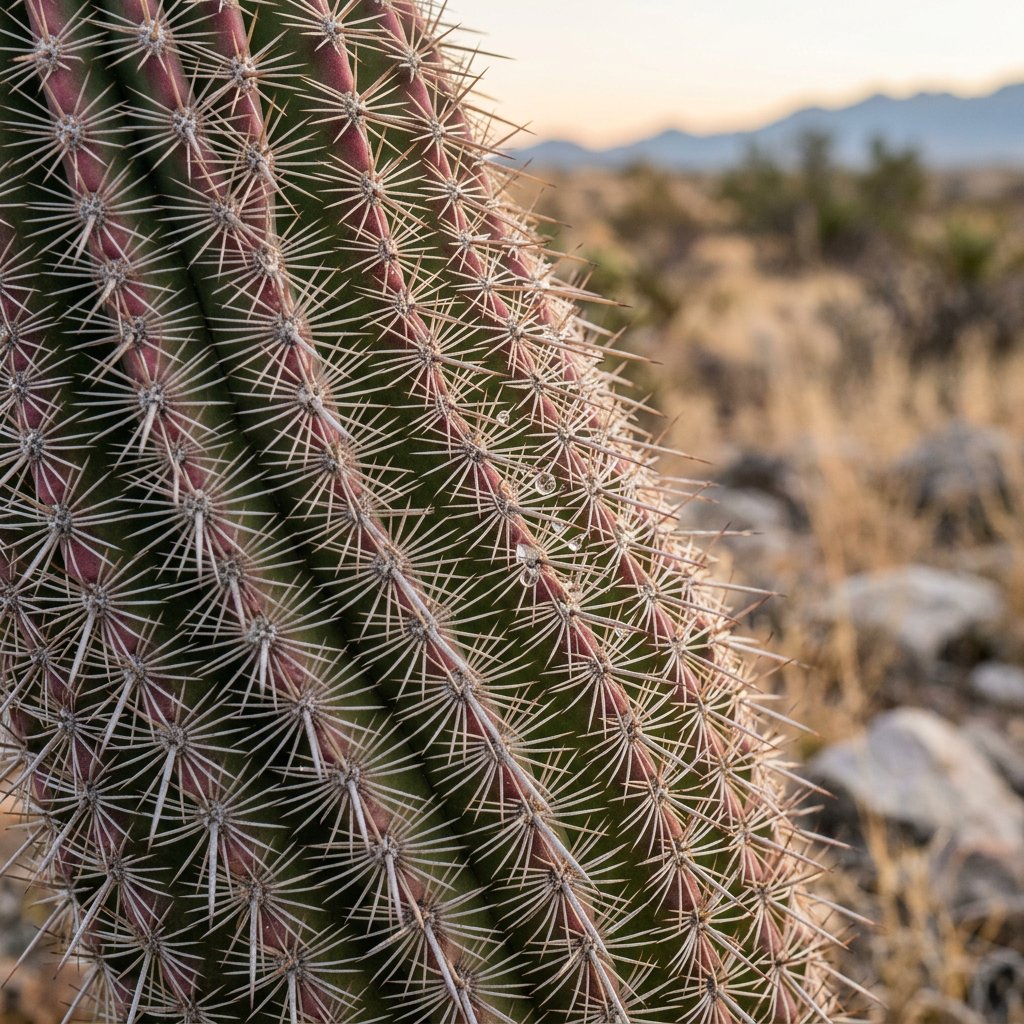
- 🌵 The "Lace" Spines: The plant is covered in small, pectinate (comb-like) spines that lay flat against the stem. They overlap in a way that creates a white or multicolored "lace" pattern, often obscuring the green flesh of the cactus.
- 📏 Growth Habit: It typically grows as a single, small cylinder, reaching about 3 to 8 inches tall. Over time, it may form small, charming clusters.
- 🌸 Spectacular Blooms: In late spring, it produces massive, funnel-shaped flowers. They are usually a vibrant magenta or rose-pink with a dark, contrasting throat and fuzzy green tubes.
🏡 In Your Garden
- ☀️ Sun & Stress: While it loves bright light, the "lace" of spines actually acts as a built-in sunshade, protecting the plant from intense UV rays. In a garden setting, it needs the brightest spot available to keep its spine growth dense and white.
- ❄️ Surprising Hardiness: Unlike many tropical succulents, this cactus is incredibly cold-hardy. It can survive freezing temperatures if kept dry, making it a rare choice for outdoor rock gardens in temperate climates where other cacti would perish.
- 🪨 The Drainage Rule: It has a sensitive root system that hates "wet feet." If planting in a pot, use a very gritty mix (mostly pumice or perlite) because its natural habitat is rocky, limestone-rich soil that drains instantly.
⚠️ Safety & Toxicity
- ✅ Non-Toxic: Echinocereus reichenbachii is not known to be poisonous to humans, cats, or dogs.
- 🌵 Physical Hazard: While the spines lay relatively flat and aren't as "hooked" or aggressive as other species, they are still sharp. Handle with gloves or a folded newspaper to avoid skin irritation or tiny punctures.
✨ Fun Fact
This cactus is a master of "shriveling." To survive harsh winters, the Lace Cactus will actually expel water and shrink into the ground, looking wrinkled and almost dead. This prevents its cells from bursting when the temperature drops below freezing!

Detailed Care Instructions
| Lighting | Full Sun |
| Hardiness Zones | Min 5A |
To successfully grow an Echinocereus reichenbachii plant, also known as lace cactus or lace hedgehog cactus, follow these steps:
- Environmental conditions: Echinocereus reichenbachii prefers a warm and dry environment. It requires full sun to thrive, so place it in an area that receives 6-8 hours of direct sunlight per day. It can tolerate a wide range of temperatures but prefers to be kept between 70-90°F (21-32°C) during the growing season.
- Soil: Choose a well-draining soil mix specifically formulated for cacti and succulents. Avoid heavy or water-retaining soils that may lead to root rot. You can mix regular potting soil with perlite or sand to ensure good drainage.
- Watering: Water the plant thoroughly but infrequently. Allow the soil to dry out completely between waterings, as overwatering can cause root rot. During the summer, water every 10-14 days, and reduce watering in the winter to once every 3-4 weeks. Adjust the watering frequency based on the local conditions and humidity levels.
- Fertilizer: Use a balanced, water-soluble fertilizer diluted to half-strength. Apply it every 2-4 weeks during the growing season (spring and summer). Avoid fertilizing during the winter months when the plant is entering dormancy.
- Potting: Choose a pot with drainage holes and ensure it is slightly larger than the current pot of the plant. Repot only when necessary, typically every 2-3 years, as Echinocereus reichenbachii prefers to be slightly root-bound.
- Pruning: Pruning is generally not required for lace cacti. However, you can remove any dead or diseased parts with sterilized pruning shears to maintain the plant's health and appearance.
- Propagation: Echinocereus reichenbachii can be propagated through seeds or by taking stem cuttings. Sow the seeds in a well-draining cactus soil mix, keep them moist but not soggy, and provide bright indirect light. Stem cuttings can be taken during the growing season, allow them to callous for a few days, then plant them in a well-draining soil mix.
Remember to always handle cacti with care, using gloves or a folded piece of newspaper to protect your hands from the spines.

Place in a bright room that is sun drenched almost all day. Or directly in a south-facing window.

To water this particular type of cactus plant, it is important to first consider the plant's natural habitat and water conditions. Echinocereus Reichenbachii is typically found in regions with dry and arid climates, meaning that it can go for long periods of time without water. However, when watering this plant, it is important to give it a thorough and deep watering, as opposed to light and frequent watering.
To start, wait until the soil around the plant has completely dried out. This can be determined by using a moisture meter or by simply sticking your finger into the soil and feeling for moisture. Once the soil is completely dry, use a watering can or hose to give the plant a deep watering. Make sure to direct the water at the base of the plant, being careful not to get water on the leaves or flowers.
Allow the plant to fully drain before returning it to its usual spot. During the winter months, when the plant is not actively growing, it is important to reduce watering and only water when the soil is completely dry. Additionally, it is important to avoid overwatering, as this can lead to root rot and other issues.
To fertilize this plant, you should use a balanced fertilizer with equal amounts of nitrogen, phosphorus, and potassium. Apply the fertilizer once a month during the growing season (spring and summer), and avoid fertilizing during the winter when the plant is dormant. Dilute the fertilizer to half strength and water the plant well before and after applying the fertilizer to avoid burning the roots.
When growing the plant Echinocereus Reichenbachii, it is important to choose a well-draining soil that is neither too sandy nor too clay-heavy. A good choice may be a mix of a sandy loam soil with a small amount of perlite to improve drainage. It may also be helpful to mix in some organic matter such as compost or aged manure to provide additional nutrients for the plant. When planting, ensure that the soil is level and firm around the roots to promote healthy growth and to prevent soil erosion. Additionally, it is important to allow the soil to dry out completely between waterings, as overwatering can cause root rot and harm the plant's overall health.
To propagate this plant, you should start by selecting a mature and healthy parent plant that has been growing successfully. Then, carefully remove a small section of stem from the parent plant using a clean, sharp blade. It is important to ensure that the cutting you take has several growth nodes on it and is at least several inches long.
Next, you should allow the cutting to dry out and form calluses for a few days. Once it has calloused, you can plant the cutting in a well-draining soil mix in a small pot or container. Keep the soil moist but not waterlogged and make sure to place the cutting in a warm, bright location.
After several weeks, you should start to see new growth from the cutting, indicating that it has successfully rooted and is growing. At this point, you can begin to take care of the new plant as you would any Echinocereus Reichenbachii plant, gradually increasing the amount of sunlight it receives and watering it sparingly.
With proper care, your new plant should grow healthy and strong, and eventually be able to produce its own offspring through the same process of propagation.
Common pests of the lace hedgehog cactus include Scale insect, mealybugs, spider mites. Make a habit of checking your lace hedgehog cactus frequently for pests so that any infestations can be caught and managed early.








