Plant Overview
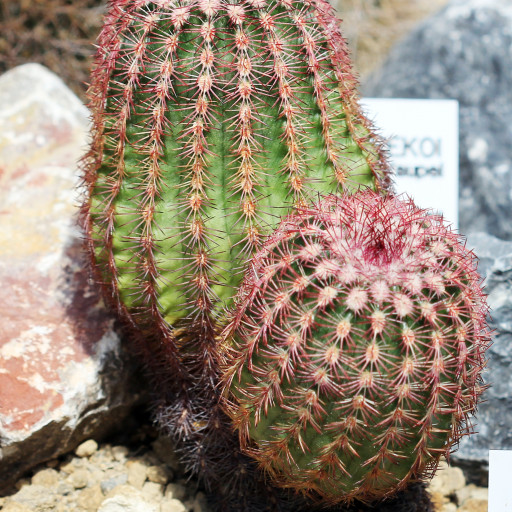
Meet the Arizona Rainbow Cactus, a desert gem that looks as if it were painted by a sunset. Unlike many of its messy, clumping cousins, this cactus grows as a solitary, dignified column. It is famous for its "pectinate" (comb-like) spines that wrap around the body in stunning horizontal bands of pink, rose, and cream, making it a favorite for collectors who love geometric patterns.
🔍 How to Identify
- 🌵 Spine Structure: It lacks central spines entirely. Instead, short, stiff spines press flat against the stem in a radial pattern, resembling tiny combs or eyelashes layered over the plant.
- 🎨 Color Bands: The plant displays distinct horizontal rings of color. These bands represent the growth of different years, changing hues from bright magenta to pale yellow or white depending on the environmental conditions during that growing season.
- 🌸 Magnificent Blooms: In late spring, it produces massive, funnel-shaped flowers near the crown. These are typically a deep, neon pink or magenta with a brilliant white "throat" in the center.
🏡 In Your Garden
- 🏜️ Sun Worshipper: This cactus requires intense light to keep its spine colors vibrant. If kept in the shade, the "rainbow" effect fades, and the plant will stretch (etiolate) into a weak, thin shape rather than a stout column.
- 💧 Dry Feet Only: Because it is native to rocky slopes in the Sonoran desert, it has zero tolerance for "wet feet." It needs a very gritty, mineral-heavy soil mix. If you use standard potting soil, the taproot is likely to rot during the winter dormancy.
⚠️ Safety & Toxicity
- ✅ Non-Toxic: The Arizona Rainbow Cactus is generally considered non-toxic to cats, dogs, and humans. It contains no known harmful alkaloids.
- 📌 Physical Hazard: While the spines are "flat" (pectinate) against the body, they are still very stiff and sharp. They can easily puncture the skin if the plant is grabbed. Always use thick leather gloves or a "towel wrap" technique when moving it.
✨ Fun Fact
The Arizona Rainbow Cactus is a "solitary" species, meaning it almost never produces offsets or "pups" like other cacti. Each plant starts from a tiny seed and grows as a single, majestic pillar for its entire life!

Detailed Care Instructions
| Soil Ph | Acidic, Neutral |
| Humidity | Normal |
| Lighting | Full Sun |
| Toxicity | Non-Toxic |
| Soil Type | Sandy, Well-Drained |
| Bloom Time | Spring |
| Difficulty | Easy |
| Plant Type | Cactus |
| Mature Size | Up To 1 Ft High |
| Native Area | North America, Central America |
| Temperature | 20°C - 30°C |
| Sun Exposure | Full Sun |
| Hardiness Zones | 9 - 11 |
To grow Echinocereus Rigidissimus, also known as the Rainbow Hedgehog Cactus, follow these steps:
- Choose the right location: Echinocereus Rigidissimus prefers full sun exposure, so select a sunny spot in your garden or a location with bright indirect sunlight if growing indoors.
- Soil requirements: This cactus prefers well-draining soil. You can use a commercial cactus soil mix or create your own by mixing equal parts of potting soil, sand, and perlite or pumice.
- Planting: If growing from seeds, sow them in the prepared soil surface and gently press them in. Water lightly and cover the container with plastic wrap until germination occurs. If starting from a nursery-bought plant, remove it carefully from its container and plant it at the same depth in the prepared soil.
- Watering: Echinocereus Rigidissimus is drought-tolerant, so water sparingly. Water deeply but infrequently, allowing the soil to dry out between waterings. During winter months, water sparingly or not at all.
- Fertilization: Apply a diluted low-nitrogen cactus fertilizer once or twice during the growing season, following the manufacturer's instructions. Avoid fertilizing during the winter months.
- Temperature and humidity: Echinocereus Rigidissimus can tolerate most temperatures, but it prefers a warm and dry climate. It is best suited for USDA hardiness zones 9 to 11. Protect it from frost or extreme cold temperatures.
- Pests and diseases: This cactus is generally resistant to most pests and diseases. However, keep an eye out for common cactus pests like mealybugs or scale insects. If you notice any infestation, treat it with an appropriate insecticidal soap or consult a local garden center for advice.
- Propagation: Echinocereus Rigidissimus can be propagated through seeds, offsets, or stem cuttings. If using offsets, separate them from the main plant and let them callous for a few days before planting. Propagating from stem cuttings involves allowing the cut end to callous over and then planting it in well-draining soil.
Remember, cacti require patience, as they grow slowly. With proper care, your Echinocereus Rigidissimus will flourish and add beauty to your collection or garden.

Place in a bright room that is sun drenched almost all day. Or directly in a south-facing window.

To water this plant, you should first wait until the soil is completely dry. Use a watering can with a narrow spout to direct the water at the base of the plant and avoid getting water on the spines. Water slowly and carefully until the soil is moist, but not soaking wet. Allow the soil to dry out again before watering, as overwatering can lead to rot. During the winter months, reduce watering frequency to prevent the plant from becoming too moist and cold.
To properly fertilize this particular species of cactus, mix a balanced, low-nitrogen fertilizer at half strength. Apply the diluted fertilizer to the soil around the base of the plant once a month during its growing season. Do not fertilize during the plant's dormant period. Be sure to water the plant thoroughly before fertilizing, and avoid getting fertilizer on the plant's leaves or stem to prevent burning.
When planting Echinocereus Rigidissimus, it is important to use a well-draining soil mixture that allows for proper aeration and water flow. A mixture of sand, perlite, and gritty soil is recommended to ensure that the roots do not become waterlogged or overly moist, which can lead to root rot. Additionally, adding a small amount of compost or organic matter to the soil can provide essential nutrients for healthy growth. It is also important to use a pot with drainage holes and to avoid over-watering, as Echinocereus Rigidissimus is a desert plant that is adapted to dry conditions.
To propagate this particular plant, you will need tools such as a sharp knife or garden shears, a suitable succulent potting mix or sandy soil, and a new pot that isn't too big. You will also need a healthy parent plant to take cuttings from.
Begin by cutting a piece of stem from the parent plant with a clean, sharp knife or garden shears. Make sure the cutting is around 4 to 6 inches long and has at least a few leaves and some stem.
Let the cutting dry out and callus over for a few days until it forms a protective layer at the cut site. This will help to prevent the cutting from rotting when it is planted.
Once the cutting is dry, prepare your pot with succulent soil or sandy soil. Make a shallow hole in the soil and carefully place the cutting into it, ensuring that it is firmly planted.
Water the cutting sparingly and keep it in a warm, bright place with indirect sunlight. Overwatering can cause the cutting to rot, so be sure to only water when the soil is dry to the touch.
Within a few weeks, the cutting should start to grow roots and produce new growth. At this stage, you can gradually increase watering and fertilize with a succulent-specific fertilizer.
Eventually, the young plant will grow big enough to be transplanted into a bigger pot or into the ground. With proper care, your propagated Echinocereus Rigidissimus plant will thrive and grow!
Common pests of the rainbow hedgehog cactus include Scale insect, mealybugs, spider mites. Make a habit of checking your rainbow hedgehog cactus frequently for pests so that any infestations can be caught and managed early.








