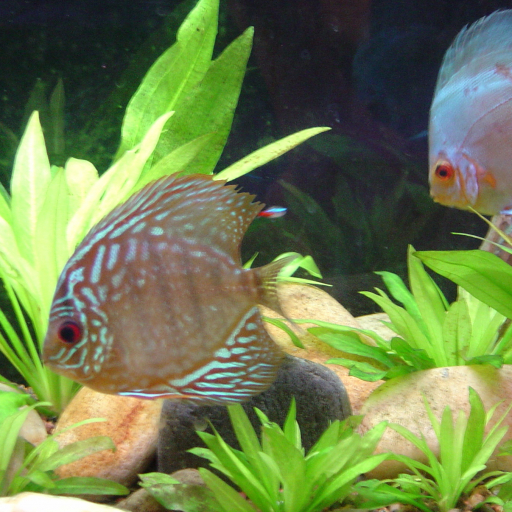
Plant Overview
Often called the "Amazon Sword," Echinodorus grisebachii is the undisputed king of the freshwater aquarium world. Native to the lush river basins of South America, this plant is beloved by hobbyists for creating an instant "underwater jungle" look. In folklore and early botany, it was prized for its sheer resilience, capable of surviving both seasonal floods and dry spells in the wild.
🔍 How to Identify
- 🗡️ Sword-Shaped Leaves: The plant features long, lanceolate (spear-like) leaves that can grow up to 20 inches tall, giving it its famous "Sword" nickname.
- 🌱 Rosette Growth: All leaves radiate outward from a single central point called a crown, creating a dense, bushy appearance.
- 🌿 Prominent Veining: If you look closely, you will see 3 to 5 distinct longitudinal veins running from the base of the leaf to the tip, which helps distinguish it from similar-looking lilies.
🏡 In Your Garden (Aquascape)
- 🍽️ The "Hungry" Root System: This plant is a heavy root feeder. Unlike plants that pull nutrients from the water, the Amazon Sword needs a deep, nutrient-rich substrate. It hates being moved because its massive root system anchors it deeply into the earth.
- 📏 Space Requirements: Because it can grow quite large and wide, it is best used as a "background plant." It will quickly shade out smaller plants if placed too close to the front of the tank.
⚠️ Safety & Toxicity
- ✅ Safe Status: Non-toxic to humans and common household pets.
- 🐠 Aquatic Harmony: It is perfectly safe for fish, shrimp, and snails. While it isn't "poisonous" to cats or dogs, the leaves are quite fibrous and shouldn't be consumed.
✨ Fun Fact
The Amazon Sword is a "polymorphic" survivor. In the wild, it can grow completely underwater or rise above the surface. When it grows above water (emersed), its leaves change shape entirely—becoming shorter, thicker, and more heart-shaped to better handle the air!

Detailed Care Instructions
| Humidity | Dry |
| Lighting | Part Sun |
| Difficulty | Easy |
| Temperature | 22°C - 30°C |
To grow Echinodorus Grisebachii (also known as Amazon Sword plant), you can follow these steps:
- Choose a suitable location: Echinodorus Grisebachii requires moderate to bright lighting. Place the plant near a window or under a grow light for best results.
- Prepare the substrate: Use nutrient-rich aquarium soil or gravel as the substrate in your tank. This will provide essential nutrients for the plant's growth.
- Plant the roots: Carefully separate the individual plants from the mother plant, ensuring that each section has roots attached. Gently bury the roots into the substrate, being careful not to damage them.
- Provide adequate lighting: Ensure that the plant receives 10-12 hours of light per day. If using artificial lighting, provide a period of darkness for the plant to rest.
- Maintain water conditions: Echinodorus Grisebachii prefers neutral to slightly acidic water, with a temperature range of 72-82°F (22-28°C). Regular water changes will help maintain optimal conditions for growth.
- Add fertilizers: You can supplement the plant's nutrient requirements by using liquid or substrate fertilizers specifically formulated for aquarium plants. Follow the instructions on the packaging for proper dosage.
- Prune when necessary: As the Echinodorus Grisebachii grows, it may develop runners and produce new plants. You can trim these runners and replant them or remove any dead or dying leaves to encourage healthy growth.
- Monitor for pests: Check the plant regularly for signs of pests such as snails or algae. If you notice any, take appropriate measures to control or eliminate them.
- Provide CO2 supplementation (optional): Echinodorus Grisebachii can benefit from added carbon dioxide (CO2) in the water. This can be achieved through the use of CO2 injection systems or liquid carbon supplements.
By following these steps, you should be able to successfully grow Echinodorus Grisebachii in your aquarium. Remember to be patient as it may take some time for the plant to establish and grow to its full potential.

Place in a window with dappled sun or a spot in the middle of a room. Or directly in a window facing west or east.

To properly water this plant, you should ensure that the soil is consistently moist but not waterlogged. Ideally, you should wait until the top inch of soil is dry before watering again. Use room temperature water to avoid shocking the plant. When watering, pour the water slowly and evenly over the soil, being careful not to disturb the plant's roots. Avoid getting water on the foliage as this can lead to fungal diseases. Depending on the size of the pot and the environmental conditions, you may need to water this plant 1-2 times a week.
- Choose a complete and balanced aquarium fertilizer.
- Measure the recommended dosage according to your tank size.
- Slowly pour the fertilizer in the aquarium water, near the roots of the plant.
- Fertilize once or twice a week for optimal growth and health.
- Monitor the plant for any signs of deficiencies or excess nutrients, and adjust fertilizer dosage accordingly.
- Regularly check and maintain clean water to prevent nutrient build-up and avoid harming the plant.
The optimal soil for this type of plant is a nutrient-rich substrate that is high in organic matter and has a neutral to slightly acidic pH level. It should also be well-draining and have good water retention capabilities. This will ensure that the plant has access to the essential nutrients it needs to grow and thrive, while also preventing waterlogging and root rot. Additionally, the soil should be free of any toxic chemicals or heavy metals, as these can harm the plant and affect its overall health. Overall, selecting the right soil is crucial to the long-term success of this plant, and can help it reach its full potential in terms of size, color, and overall appearance.
To propagate this plant, first locate a healthy and lush mature plant that has developed a good root system. Observe the plant carefully and look for the growth of new shoots and leaves emerging from the base of the plant.
Use a sharp and clean pair of scissors to cut off the new shoots or runners from the base of the plant near the roots. Make sure that you include a small section of the parent plant's root system.
Prepare a small pot with a nutrient-rich substrate and place the cuttings or runners gently in it. Cover the cuttings with a little bit of substrate and press it down lightly to secure them.
Water the new plants gently and then place them in a well-lit area with indirect sunlight. Keep the soil moist but not waterlogged and avoid exposing the young plants to direct sunlight.
Over the next few weeks, the new plants will develop a root system and the cuttings or runners will start growing new leaves and stems. Once they have developed a sturdy root system and a few sets of new leaves, you can transplant them into larger pots or aquariums filled with suitable water and substrate conditions.
Continue to care for and maintain your new plants by providing them with the right growing conditions, suitable light, and appropriate fertilization. Over time, they will grow into mature plants and may even produce their own runners and baby plants.








