Plant Overview
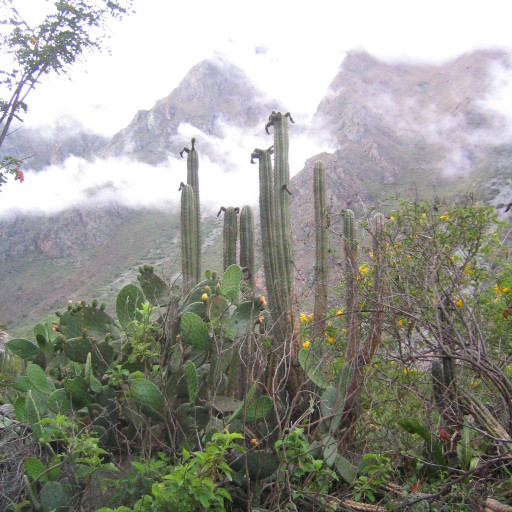
Rising from the rugged slopes of the Andes Mountains, Echinopsis pachanoi, famously known as the San Pedro Cactus, is a majestic columnar giant. For over 3,000 years, it has been revered by indigenous cultures in Peru and Ecuador as a "sacred teacher" plant. Beyond its spiritual history, it is a favorite among succulent collectors for its rapid growth, deep teal-green hue, and stunningly large nocturnal blooms.
🔍 How to Identify
- 🌵 The Columns: It grows in tall, multi-stemmed pillars that can reach heights of 10 to 20 feet. The stems are usually a matte glaucous green or bluish-green.
- 📐 Ribbed Structure: The stems typically feature 6 to 8 rounded ribs. Unlike many sharp-edged cacti, the ribs on a San Pedro are soft and undulating.
- ✨ Aureoles and Spines: Small, brownish circular bumps (areoles) sit along the ribs. While some specimens are almost spineless, others have small, yellow-to-brown spines that look like tiny stars.
- 🌸 Midnight Blooms: It produces massive, trumpet-shaped white flowers that can reach 9 inches in diameter. They open only at night and carry a heavy, sweet fragrance to attract nocturnal pollinators.
🏡 In Your Garden
- ⛰️ Alpine Origins: Unlike desert cacti that thrive in sand, San Pedro comes from high-altitude regions with more rainfall. It prefers a rich, well-draining "cactus mix" and can tolerate more frequent watering during the summer than most of its cousins.
- ☀️ Sun Sensitivity: While it loves bright light, young plants can actually get "sunburned" (turning yellow or white) if moved from shade to direct afternoon sun too quickly. Acclimatize it slowly to help it develop its protective waxy coating.
- 💪 Growth Spurt: It is one of the fastest-growing columnar cacti in the world, sometimes adding a foot of height in a single growing season under the right conditions.
⚠️ Safety & Toxicity
- 🚫 Alkaloid Content: The San Pedro cactus contains various alkaloids, including mescaline. Ingestion can cause intense physical and psychological effects, including nausea and hallucinations.
- 🐾 Pets and Kids: Keep this plant out of reach of curious pets and children. While the spines are often small, they can still cause skin irritation, and the chemical compounds inside are toxic if swallowed.
- ⚖️ Legal Note: In many countries, it is legal to grow San Pedro as an ornamental plant, but extracting its compounds is strictly prohibited.
✨ Fun Fact
The name "San Pedro" (Saint Peter) was given to the cactus following the Spanish conquest. Folklore suggests that just as Saint Peter holds the keys to Heaven, the cactus was believed to be the key that allowed people to "enter heaven" while still on Earth.

Detailed Care Instructions
| Humidity | Dry |
| Lighting | Full Sun |
| Difficulty | Medium |
| Plant Type | Cactus |
| Mature Size | Up To 20 Feet Tall |
| Temperature | 18°C - 30°C |
| Sun Exposure | Full Sun (Partial Shade In Extreme Heat) |
| Hardiness Zones | 8-10 |
To grow an Echinopsis Pachanoi plant, also known as San Pedro cactus, follow these steps:
- Obtain a cutting: You can purchase a cutting from a trusted garden center or online, or you can obtain a cutting from a mature San Pedro cactus. Cut a section of the cactus measuring around 6-10 inches.
- Let the cutting dry: Allow the cutting to dry for a few days in a dry, shaded area until the cut end forms a callus. This helps prevent rotting when you plant it.
- Choose a pot: Select a pot with good drainage that is at least 6-8 inches deep, as the San Pedro cactus develops a deep root system.
- Prepare the soil: Use a well-draining cactus potting mix or create your own by combining regular potting soil with perlite or sand to improve drainage.
- Plant the cutting: Make a small hole in the soil, deep enough to accommodate the base of the cutting. Insert the cutting into the hole, making sure it stands upright, and gently press the soil around it to secure it.
- Watering: Water the cutting sparingly until roots establish, which usually takes a few weeks. After this period, water the plant deeply but infrequently, allowing the soil to dry out between waterings. San Pedro cacti are drought-tolerant plants that prefer dry conditions.
- Sunlight: Place the pot in a sunny location where it receives at least six hours of direct sunlight each day. If you can't provide direct sunlight, a bright and well-lit area should suffice.
- Temperature and climate: Echinopsis Pachanoi plants prefer temperatures between 70-90°F (21-32°C) during the growing season but can tolerate temperatures as low as 50°F (10°C). They are hardy in USDA zones 8-11.
- Fertilization: Feed the plant with a balanced cactus or succulent fertilizer during the growing season, following the instructions on the packaging. Avoid over-fertilization, as it can damage the plant.
- Pruning: Once the plant has grown several feet tall, you can consider pruning the top portion to encourage branching and a more compact shape.
- Pests and diseases: Echinopsis Pachanoi plants are generally resistant to pests and diseases. However, they can occasionally be affected by mealybugs or scale insects. Monitor the plant regularly and treat any infestations promptly with organic insecticidal soap or neem oil.
With proper care, your Echinopsis Pachanoi plant should grow steadily over time, eventually reaching its mature height of 10-20 feet or more. Bear in mind that these plants are slow growers, so patience is key.

Place in a bright room that is sun drenched almost all day. Or directly in a south-facing window.

To properly care for this plant species, you should provide it with consistent and moderate watering. The soil should be allowed to dry out slightly between waterings, as overwatering can lead to root rot and other issues. When watering, be sure to thoroughly saturate the soil, allowing excess water to drain away. It is important to avoid getting water on the leaves or stem of the plant, as this can lead to sunburn and other damage. Additionally, this plant prefers slightly acidic soil with good drainage, so it may be necessary to add amendments to create the right growing conditions. Finally, be sure to monitor the plant for signs of stress or dehydration, such as wilting, yellowing leaves, or brittle stems, and adjust your watering schedule accordingly.
To fertilize this plant, you should use a balanced fertilizer formulated for cacti and succulents. Apply the fertilizer once every three months during the growing season, which is typically from late spring to early fall. Dilute the fertilizer to half strength and water the plant thoroughly before applying the fertilizer. Be careful not to get any fertilizer on the foliage or stems, as this can burn the plant. Follow the packaging instructions for application rates and adjust according to the size of your plant.
The ideal soil for the plant in question should be well-draining and nutrient-rich. It should also have a slightly acidic to neutral pH level. A good mix would consist of a combination of sandy soil, perlite, and peat moss. This type of soil allows for proper water drainage and prevents root rot. Additionally, adding slow-release fertilizers to the soil can provide important nutrients for the plant's growth. Overall, the soil should be loose, airy, and able to retain moisture without becoming waterlogged.
Propagation of this plant can be done using different methods such as seed propagation, offsets or cutting propagation. For seed propagation, the seeds are soaked in warm water for a few hours to soften the outer layer before planting in moist seed starting mix. For offsets, you can wait until the plant produces new shoots from the base and then carefully cut and remove them. These can be replanted in well-draining soil mix.
However, cutting propagation is generally the most preferred method, where a section of the plant is cut applying some rooting hormone on the cut end and then planted in a pot filled with moist well-draining soil. The pot is kept in bright indirect sunlight and occasionally misted with water until roots appear, usually within a few weeks. Once the roots have established, the new plantlet can be transplanted into a larger pot or directly into the ground.
Overall, propagation of this plant can be relatively easy and straightforward with proper care and attention to detail.
Common pests of the san pedro cactus include Mealybugs, aphids. Make a habit of checking your san pedro cactus frequently for pests so that any infestations can be caught and managed early.








