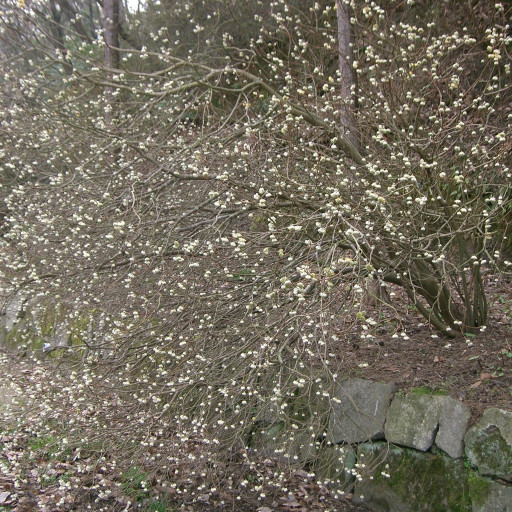
Plant Overview
Often called the "Paperbush," Edgeworthia chrysantha is the crown jewel of the late-winter garden. Before its leaves even think about appearing, this deciduous shrub erupts in clusters of honey-scented, silky yellow blossoms that look like frosted pom-poms hanging from bare, cinnamon-colored branches. In Japan, it is known as "Mitsumata" and has been a staple for centuries in the creation of high-quality traditional paper.
🔍 How to Identify
- 🔱 Branching Pattern: Unlike most plants that fork in two, Edgeworthia branches typically fork into three distinct stems at each junction (trichotomous branching).
- ☁️ Silky Buds: In early winter, the branch tips are adorned with silver, button-like flower buds covered in dense, velvet-like hairs.
- 🌼 Tubular Blooms: The flowers are small, golden-yellow tubes gathered in pendant clusters, with the exterior of each tube covered in fine white "fur."
- leaves Summer Foliage: Long, narrow, bluish-green leaves appear only after the flowers fade, giving the plant a lush, tropical appearance during the warmer months.
🏡 In Your Garden
- 🌱 Root Sensitivity: This plant is notorious for its fragile root system. It develops a deep taproot and hates being moved, so choose its "forever home" carefully—ideally in rich, organic soil that never fully dries out.
- 🌬️ The Scent Factor: Position it near a walkway or entryway. The fragrance is incredibly powerful and sweet, often described as a mix of honey and gardenia, which carries remarkably well on the cool winter air.
- ☂️ Dappled Shade: While it loves bright light, it is a woodland native. In scorching summer climates, it requires protection from the afternoon sun to prevent its large leaves from wilting or scorching.
⚠️ Safety & Toxicity
- 🟢 Status: Generally considered non-toxic.
- 🖐️ Skin Irritation: While not high-risk, the sap of most shrubs in the Thymelaeaceae family can cause mild skin irritation in sensitive individuals. It is always wise to wear gloves when pruning.
- 🐾 Pets: There are no widespread reports of toxicity to cats or dogs, but as with any ornamental shrub, ingestion should be discouraged to avoid digestive upset.
✨ Fun Fact
The inner bark fibers of Edgeworthia chrysantha are so strong and durable that they are used to produce the high-quality paper used for Japanese Yen banknotes. If you are holding a 10,000-yen note, you are likely holding a piece of this plant!

Detailed Care Instructions
To grow an Edgeworthia Chrysantha plant, also known as the paper bush or paperbush plant, follow these steps:
- Location: Choose a suitable location in your garden that receives partial shade to full sun. The plant can tolerate full sun, but it prefers some shade during the hottest part of the day.
- Soil: Edgeworthia Chrysantha prefers well-draining soil that is rich in organic matter. If your soil is heavy or clayey, improve it by adding compost, peat moss, or well-rotted manure. Aim for a slightly acidic to neutral soil pH (around 6.5 to 7.5).
- Planting: Dig a hole that is slightly wider and deeper than the root ball. Gently place the plant into the hole and backfill with soil, ensuring that the top of the root ball is level with or slightly above the ground. Water well after planting.
- Watering: Edgeworthia Chrysantha appreciates regular watering, especially during the establishment period. Keep the soil evenly moist, but avoid waterlogging as it can cause root rot.
- Mulching: Apply a layer of organic mulch, such as wood chips or bark, around the base of the plant. Mulching helps retain moisture, suppresses weeds, and keeps the roots cool.
- Pruning: Minimal pruning is required for Edgeworthia Chrysantha. You can remove any dead or damaged branches in early spring before new growth starts. Avoid heavy pruning as it may inhibit flowering.
- Fertilizing: Apply a balanced slow-release fertilizer in spring to promote healthy growth and flowering. Follow the instructions on the fertilizer package regarding application rates.
- Winter care: Edgeworthia Chrysantha is hardy to USDA zones 7 to 9. If you live in a colder zone, protect the plant during winter by mulching heavily around the base and wrapping it in burlap or frost cloth.
- Propagation: Edgeworthia Chrysantha can be propagated through seed or semi-hardwood cuttings taken in late spring or early summer. Seeds can take several years to flower, while cuttings may yield faster results.
- Pests and diseases: The paperbush plant is relatively pest and disease resistant. However, keep an eye out for aphids, spider mites, or mealybugs. If needed, treat them with insecticidal soap or neem oil.
With proper care and suitable growing conditions, your Edgeworthia Chrysantha plant should thrive and reward you with its fragrant yellow flowers.

Place in a window with dappled sun or a spot in the middle of a room. Or directly in a window facing west or east.

To water this plant, you should first check the moisture level of the soil. Stick your finger about an inch deep into the soil and if it feels dry, it's time to water. Use room temperature water and water thoroughly, making sure the soil is evenly moist. Avoid getting water on the leaves and flowers as this can cause damage and encourage fungal growth. Water regularly, but be careful not to overwater as this can lead to root rot. If the plant is in a container, allow excess water to drain out before returning it to its saucer. In hot or dry weather, you may need to water more frequently.
The recommended fertilizing instructions for this plant include applying a balanced fertilizer with a 10-10-10 ratio in the spring before new growth appears. Apply the fertilizer around the base of the plant and water it in thoroughly. Repeat the application once a month during the growing season, which extends from spring to summer. Avoid fertilizing in the fall and winter to prevent any new growth that may be damaged by frost or cold temperatures.
Edgeworthia Chrysantha requires a well-draining and fertile soil that is high in organic matter content. A soil with a pH range of slightly acidic to neutral is best suited for this plant. The soil should also be kept moist, but not waterlogged, as this could cause root rot and other issues. Using a rich, loamy soil that is free of heavy clay and compaction is ideal for promoting optimal growth and health of the Edgeworthia Chrysantha plant. Additionally, using a layer of mulch around the base of the plant can help to retain moisture and prevent weed growth.
To propagate this plant, take a stem cutting that is several inches long and has several nodes present. Remove any leaves from the bottom part of the stem, leaving only a few at the top. Dip the cut end in rooting hormone and plant it in a well-draining soil mix. Place the cutting in a warm, humid location with bright, indirect light and mist regularly to keep the atmosphere moist. Roots should begin to form in several weeks, and the cutting can be transplanted to a larger container once it has established a healthy root system.








