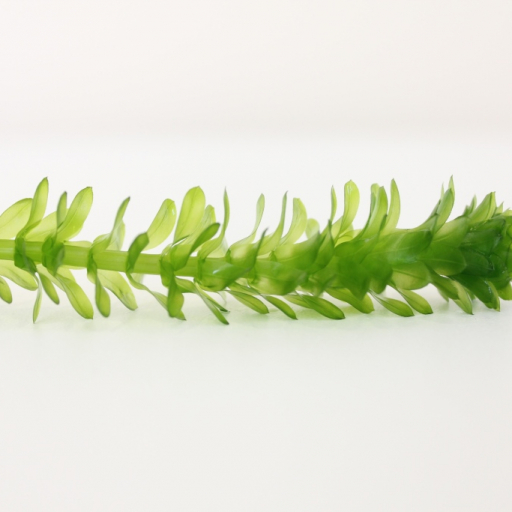
Plant Overview
Often called the "Brazilian Elodea" or "Anacharis," Egeria densa is the quintessential underwater forest-maker. Native to South America, this vibrant green aquatic plant has traveled the world as a favorite for aquarium hobbyists and science teachers alike. It is a powerhouse of oxygenation, acting as a natural filter that keeps pond and tank water crystal clear.
🔍 How to Identify
- 🌿 Leaf Structure: Look for small, strap-shaped leaves that grow in dense "whorls" (circles) around the stem, usually in groups of four to eight.
- 🟢 Color and Texture: The foliage is a deep, rich green and has a slightly translucent, glass-like quality when held up to the light.
- 🌸 Surface Blooms: During the summer, it may send up tiny, three-petaled white flowers that float delicately on the water's surface to catch the air.
🏡 In Your Garden & Aquarium
- 🌊 The Oxygen Factory: This plant is legendary for its ability to pump oxygen into the water while absorbing excess nutrients like nitrates, which helps prevent unsightly algae blooms.
- ✂️ Growth Habits: It doesn't have a traditional root system; it can grow while floating freely or be weighted down into the substrate. Because it grows incredibly fast, you will need to prune it regularly to prevent it from taking over the entire tank.
- ❄️ Temperature Resilience: Unlike many tropical aquatic plants, Egeria densa is surprisingly hardy and can survive in much cooler water, making it a popular choice for outdoor goldfish ponds.
⚠️ Safety & Toxicity
- ✅ Pet & Human Safety: This plant is non-toxic to humans, cats, dogs, and aquatic life. In fact, many herbivorous fish and turtles enjoy nibbling on its tender leaves.
- 🚫 Ecological Warning: While safe for pets, it is a highly invasive species in the wild. Never "release" this plant into local lakes or streams, as it can quickly choke out native ecosystems and clog waterways. Dispose of trimmings in the trash, not down the drain.
✨ Fun Fact
Egeria densa is a superstar in biology classrooms! Because its leaves are only two cells thick, students often use them under microscopes to watch "cytoplasmic streaming"—the literal movement of life inside a cell—as the chloroplasts dance around in real-time.

Detailed Care Instructions
To grow Egeria Densa (also known as Brazilian waterweed), follow these steps:
- Acquire healthy plants: Purchase or obtain Egeria Densa plants from a reputable source or aquarium store. Look for plants with vibrant green leaves and no signs of disease.
- Choose proper conditions: Egeria Densa thrives in freshwater aquariums with a temperature range of 60-82°F (15-28°C). It prefers a pH level between 6.5-7.5 and moderate lighting conditions.
- Planting: Gently remove any gel or rock wool from the roots of the plant. Plant the Egeria Densa into the substrate, making sure the roots are covered but the stem is exposed above the substrate. Space the plants apart to allow for growth.
- Provide suitable lighting: Egeria Densa requires moderate to high lighting levels for optimal growth. Use full-spectrum aquarium lights, typically with a color temperature of around 6500K.
- Maintain water quality: Ensure proper water parameters by regularly testing and adjusting them if necessary. Keep the water clean and free from debris, and perform regular water changes.
- Supplement with nutrients: Egeria Densa benefits from additional nutrients in the water column. You can use a liquid aquarium fertilizer or root tabs to provide them with essential macronutrients and micronutrients.
- Pruning and maintenance: Regularly trim or prune the Egeria Densa to prevent overgrowth. This plant tends to grow quickly, so trimming it back will help maintain its shape and prevent it from blocking light to other plants or becoming too dense.
- Propagation: Egeria Densa can easily propagate through stem cuttings. To propagate, simply trim a healthy stem with leaves intact and replant it into the substrate. The cuttings will develop roots and grow into new plants.
Remember to check your local regulations before growing or disposing of Egeria Densa as it can be invasive in certain areas.

Place in a bright room that is sun drenched almost all day. Or directly in a south-facing window.

To properly water this aquatic plant, you should first ensure that it is growing in a suitable aquatic environment, such as a pond or aquarium. This plant requires constant access to clean, clear water with sufficient nutrients to promote healthy growth.
When watering this plant, avoid letting it dry out completely or become waterlogged. Instead, aim to keep the water level constant, to prevent wilting or drowning. You should ideally provide a steady flow of water with a water pump or filter to ensure good circulation and oxygenation.
If growing Egeria Densa in a smaller container, such as a bowl or vase, be sure to change the water regularly and add plant food or nutrients to maintain a healthy balance. It is also important to monitor the temperature of the water and avoid exposing the plant to extreme fluctuations in temperature. With proper care and attention, this plant can thrive and provide a beautiful, natural accent to your aquatic environment.
To fertilize this aquatic plant, you can use a general-purpose liquid fertilizer that is specifically formulated for aquatic plants. It is best to dilute the fertilizer before adding it to the aquarium, following the instructions on the packaging. Apply the fertilizer once a week or as recommended by the manufacturer. Be careful not to over-fertilize the plant, as excess nutrients can harm both the plant and other aquatic organisms in the tank.
Egeria Densa requires a nutrient-rich substrate with good drainage and a neutral pH. A soil mix that is well-aerated and has a porous texture is ideal. The soil should have a high content of organic matter, such as peat moss or compost, to provide the plant with essential nutrients. Additionally, a mix that contains vermiculite or perlite can help to improve soil aeration and drainage. It is important to avoid using heavy or clay soils, as they can inhibit root growth and cause root rot. Adding a slow-release fertilizer to the soil mix can also provide the plant with essential nutrients over an extended period of time.
Egeria densa can be propagated through stem cuttings. Cut a healthy stem with several leaves at a length of 4-6 inches. Remove the lower leaves and make a clean cut just below a node. Place the cutting in water or moist soil. Ensure that the node is submerged or in contact with the soil. Keep the cutting in a bright area with indirect sunlight and change the water every few days if using water propagation. Roots should develop within a few weeks and the plant can be transplanted into soil once the roots are a few inches long.








