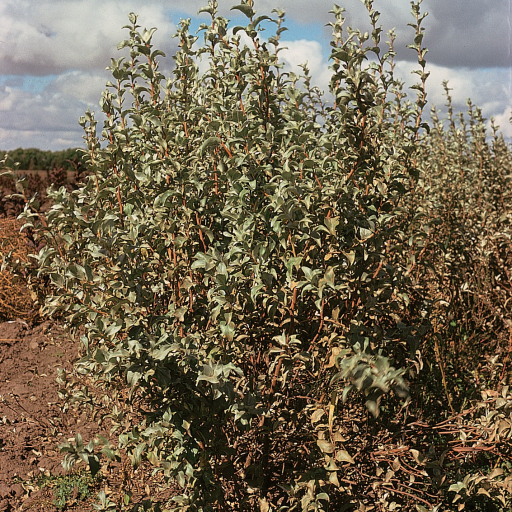
Plant Overview
Often called the "Wolf-willow," Elaeagnus commutata is a shimmering native of North America that looks as though it has been dipped in liquid silver. It is famous for its intoxicatingly sweet, spicy perfume that can drift across an entire field during late spring. This hardy shrub is a favorite for gardeners looking to add a metallic, "moonlight" glow to their landscape while providing a rugged sanctuary for local songbirds.
🔍 How to Identify
- 🍃 Silvery Foliage: The lance-shaped leaves are covered in tiny, specialized scales that give the plant a distinct metallic, grayish-white sheen on both sides.
- 🔔 Yellow Bells: In early summer, small, drooping yellow flowers appear. They lack true petals but possess a powerful, clove-like fragrance that fills the air.
- 🌕 Silver Berries: The fruit is an oval, dry drupe that starts green and matures into a dusty, silvery-grey berry that persists into winter.
🏡 In Your Garden
- 🌱 Nitrogen Fixer: This plant is a "pioneer species." It hosts special bacteria in its roots that pull nitrogen from the air and put it into the earth, actually improving the soil quality for surrounding plants.
- 🌬️ Wind & Weather: Because of its deep root system and tough leaves, it is exceptionally drought-tolerant and wind-resistant, making it a perfect natural hedge or "shelterbelt" for exposed properties.
- 🏃 Spreading Habit: Be aware that it loves to travel! It spreads via underground runners (rhizomes) and can form dense thickets if you don't occasionally prune or edge the area to keep it in check.
⚠️ Safety & Toxicity
- ✅ Status: Non-toxic and generally safe for humans, cats, and dogs.
- 🍒 Edibility: The berries are edible and rich in vitamins A, C, and E. However, they have a very "mealy" or flour-like texture, which is why they are often used in jams or jellies rather than eaten raw.
✨ Fun Fact
The "silver" on the leaves isn't just for show—the plant is covered in microscopic, umbrella-shaped scales. These scales reflect intense sunlight and trap a layer of air against the leaf, helping the plant survive in scorching, dry prairies where other plants would wither.

Detailed Care Instructions
| Lighting | Full Sun |
| Hardiness Zones | Max 6B |
To grow an Elaeagnus Commutata plant, also known as silverberry or wolf willow, follow these steps:
- Choose a suitable location: Select a spot in your garden that receives full sun to partial shade. This plant can tolerate a wide range of soil types, including sandy, loamy, and clay soils.
- Prepare the soil: Ensure the soil is well-drained and moderately fertile. If the soil is heavy clay or poorly draining, consider adding organic matter like compost or aged manure to improve drainage and nutrient content.
- Planting: Dig a hole that is slightly larger than the rootball of the plant. Place the Elaeagnus Commutata in the hole at the same depth it was growing in the nursery container. Backfill the hole with amended soil and gently firm it around the plant.
- Watering: Water the plant thoroughly after planting and continue to water regularly during the first growing season. Once established, Elaeagnus Commutata is fairly drought-tolerant, but occasional deep watering during dry spells is beneficial.
- Mulching: Apply a layer of organic mulch, like wood chips or shredded bark, around the base of the plant to help conserve moisture, regulate soil temperature, and inhibit weed growth. Leave a gap around the stem to avoid moisture buildup, which can cause rot.
- Pruning: Elaeagnus Commutata has a naturally rounded shape but can be pruned to maintain a more compact form or remove dead or damaged branches. Prune in late winter or early spring before new growth appears.
- Fertilization: This plant generally does not require additional fertilization. However, if growth is weak or leaves appear pale, you can apply a balanced slow-release fertilizer in early spring.
- Pests and diseases: Elaeagnus Commutata is generally resistant to pests and diseases. However, occasional aphid infestations and fungal leaf spot diseases may occur. Monitor your plants regularly and treat any issues promptly with appropriate insecticides or fungicides.
- Propagation: You can propagate Elaeagnus Commutata from seeds or by taking softwood cuttings in early summer. Seeds require a period of cold stratification before germinating, so sow them outdoors in the fall or stratify them in the refrigerator for a few weeks before sowing.
Remember to check for any specific growing requirements or recommendations for your specific region or climate, as they can vary.

Place in a bright room that is sun drenched almost all day. Or directly in a south-facing window.

Elaeagnus Commutata plant should be watered moderately, allowing the soil to dry out slightly between waterings. It prefers well-draining soil and can be sensitive to overwatering, so be sure not to let it sit in water for long periods of time. When watering, aim to moisten the entire root zone, which may require deep watering rather than a light sprinkle. Avoid getting water on the leaves, which can cause leaf spotting or other damage. In hot or dry weather, it may require more frequent watering.
For optimal growth, it is recommended to fertilize the Elaeagnus Commutata plant with a balanced fertilizer in early spring before new growth begins. Use a slow-release fertilizer and follow the instructions on the package for application rates. Avoid fertilizing during the dormant season or excessively as it may cause negative effects on the plant's health. Additionally, it is important to maintain adequate soil moisture levels while fertilizing to ensure the plant absorbs the nutrients properly.
When growing Elaeagnus Commutata, it is important to use well-draining soil that is rich in organic matter. The plant prefers soil that is slightly acidic to neutral, with a pH range of 5.5 to 7.0. Soil that is too alkaline can cause nutrient deficiencies in the plant, leading to poor growth and yellowing of leaves.
A mixture of sand, perlite, peat moss, and compost works well as a growing medium for Elaeagnus Commutata. This soil combination provides good drainage, while also retaining moisture and providing nutrients. Adding a slow-release fertilizer to the soil can also help provide the plant with the necessary nutrients for healthy growth.
It is important to avoid using heavy clay soils that do not drain well, as this can lead to root rot. Additionally, soils that are too sandy may not retain enough moisture to support the plant. When planting Elaeagnus Commutata, make sure to loosen the soil around the roots and water the plant regularly to ensure healthy growth.
To propagate this plant, first identify a healthy parent plant with strong roots. Remover a stem cutting from the parent plant, making sure it is at least 4 inches long and includes a couple of leaves. Remove any leaves that are too close to the base of the stem. Dip the cut end of the stem into rooting hormone powder, then insert it into a pot with well-draining soil. Water the soil, then cover the pot with a plastic bag and place it in bright, indirect light. Keep the soil moist and check for roots after 4-6 weeks. Once roots have formed, transplant the cutting into a larger pot or into your garden.








