Plant Overview
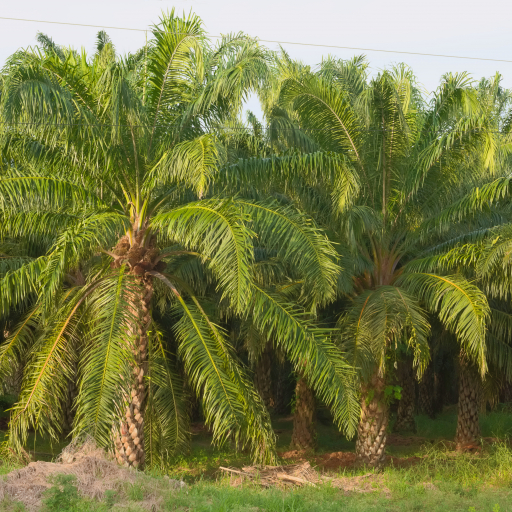
The American Oil Palm, often called "Noli" or the "Creeping Palm," is the lesser-known but highly resilient cousin of the ubiquitous African Oil Palm. Native to the lush tropical rainforests of Central and South America, this palm is prized by botanists not just for its oil, but for its incredible resistance to diseases that often devastate commercial plantations. It carries a more relaxed, sprawling aesthetic compared to the stiff, upright stature of other industrial palms.
🔍 How to Identify
- 🌴 Growth Habit: Unlike its tall African relative, this palm has a "prostrate" trunk, meaning it often creeps along the ground or leans heavily as it ages, creating a low-profile silhouette.
- 🌿 The Fronds: It boasts massive, feathery (pinnate) leaves that can reach up to 15 feet in length, featuring leaflets that are arranged in a single plane, giving the crown a flat, elegant appearance.
- 🍒 The Fruit: It produces dense clusters of small, egg-shaped fruits that turn a vibrant orange-red when ripe. These fruits are smaller and contain less pulp than commercial varieties.
🏡 In Your Garden & Ecology
- 💧 Wetland Warrior: In its natural habitat, this palm loves "wet feet." It is frequently found near riverbanks and swampy lowlands, making it an excellent choice for tropical landscapes with heavy, poorly drained clay soils where other palms might suffer from root rot.
- 🧬 Genetic Goldmine: You’ll rarely find this species in a standard backyard; it is most commonly grown by researchers and breeders. It is frequently cross-bred with the African Oil Palm to create "OxG Hybrids," which are shorter, easier to harvest, and immune to many deadly palm diseases.
⚠️ Safety & Toxicity
- 🌵 Physical Hazard: While the plant is not known to be chemically toxic to humans or pets, it is "armed." The leaf bases and fruit stalks are guarded by sharp, stiff spines that can cause deep puncture wounds if handled without heavy gloves.
- 🐾 Pet Safety: The fruit itself is not considered poisonous, but the large, hard seeds inside could pose a significant choking hazard or cause intestinal blockage if swallowed by a curious dog.
✨ Fun Fact
While the world's most common palm oil is often criticized for its fat profile, the oil from Elaeis oleifera is surprisingly "liquid" at room temperature. It contains a much higher concentration of oleic acid (the same healthy fat found in olive oil) and is packed with more Vitamin E than almost any other palm species!

Detailed Care Instructions
To grow Elaeis Oleifera plant, follow these steps:
- Obtain seeds or seedlings: You can find Elaeis Oleifera seeds or seedlings at local nurseries, garden centers, or online plant stores.
- Choose a suitable planting location: Elaeis Oleifera prefers well-draining soil with a pH range of 5.5-7.0. Select a sunny spot in your garden or a well-lit indoor area if you live in a colder climate.
- Prepare the soil: Loosen the soil and remove any rocks or debris. Mix in organic matter like compost or well-rotted manure to improve soil fertility and drainage.
- Sow the seeds or plant the seedling: If planting seeds, soak them in warm water for 2-3 days to soften the outer shell. Plant the seeds or seedlings at a depth of 1-2 inches in the prepared soil. If using seedlings, make sure to space them adequately, typically around 10-20 feet apart.
- Water regularly: Keep the soil consistently moist, but avoid over-watering. Water deeply whenever the top inch of soil feels dry. Providing a layer of mulch around the base of the plants can help retain moisture and prevent weed growth.
- Provide adequate sunlight: Elaeis Oleifera needs full sun exposure to thrive. Make sure the plant receives at least 6-8 hours of direct sunlight daily. If growing indoors, place the plant near a south-facing window or use grow lights.
- Fertilize periodically: Apply a balanced fertilizer with a ratio like 10-10-10 every 2-3 months during the growing season. Follow the packaging instructions for proper application rates.
- Prune if necessary: Prune any dead or diseased fronds to maintain a tidy appearance and promote healthy growth. Remove any suckers or offshoots that may sprout around the base of the plant.
- Protect from extreme weather: Elaeis Oleifera is sensitive to frost and cold temperatures. If you live in a region with harsh winters, consider growing it in a pot indoors or provide frost protection by covering the plant with a blanket or using a greenhouse.
- Patience and care: Elaeis Oleifera can take several years to mature and produce fruit. Be patient and continue to care for the plant with regular watering, fertilization, and sunlight. Monitor for any pests or diseases and take appropriate measures to control them.
By following these steps and providing proper care, you can successfully grow Elaeis Oleifera plant in your garden or as a potted plant.
To properly water this plant, it is important to check the soil's moisture level regularly. Allow the soil to dry slightly before watering again. When watering, ensure that the water reaches the roots by soaking the soil thoroughly. Avoid over-watering as this can lead to root rot and other issues. Watering frequency may vary depending on the climate, soil type, and location of the plant.
To fertilize the Elaeis Oleifera plant, you should use a balanced fertilizer with equal amounts of nitrogen, phosphorus, and potassium. Apply the fertilizer evenly around the base of the plant, avoiding direct contact with the stem. It is recommended to fertilize the plant every three months during the growing season. Avoid overfertilizing as it can damage the plant and cause it to produce less fruit. Make sure to water the plant thoroughly after fertilizing to help the nutrients reach the roots.
When growing Elaeis Oleifera, it is recommended to use a well-draining soil that is rich in nutrients and has a pH level between 6 and 7. The soil should not be too compact or heavy to allow for proper root growth and adequate water and nutrient absorption. Adding organic matter such as compost or aged manure can further improve soil fertility and texture. It is important to avoid using soil that is too sandy or clay-heavy as this can limit the plant's growth and development. Growing Elaeis Oleifera in a soil that is appropriate for its needs will help ensure healthy growth and a bountiful harvest of fruit.
To propagate this plant, collect ripe fruits from a mature plant and remove the flesh to obtain the seeds. Soak the seeds in water for 24 hours before planting to soften the outer shell and make it easier to remove. Remove the outer layer and plant the seeds in a well-draining soil mixture. Cover with a thin layer of soil and keep the soil moist but not waterlogged. The seeds should germinate within 4-6 weeks. Once the seedlings are big enough, they can be transplanted to larger pots or directly into the ground. They will require regular watering and fertilizer to ensure healthy growth.








