Plant Overview
Known as the Many-flowered Goosegrass, this hardy traveler originally hailed from the high-altitude regions of the Andes in South America. It has since hitchhiked across the globe, often appearing as a persistent, low-profile guest in urban gardens and along roadsides. While it may not have vibrant flowers, its ability to thrive in the most "un-walkable" conditions makes it a fascinating study in botanical resilience.
🔍 How to Identify
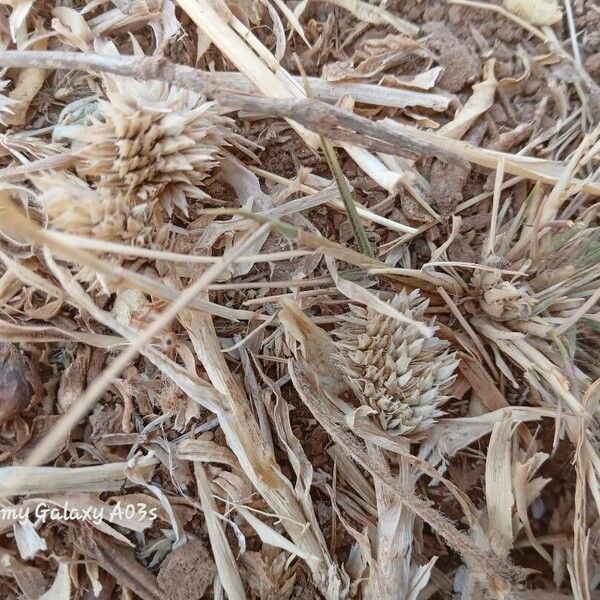
- 🌾 The "Finger" Spikes: The seed heads feature several short, stubby spikes (usually 3 to 10) that radiate from the top of the stem, resembling the splayed toes of a bird.
- 💪 Flattened Base: The stems are notably compressed and tough, often showing a pale, almost silvery-white color near the center of the tuft.
- 🍃 Folded Leaves: Its blades are narrow and often folded along the mid-vein when young, with a dull green color that blends easily into patchy lawns.
🏡 In Your Garden
- 🏗️ The Soil Indicator: Finding this plant is often a sign of soil compaction. It loves "hard" ground where other plants can't breathe, making it a natural indicator that your garden may need a bit of aeration.
- ✂️ Low-Mowing Survivor: Because it grows in a prostrate (flat) tuft, it often ducks right under lawnmower blades, allowing it to go to seed even in frequently manicured yards.
- 🛡️ Resource Competition: While not a "choking" vine, it is a fierce competitor for nutrients in poor soil, quickly establishing a deep root system that makes it difficult to pull out by hand.
⚠️ Safety & Toxicity
- ✅ Generally Safe: There are no known toxic properties associated with Eleusine multiflora for humans or common household pets.
- 🐾 Pet Friendly: It is non-toxic to dogs and cats; however, like any coarse grass, ingesting large amounts may cause minor stomach upset or vomiting in pets.
- 🌾 Allergy Alert: As a member of the Poaceae family, its wind-borne pollen can be a trigger for seasonal hay fever sufferers during its peak flowering window.
✨ Fun Fact
While Eleusine multiflora is considered a wild grass, its close cousin, Eleusine coracana (Finger Millet), is a vital ancient grain that has been cultivated for over 5,000 years, providing a primary food source for millions of people in Africa and India!

Detailed Care Instructions








