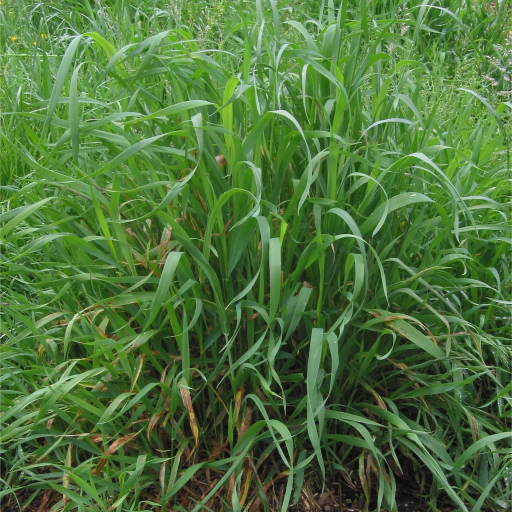
Plant Overview
Often called the "Grass of a Thousand Names," Elytrigia repens is better known to frustrated gardeners as Quackgrass, Couch Grass, or Twitch. While it is frequently dismissed as a stubborn weed, this plant is a biological marvel of resilience. Native to Europe and Asia, it has successfully traveled the globe, earning a reputation as one of the most difficult plants to eradicate from a flower bed.
🔍 How to Identify
- 🌾 The "Claw" (Auricles): If you pull back a leaf blade where it meets the stem, you’ll see two tiny, ear-like appendages that clasp around the stalk like a tiny pair of pincers.
- 🌿 Twisted Leaves: The blades are long, flat, and often have a slight blue-green tint with a distinct "twist" as they grow upward.
- 🧶 White Runners: The most defining feature is underground. It produces thick, sharp, white rhizomes (underground stems) that look like tangled noodles and can pierce through potato tubers or even soft wood.
🏡 In Your Garden
- ⚔️ Chemical Warfare: Quackgrass isn't just taking up space; it practices "allelopathy." It releases specialized chemicals into the soil that stunt the growth of nearby plants, effectively clearing out the competition.
- 🚜 The Multiplication Trap: Never use a rototiller to get rid of this plant. Every tiny segment of a broken rhizome contains a node capable of regenerating into a whole new plant. Tilling actually helps it spread faster by "planting" hundreds of new cuttings.
⚠️ Safety & Toxicity
- ✅ Non-Toxic: This grass is generally safe and non-toxic for humans, dogs, and cats.
- 🐕 Natural Emetic: You will often see dogs and cats purposefully seeking out these coarse leaves to chew on; the rough texture helps them clear their digestive tracts.
- 🤧 Pollen Warning: While the plant itself is safe to touch, it produces high amounts of wind-borne pollen in mid-summer, which is a common culprit for seasonal hay fever and respiratory allergies.
✨ Fun Fact
In historical herbalism, the dried and ground roots of Quackgrass were used as a survival food during famines. When roasted, the rhizomes have a slightly sweet, nutty flavor and were once used as a popular caffeine-free substitute for coffee!

Detailed Care Instructions
To grow Elytrigia repens, also known as couch grass or quackgrass, you can follow these steps:
- Soil Preparation: Choose a sunny spot with well-draining soil. If the soil is heavy, amend it with compost or organic matter to improve drainage and fertility. Clear the area of any weeds or grasses before planting.
- Planting: Elytrigia repens can be grown from seeds or rhizomes (underground stems). If using seeds, sow them in early spring when the soil is warm. If using rhizomes, you can either purchase them from a nursery or dig up a small section of an established plant. Plant seeds or rhizomes at a depth of about 1-2 inches (2.5-5 cm) in rows or evenly spaced.
- Watering: Keep the soil moist but not waterlogged during the germination period. Once the plants are established, water them regularly, especially during dry spells. Avoid overwatering, as Elytrigia repens prefers drier soil conditions once established.
- Mulching: Apply a layer of organic mulch, such as straw or wood chips, around the plants. This helps retain moisture, suppresses weed growth, and enhances soil fertility.
- Maintenance: Regularly remove any weeds that may appear around the plants, as Elytrigia repens can quickly spread and become invasive. Hand pulling or cultivation can be effective in controlling its growth. Avoid using herbicides unless absolutely necessary, as they may harm nearby desirable plants.
- Division: Over time, Elytrigia repens can become crowded and form dense clumps. To prevent overcrowding and maintain vigorous growth, you can divide the plants every few years. Dig up the clumps, carefully separate the rhizomes, and replant the divided sections.
- Harvesting: If you are growing Elytrigia repens for culinary or medicinal purposes, you can harvest the young shoots in early spring when they are tender. However, be cautious as the plants' invasive nature can quickly take over a garden if not managed properly.
Remember to check with your local gardening authorities or experts to ensure that growing Elytrigia repens is permitted in your region, as it is considered a weed or invasive species in some areas.
To properly water this plant, first ensure that the soil is thoroughly dry to the touch. Then, slowly pour water around the base of the plant, avoiding getting water on the leaves if possible. It is important to not overwater the plant, as this can cause root rot. Instead, allow the soil to dry out slightly between watering sessions. Additionally, it is best to water the plant in the morning or early afternoon to ensure that any excess moisture has time to evaporate before nightfall.
To provide optimal nutrition for this plant species, it is recommended to apply a balanced fertilizer with a nitrogen, phosphorus, and potassium (NPK) ratio of 10-10-10. The fertilizer should be applied during the early growth stages and again during the active growing season. The application rate should be based on the age and size of the plant, with younger or smaller plants requiring less fertilizer than mature or larger plants. It is important to follow the manufacturer's instructions and not over-fertilize, as this can lead to excessive foliage growth and reduced root development. Regular watering and organic matter addition can also help boost nutrient uptake and promote healthy growth.
Elytrigia Repens plant prefers loamy soil that is well-draining and has a slightly acidic to neutral pH level. It should be rich in organic matter and have a good moisture-retention capacity. It is recommended to mix the soil with coarse sand or perlite to improve drainage. The soil should be thoroughly moistened before planting. It is important to avoid using soil that is heavy in clay or compacted, as this can impede root growth and cause the plant to become stressed. Additionally, it is best to avoid using soil that contains high levels of salts or other contaminants, as this can also harm the plant. Regular fertilization and watering can help to maintain healthy soil conditions for the Elytrigia Repens plant.
The propagation process of Elytrigia Repens plant can be done by dividing its rhizomes. Firstly, dig up the plant and remove any excess soil to expose the underground rhizome system. Using a pruner or sharp knife, carefully cut through the rhizomes into sections, making sure that each section has at least one leaf and a segment of the rhizome.
After dividing the rhizomes, each division should be replanted immediately in a soil mix that is well-draining, fertile and moist. The depth of planting should be no deeper than the division was originally growing. Water thoroughly and continue to keep the soil moist.
It is important to note that Elytrigia Repens plant is known for its invasive nature, so care should be taken when propagating this plant. It is recommended to plant the divisions in a contained area or in a pot to prevent it from spreading wildly.








