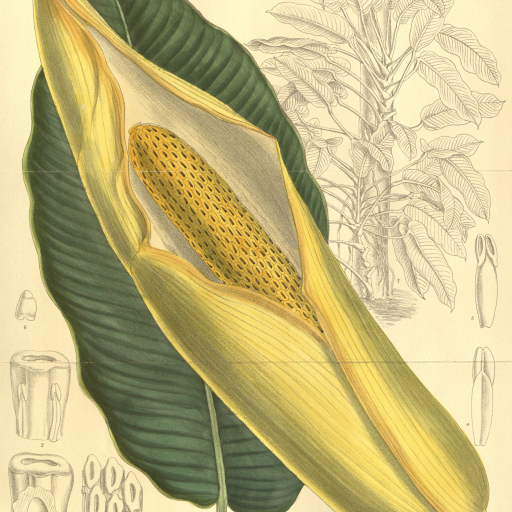
Plant Overview
Often called the Giant Pothos or the Elephant Ear Pothos, Epipremnum giganteum is the titan of its genus. While its smaller cousins dangle from bookshelves, this Southeast Asian native is a true skyscraper, designed by nature to scale tropical canopy trees. In the wild, its massive, leathery leaves can easily reach the size of a human torso, bringing an immediate "Jurassic Park" aesthetic to any indoor jungle.
🔍 How to Identify
- 🍃 Leaf Shape: Unlike the heart-shaped leaves of the common Golden Pothos, these are elongated, lance-shaped (oblong), and can grow incredibly thick and leathery.
- 📏 Size & Scale: In a home setting, leaves typically range from 1 to 2 feet long, but they lack the "fenestrations" (holes) found in Monsteras, maintaining a solid, architectural silhouette.
- 🌿 The Petiole: The leaf stalks (petioles) feature a distinct sheath that runs almost the entire length, often leaving behind a papery, brown edge as the leaf matures.
🏡 In Your Garden
- 🧗 The Need to Climb: This plant is an obligate climber. To see those "giganteum" leaves, you must provide a sturdy moss pole or cedar plank. Without a vertical surface to grip with its air roots, the plant will produce smaller, trailing foliage as it "searches" for a tree.
- ☀️ Light Strategy: Because it naturally climbs toward the sun, it craves bright, indirect light. If kept in a dark corner, it won't just grow slowly—it will actively "stretch," losing its compact, tropical look and causing the leaves to shrink in size.
⚠️ Safety & Toxicity
- 🐾 Status: Toxic to pets and humans.
- 🚫 Details: Like most members of the Araceae family, it contains insoluble calcium oxalate crystals. If chewed or swallowed, it causes immediate mouth irritation, swelling of the throat, and digestive upset. Keep it high on a shelf or mounted on a wall away from curious cats and toddlers.
✨ Fun Fact
In its natural habitat in the rainforests of Thailand and Malaysia, Epipremnum giganteum can reach heights of over 60 feet! It is so physically heavy when mature that it has been known to pull down smaller or weakened trees under its own weight.

Detailed Care Instructions
To grow an Epipremnum Giganteum plant, also known as a Giant Pothos or Devil's Ivy, you can follow these steps:
- Choose a healthy cutting: Look for a mature and healthy stem cutting with at least three to four nodes. Nodes are the points where leaves sprout.
- Prepare the cutting: Trim the cutting just below a node using a sharp, sterile knife or scissors. Remove any leaves from the lower two-thirds of the cutting.
- Root the cutting in water: Place the cutting in a glass jar or bottle filled with water. Make sure the nodes are submerged in water, and keep the jar in a well-lit area, away from direct sunlight. Change the water every few days to prevent it from becoming stagnant.
- Wait for roots to grow: After a few weeks or more, you should see roots starting to grow from the nodes. Once the roots reach a couple of inches in length, it's time to transplant.
- Prepare the pot: Choose a well-draining pot with a drainage hole at the bottom. Fill the pot with a well-draining potting mix or a mixture of soil, perlite, and peat moss.
- Plant the cutting: Make a small hole in the soil and gently place the rooted cutting into it. Cover the roots with soil and lightly press to secure the plant.
- Provide appropriate light: Epipremnum Giganteum plants prefer bright, indirect light. Avoid placing them in full sun as it can scorch the leaves. A north or east-facing window is usually ideal.
- Water properly: Water the plant thoroughly when the top inch of the soil feels dry to the touch. Ensure excess water drains out through the bottom hole to prevent waterlogging.
- Maintain humidity: These plants appreciate a moderately humid environment. You can mist the leaves with water occasionally or place a tray of water near the plant to increase humidity.
- Fertilize regularly: Feed the plant with a balanced houseplant fertilizer diluted to half strength every 4-6 weeks during the growing season (spring and summer).
- Prune when needed: Epipremnum Giganteum plants can become quite large and bushy. Pruning helps maintain their shape and promotes new growth. Trim back any leggy or damaged stems and regularly remove yellowing or dead leaves.
With proper care, your Epipremnum Giganteum plant should thrive and grow into a beautiful, trailing vine.

Place in a window with dappled sun or a spot in the middle of a room. Or directly in a window facing west or east.

Epipremnum Giganteum is a popular houseplant that requires appropriate watering to thrive. To water this plant, gently pour water at the base of the plant so that it reaches the roots. Avoid getting water on the leaves, as this can cause damage or invite pests.
It is important not to overwater the plant, as this can lead to root rot and other issues. Check the soil regularly to determine when it needs to be watered. The soil should be moist but not waterlogged.
Consider using a pot with drainage holes to allow excess water to drain away from the roots. If the plant is in a container without drainage holes, be careful not to let water accumulate at the bottom of the pot.
In general, Epipremnum Giganteum needs to be watered more frequently during the growing season and less frequently during the dormant season. Adjust your watering schedule accordingly.
To properly fertilize this plant, use a balanced fertilizer with equal parts of nitrogen, phosphorus, and potassium. Dilute the fertilizer to half strength and add it to the soil every two weeks during the growing season. During the dormant season, fertilize once a month. Avoid over-fertilizing as it can cause damage to the roots and foliage.
Epipremnum Giganteum plants thrive in well-draining soil that is rich in nutrients. The soil should be able to retain moisture without becoming waterlogged. A mixture of organic compost, peat moss, and perlite is an excellent option for this plant. The compost supplies nutrients, the peat moss retains moisture, and the perlite improves drainage. Additionally, the soil should be mildly acidic with a pH level between 6.0 and 7.5. It is advisable to avoid soils that contain heavy amounts of clay or sand as they can compromise the plant's growth and development. The ideal type of soil for Epipremnum Giganteum plants should be light, fluffy, and well-aerated to promote healthy root development.
To propagate this plant, you will need a healthy mature plant that is at least a few years old. Choose a stem that has at least three leaves and cut it at a 45-degree angle. Make sure that the stem is at least 6 inches long and that there are no pests or diseases on the plant.
Remove the bottom few leaves from the stem and dip the cut end in rooting hormone powder. Plant the stem in a well-draining soil mix and water it thoroughly. Cover the plant with a clear plastic bag or plastic wrap to create a humid environment.
Place the newly propagated stem in a warm and bright spot, but avoid direct sunlight. Keep the soil moist but not waterlogged, and mist the plant regularly to maintain high humidity.
In about four to six weeks, the plant should start to develop new roots and begin to grow. Once it has established roots and new growth, you can remove the plastic covering and treat it like a mature plant.
Common pests of the epipremnum giganteum include Scale insect, mealybugs, spider mites, fungus gnats, thrips. Make a habit of checking your epipremnum giganteum frequently for pests so that any infestations can be caught and managed early.








