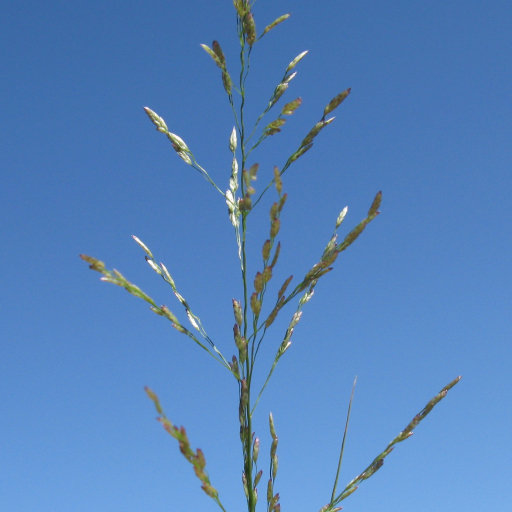
Plant Overview
Known as Mexican Lovegrass, this delicate and airy plant is a master of movement, transforming a stiff garden into a swaying landscape with the slightest breeze. Native to North and Central America, it is often seen as a "romantic" grass due to its ethereal, cloud-like seed heads that shimmer in the late summer sun. Whether found in a wild meadow or a curated rock garden, it brings a touch of wild, untamed beauty to its surroundings.
🔍 How to Identify
- 🌾 The Seed Heads: Features highly branched, open panicles that look like a fine purple-to-grey mist floating above the foliage.
- 🌱 Growth Habit: A tufted annual grass that grows in neat, upright clumps, typically reaching between 1 to 3 feet in height.
- 🍃 The Leaves: Long, narrow blades that are flat or slightly rolled, presenting a soft green to blue-green hue.
🏡 In Your Garden
- 🏜️ Tough as Nails: This grass thrives in "difficult" spots where other plants fail, particularly in sandy, gravelly, or disturbed soils. It is exceptionally drought-tolerant once established.
- 🌬️ Pioneer Spirit: Because it is an annual that produces many seeds, it can jump around the garden. It is perfect for filling gaps quickly, but you may want to pull unwanted seedlings in spring to keep it from taking over.
- 🌾 Self-Sustaining: It doesn't require heavy feeding; in fact, too much fertilizer can make the stems "floppy." It prefers the "tough love" of lean soil and plenty of sunshine.
⚠️ Safety & Toxicity
- ✅ Safe Choice: Mexican Lovegrass is generally considered non-toxic to humans, dogs, and cats.
- 🤧 Allergy Note: Like most grasses, it produces fine pollen during its blooming season, which may trigger hay fever in sensitive individuals.
- 🐾 Mechanical Irritation: While not poisonous, the dried seed heads can occasionally get caught in long pet fur or irritate sensitive ears and paws if they become very dry and "pokey."
✨ Fun Fact
The genus name Eragrostis is derived from the Greek words "Eros" (the god of love) and "agrostis" (grass), which is why members of this family are universally known as the "Lovegrasses."

Detailed Care Instructions
To grow Eragrostis mexicana, also known as Mexican love grass, you can follow these steps:
- Choose the right location: Mexican love grass thrives in full sun to partial shade. Pick a location in your garden that receives at least 4-6 hours of direct sunlight per day.
- Prepare the soil: E. mexicana prefers well-drained soil. Loosen the soil with a garden fork or tiller and remove any weeds or rocks.
- Sow the seeds: You can sow the seeds directly into the prepared soil. Scatter the seeds evenly over the area and lightly press them into the soil. Avoid burying them too deeply, as they require light to germinate.
- Water regularly: Keep the soil moist but not waterlogged until the seeds germinate and the plants establish. Water deeply once or twice a week during the growing season, especially during hot and dry periods.
- Control weeds: Regularly remove any weeds that may compete with the plants for nutrients and water. Hand-pulling or shallow cultivation are effective weed control methods.
- Trim or mow: Once the plants reach a height of about 3 inches, you can trim or mow them down to encourage a denser growth habit. However, avoid cutting them too short, as this may weaken the plants.
- Fertilize sparingly: Mexican love grass generally doesn't require much fertilization. A balanced slow-release fertilizer applied in early spring can provide the necessary nutrients for healthy growth.
- Monitor for pests and diseases: While E. mexicana is generally pest and disease resistant, keep an eye out for any signs of damage or abnormalities. Treat accordingly if pests or diseases are identified.
- Enjoy the grass: Mexican love grass adds an ornamental touch to any garden with its delicate foliage and attractive seed heads. You can leave the grass as is or use it for decorative purposes.
Remember to check your local gardening guidelines and recommendations specific to your region for the best practices to grow Eragrostis mexicana successfully.
Eragrostis Mexicana is a plant that belongs to the Eragrostis genus. It requires regular watering to ensure its healthy growth. Here are some detailed guidelines on how to water this plant effectively:
- Watering frequency: Eragrostis Mexicana prefers a consistent level of moisture in its soil. Water the plant deeply and thoroughly, allowing the water to reach the root zone. To determine when to water, monitor the top inch of the soil regularly. If it feels dry to the touch, it is time to water.
- Watering method: Preferably, use a watering can or a hose with a gentle spray nozzle to water the Eragrostis Mexicana. This will ensure that the water reaches the base of the plant without causing damage or erosion of soil.
- Water quantity: When watering Eragrostis Mexicana, aim to provide sufficient moisture to penetrate the entire root zone. Apply water until you see it draining from the bottom of the pot or until the soil feels evenly moist, but not waterlogged.
- Time of watering: Water your Eragrostis Mexicana early in the day to allow excess moisture on the leaves to evaporate during the daytime. This helps prevent the growth of fungal diseases caused by prolonged leaf wetness.
- Environmental considerations: Outdoor Eragrostis Mexicana plants may require additional watering during hot, dry periods or if they are exposed to direct sunlight for extended periods. Indoor plants may also need more frequent watering if the environment is particularly dry or if they are placed near sources of heat.
- Soil type: Eragrostis Mexicana prefers well-draining soil that retains enough moisture to sustain the plant but does not become waterlogged. Prioritize a soil mix that does not compact easily and allows for proper airflow to the roots.
- Mulching: Applying a layer of organic mulch around the base of the plant can help retain soil moisture and protect the roots from extreme temperatures. Mulching also aids in preventing weed growth, which can compete for water and nutrients.
Remember, every plant's water requirements may vary depending on factors like climate, humidity, and plant size. Observe your Eragrostis Mexicana closely, and adjust your watering routine accordingly to ensure its overall health and vitality.
To properly fertilize the Eragrostis Mexicana plant:
- Choose a balanced, slow-release fertilizer with an NPK ratio of 10-10-10 or 14-14-14. This will provide a good mix of essential nutrients.
- Apply the fertilizer in early spring, just as new growth begins. This timing allows the plant to utilize the nutrients effectively.
- Follow the package instructions for the recommended dosage based on the size of your plant and pot or garden bed. Avoid over-fertilizing, as it can lead to nutrient burns or excessive foliage growth.
- Sprinkle the fertilizer evenly around the base of the plant, keeping it a few inches away from the stems or trunk. Be careful not to let it touch the foliage, as it can cause leaf burn.
- Gently work the fertilizer into the topsoil using a small garden rake or your fingers. Be careful not to damage the plant's root system.
- Water the plant thoroughly after applying the fertilizer. This helps to activate the nutrients and ensure they reach the roots. However, avoid excessive watering, as it can lead to leaching of the nutrients.
- Repeat the fertilizer application once or twice during the growing season, following the same dosage and application instructions. However, be cautious about fertilizing too late in the season as it may promote new growth, which can be vulnerable to cold temperatures.
Remember to always read and follow the specific instructions on the fertilizer packaging, as different brands and formulations may have slightly different guidelines.
The ideal soil type for Eragrostis Mexicana plants is a well-draining soil that is rich in organic matter. It is recommended to use a loamy soil mixed with compost or well-rotted manure to provide the plant with essential nutrients and to improve drainage. Additionally, the soil should have a slightly acidic to neutral pH level to ensure optimal growth and development. A pH range between 6.0 and 7.0 is generally recommended. This type of soil composition allows Eragrostis Mexicana plants to establish well and thrive, promoting healthy root growth and overall plant vigor.
To propagate Eragrostis Mexicana plant, you can follow these steps:
- Start by gathering mature seeds from the plant. Look for fully developed seed heads that have turned brown or tan in color.
- Prepare a potting mix that is well-drained and nutrient-rich. A mix of equal parts perlite, sand, and peat moss can work well. Fill a small pot or seed tray with this mixture.
- Sow the Eragrostis Mexicana seeds on the surface of the potting mix. Gently press them into the soil, ensuring good contact. Avoid burying them too deep, as this can inhibit germination.
- Water the seeds gently using a fine mist sprayer or a watering can with a narrow spout. Ensure that the soil remains consistently moist but not overly saturated. Use a clear plastic cover or a plastic bag to create a mini greenhouse effect, which can help retain moisture.
- Place the pot or seed tray in a warm location with indirect sunlight. Eragrostis Mexicana prefers temperatures between 70-80°F (21-27°C) for optimal germination. A bright windowsill or a greenhouse with filtered light can be suitable.
- Regularly check the moisture level of the soil and mist if necessary. Avoid overwatering, as it can lead to rotting of the seeds or young seedlings.
- Germination can take anywhere from 1-3 weeks. Be patient and provide the seeds with consistent care.
- Once the seedlings have developed 2-3 true leaves, they can be transplanted into individual pots or a larger container filled with a well-draining potting mix.
- Gradually acclimate the young plants to outdoor conditions by exposing them to increasing amounts of sunlight over a period of 1-2 weeks. Start with a few hours in the morning or evening and gradually increase the duration.
- When the Eragrostis Mexicana plants have become well-established and strong, they can be transplanted into the final growing location outdoors. Ensure the site provides full to partial sunlight and well-drained soil.
By following these steps, you can successfully propagate Eragrostis Mexicana plant from seeds.








