Plant Overview
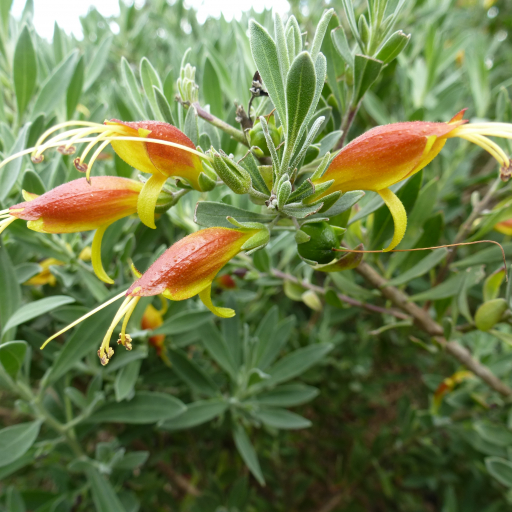
Known affectionately as the Common Emu Bush or Tar Bush, Eremophila glabra is an Australian icon that brings the resilient spirit of the Outback to your garden. This plant is a true shapeshifter, appearing as anything from a silvery, low-growing groundcover to a lush, upright green shrub. Its name, derived from Greek, literally means "desert lover," perfectly capturing its ability to thrive in the face of heat and drought.
🔍 How to Identify
- 🍃 Foliage Variance: The leaves are a hallmark of its adaptability; they range from a striking, velvet-like silver to a deep, waxy green. Silver-leafed varieties often have a "fuzzy" texture to reflect the harsh sun.
- 🎺 Nectar Tubes: The flowers are distinctly tubular and slightly curved, appearing individually in the leaf axils. They are specifically shaped to accommodate the long, slender beaks of nectar-feeding birds.
- 🌈 Color Palette: This species boasts an incredible range of floral colors, including fiery reds, sunshine yellows, burnt oranges, and even rare, translucent greens.
🏡 In Your Garden
- 🏜️ Drainage is King: While it is "tough as nails" regarding heat and frost, it is highly sensitive to humidity and "wet feet." In the garden, it demands sandy or gravelly soil and an open, sunny spot to prevent root rot.
- 🐦 A Wildlife Hub: This is a must-have for bird lovers. It acts as a primary canteen for honeyeaters and other pollinators, turning your garden into a bustling hub of activity during the blooming season.
- ✂️ Pruning Nuance: Unlike some desert plants, it responds beautifully to a light prune after flowering. This helps maintain a dense, tidy shape and prevents the plant from becoming "leggy" or woody over time.
⚠️ Safety & Toxicity
- ✅ Generally Safe: Eremophila glabra is considered non-toxic to humans and common household pets like dogs and cats.
- 🌿 Skin Sensitivity: While not poisonous, the fine, dense hairs on the silvery-leafed varieties can occasionally cause mild mechanical irritation for people with very sensitive skin during heavy pruning.
✨ Fun Fact
Indigenous Australians have used the Emu Bush for thousands of years. It is considered one of the "Top 5" most important medicinal plants, used in traditional smoking ceremonies to promote healing and to create medicinal washes for skin conditions.

Detailed Care Instructions
| Humidity | Normal |
| Difficulty | Medium |
| Temperature | 20°C - 30°C |
| Hardiness Zones | 9A - 11 |
To grow Eremophila Glabra, also known as Emu Bush or Tar Bush, you can follow these steps:
- Climate and soil: Ensure that you have the appropriate climate and soil conditions for Eremophila Glabra. It thrives in arid or semi-arid regions with well-draining soil. It is native to Australia and can tolerate heat and drought.
- Propagation: Eremophila Glabra can be grown from seeds or cuttings. If using seeds, scarify them by gently rubbing them with sandpaper or soaking them in hot water for a few hours before planting. For cuttings, take a 4-6 inch long cutting from a healthy plant and remove the lower leaves. Dip the cut end in rooting hormone and plant it in a well-draining potting mix.
- Planting: Choose a sunny location for planting your Eremophila Glabra. Dig a hole slightly larger than the root ball of the plant. Place the plant in the hole, ensuring that the top of the root ball is level with or slightly above the soil surface. Backfill the hole with soil, gently firming it around the plant.
- Watering: Initially, water the plant regularly to establish roots. Once it is established, Eremophila Glabra is drought-tolerant and requires minimal watering. Water deeply but infrequently, allowing the soil to dry out between waterings.
- Pruning: Eremophila Glabra responds well to pruning. Prune it lightly to maintain a compact and bushy shape. Pruning can also help stimulate more flowering.
- Fertilizing: Eremophila Glabra is adapted to low-nutrient conditions, so it generally does not require much fertilization. However, you can apply a balanced slow-release fertilizer in spring to promote healthy growth.
- Pests and diseases: Eremophila Glabra is generally pest and disease resistant. However, keep an eye out for common garden pests such as aphids or spider mites. Treat any infestations promptly to prevent damage.
Remember to research the specific requirements of your Eremophila Glabra cultivar as some varieties may have slightly different growing preferences.

Place in a window with dappled sun or a spot in the middle of a room. Or directly in a window facing west or east.

To effectively water the Eremophila Glabra plant, it is essential to consider the specific watering requirements of this species. Here are some detailed guidelines:
1. Soil Moisture: Before watering, always check the soil moisture level. Eremophila Glabra plants prefer well-draining soil, so ensure that the soil is slightly dry before you proceed with watering.
2. Frequency: The watering frequency can vary depending on the climate, season, and location. However, as a general rule, watering once or twice a week during the hot summer months is recommended. In cooler months or during dormancy, reduce the frequency to once every two to three weeks.
3. Watering Technique: Instead of applying water from above, use a drip irrigation system or a soaker hose. This method delivers water directly to the plant's root zone, minimizing water evaporation and preventing wet foliage, which can lead to fungal diseases.
4. Amount of Water: When watering, it is important to deliver enough water to penetrate the root zone without causing waterlogging. Aim to mimic a natural rain shower by providing a deep watering. Ensure that the soil receives adequate moisture, at least 6-8 inches deep, to encourage root growth.
5. Time of Day: Watering in the early morning or late afternoon is ideal. Avoid watering during the hottest part of the day to prevent excessive water loss through evaporation and minimize the risk of leaf scorching.
6. Leaf Observation: Keep an eye on the plant's leaves for signs of wilting or stress. If the leaves appear droopy or start to turn slightly yellow, it may be an indication that the plant requires water. Adjust the watering frequency accordingly, ensuring not to overwater and cause root rot.
7. Mulching: Apply a layer of organic mulch, such as wood chips or straw, around the base of the plant. This helps to retain soil moisture, regulate soil temperature, inhibit weed growth, and prevent rapid evaporation.
Remember that these guidelines are general recommendations, and it is always beneficial to observe your specific Eremophila Glabra plant's response to watering. Adjust the watering routine as needed based on the individual plant, environmental conditions, and signs of plant stress or growth.
To fertilize Eremophila Glabra plant, follow these instructions:
- Choose a balanced, slow-release fertilizer specifically formulated for native plants.
- During the plant's active growing season (usually spring and summer), apply the fertilizer sparingly, following the package instructions.
- Prior to applying the fertilizer, water the plant thoroughly to ensure the soil is moist.
- Scatter the granules evenly around the base of the plant, avoiding direct contact with the stems or foliage.
- Gently work the fertilizer into the top layer of soil using a hand cultivator or rake.
- Water the plant again after fertilizing to help distribute the nutrients into the root zone.
- Repeat the process once or twice a year, preferably in early spring and late summer, taking care not to over-fertilize.
It's important to note that the specific fertilizing needs of Eremophila Glabra may vary depending on factors such as soil quality, climate, and sunlight exposure. Always monitor the plant's response to the fertilizer and adjust the frequency or amount as needed.
Eremophila Glabra plants thrive in well-draining soil that is specifically formulated for arid or desert plants. The soil should ideally be sandy or loamy to mimic the natural conditions of the plant's native habitat. It is important that the soil is not heavy or water-retentive, as overly moist conditions can lead to root rot and other issues.
A suitable soil mix for Eremophila Glabra plants often consists of components such as sandy soil, perlite, and coarse sand. These ingredients promote good drainage and prevent waterlogging. Additionally, incorporating organic matter like compost or well-rotted manure into the soil can provide essential nutrients and improve its overall quality.
When selecting soil for Eremophila Glabra plants, it is generally recommended to avoid using heavy clay soils, as they tend to retain water for extended periods. This can result in root rot, which can be detrimental to the plant's health. Additionally, acidic or alkaline soils may not be ideal for this plant species, so a neutral pH level is preferred.
Regularly monitoring the moisture level of the soil is crucial for maintaining a healthy Eremophila Glabra plant. It is advisable to water the plant thoroughly and allow the soil to dry out partially between watering sessions to prevent excessive moisture in the root zone.
In conclusion, providing Eremophila Glabra plants with well-draining, sandy or loamy soil that allows for proper root aeration and effective moisture management is essential for their overall growth and well-being.
Eremophila glabra is a popular plant species known for its various common names. To propagate this plant, you can follow these steps:
- Select a healthy parent plant: Choose a mature and healthy Eremophila glabra plant with no signs of diseases or pest infestations. This will ensure that the propagated plant inherits favorable qualities.
- Choose the propagation method: Eremophila glabra can be propagated through several methods, including seed propagation, stem cuttings, and layering. Each method has its own benefits and success rates, so choose the one that suits you best.
- Seed propagation: Collect ripe seeds from the parent plant by picking the seed capsules once they have turned brown and dry. Sow the seeds in a well-draining potting mix, covering them lightly with soil. Place the pot in a warm and brightly lit area, keeping the soil consistently moist. Germination usually occurs within a few weeks to a couple of months, depending on the conditions. Once the seedlings are large enough, transplant them into individual containers.
- Stem cuttings: Take 4-6 inches long stem cuttings from the parent plant, preferably in early spring or late summer. Remove the lower leaves and dip the cut end into a rooting hormone powder to promote root development. Plant the cuttings in a well-draining potting mix and place them in a warm and bright location, avoiding direct sunlight. Maintain moisture levels by misting regularly and cover them with a plastic bag or a propagator to create a humid environment. After a few weeks to a couple of months, the cuttings should root and can be transferred to individual pots.
- Layering: Select a low-growing branch of the parent plant that can comfortably touch the ground. Make a small cut on the underside of the branch where it touches the soil. Ideally, remove a small section of bark and apply a rooting hormone to encourage root growth. Place the wounded part of the branch on the ground and secure it with a U-shaped wire or a small rock. Cover the wounded section with soil, leaving the rest of the branch exposed. Water the area regularly and wait for roots to develop, usually within a few months. Once established, detach the new plant from the parent and transfer it to a suitable container.
- Provide appropriate care: Once the new plants are transferred to individual pots or the desired planting location, ensure they receive proper care. Eremophila glabra prefers well-draining soil, ample sunlight, and moderate watering. Protect them from extreme temperatures and monitor for any signs of pests or diseases.
By following these propagation techniques and providing adequate care, you can successfully propagate Eremophila glabra plants and enjoy their unique beauty in your garden or indoor space.








