Plant Overview
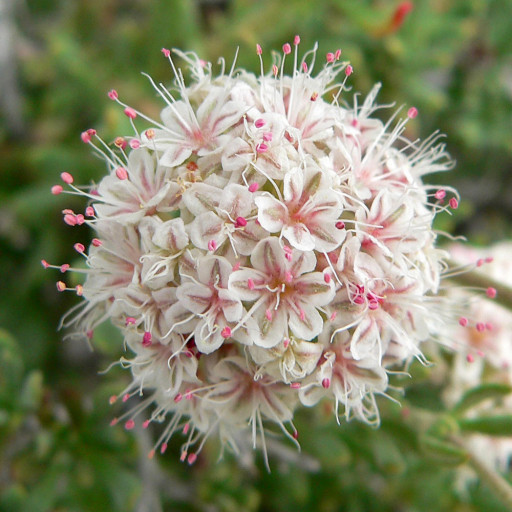
Known as the backbone of the California chaparral, Eriogonum fasciculatum—commonly called California Buckwheat—is a rugged survivalist with a heart of gold. This sun-loving shrub is famous for its transition from delicate snowy-white blossoms in the spring to deep, rusty chocolate tones in the autumn. It is arguably the most important pollinator plant in its native range, acting as a bustling "interstate rest stop" for hundreds of species of bees, butterflies, and wasps.
🔍 How to Identify
- 🌿 Leaf Clusters: The narrow, needle-like leaves are "fascicled," meaning they grow in tight, pom-pom-like bundles along the stems rather than individually.
- 🌸 Pom-Pom Blooms: Tiny white-to-pink flowers bunch together in flat-topped, umbrella-like clusters that hover above the foliage.
- 🍂 Seasonal Color Shift: Unlike most plants that simply wither, these flowers turn a distinct, attractive rusty red or copper color as they dry on the stem, staying beautiful for months.
🏡 In Your Garden
- ☀️ The Sun Worshiper: This plant thrives on neglect and "tough love." It requires fast-draining, gritty soil and will struggle in heavy, wet clay or areas with standing water, as its roots are prone to rot if kept too damp.
- 🦋 Pollinator Magnet: If you want a garden full of life, this is your primary tool. It provides high-quality nectar during the hottest parts of the summer when many other native plants have gone dormant.
- ⛰️ Erosion Expert: Because of its deep, woody root system, it is an excellent choice for stabilizing slopes or dry hillsides where other plants might wash away.
⚠️ Safety & Toxicity
- ✅ Status: Generally non-toxic and safe.
- 🐾 Details: California Buckwheat is considered safe for pets, livestock, and children. In fact, it is a primary food source for many wild animals. However, because it is so attractive to bees, those with severe bee allergies should plant it away from high-traffic walkways or doorways.
✨ Fun Fact
The flowers are "everlasting." Even after the plant has finished its active growth cycle, the dried, rust-colored flower heads remain sturdy on the plant throughout the winter, providing essential seeds for local birds and a unique "desert-chic" aesthetic for the landscape.

Detailed Care Instructions
| Lighting | Full Sun |
| Hardiness Zones | 8B - 11 |
To grow Eriogonum Fasciculatum plant, also known as California buckwheat, you can follow these steps:
- Choose a suitable location: California buckwheat prefers full sun and well-drained soil. Ensure the planting area receives at least six hours of direct sunlight per day.
- Prepare the soil: Before planting, prepare the soil by removing any weeds, rocks, or debris. Work organic matter, such as compost, into the soil to improve its fertility and drainage.
- Planting: Dig a hole slightly larger than the root ball of the plant. Place the Eriogonum Fasciculatum plant into the hole, ensuring that the top of the root ball is level with the surrounding ground. Backfill the hole with soil, gently firming it around the plant.
- Watering: Water the plant thoroughly after planting to settle the soil and ensure good root-to-soil contact. Keep the soil evenly moist during the first growing season to help the plant establish itself. Once established, Eriogonum Fasciculatum is drought-tolerant and requires less water.
- Mulching: Apply a layer of organic mulch around the plant to help conserve soil moisture and prevent weed growth. Be careful not to mulch directly against the plant's stems to avoid rotting.
- Maintenance: Eriogonum Fasciculatum is a low-maintenance plant. Regular watering is only necessary during the first year, and occasional watering during dry spells is adequate afterward. Prune the plant in late winter or early spring to remove any dead or damaged branches.
- Propagation: You can propagate Eriogonum Fasciculatum through seeds or by division. Collect ripe seeds in late summer or early fall and sow them in prepared soil. Alternatively, divide mature plants in early spring by carefully separating the root ball into multiple sections and replanting each division in suitable locations.
Remember to check with local resources or nurseries for specific care instructions that may be applicable to your region, as environmental conditions can vary.

Place in a bright room that is sun drenched almost all day. Or directly in a south-facing window.

Eriogonum Fasciculatum is a type of plant that requires regular watering to thrive. To properly water this plant, make sure to follow these steps:
1. Check the soil: Before watering, check the soil to determine if it is dry to the touch. If the soil is still moist, then there is no need to water it.
2. Watering schedule: Eriogonum Fasciculatum is best watered on a regular schedule, such as every 7-10 days, during the growing season. Adjust the watering schedule if necessary depending on the climate and the amount of rainfall.
3. Watering method: When watering, be sure to use a gentle watering method, such as a watering can or drip irrigation. Avoid using a hose, as the force of the water may damage the plant.
4. Amount of water: The amount of water needed will depend on the size of the plant, the temperature, and the humidity level. Generally, aim to give the plant enough water so that the soil is moist but not waterlogged.
5. Time of day: It is best to water Eriogonum Fasciculatum early in the morning or in the evening, when the sun is not as strong. This will help prevent the water from evaporating too quickly and ensure that the plant gets the most from the water.
By following these watering tips, you can help your Eriogonum Fasciculatum plant grow healthy and strong.
To properly fertilize this plant, it is important to first assess the quality of the soil in which it is growing. If the soil is lacking in nutrients, it is important to add a balanced fertilizer to the soil, following the manufacturer's instructions for the correct dosage.
During the growing season, it is important to feed the plant with a slow-releasing organic fertilizer every six weeks. Be careful not to over-fertilize, as this can lead to excessive growth and weaken the plant.
Additionally, it is important to ensure that the plant is receiving adequate water during the growing season, as drought stress can negatively impact the plant's growth and health.
Eriogonum Fasciculatum is a perennial plant that requires well-draining soil to thrive. The ideal soil texture is sandy loam that is well-aerated and has good drainage. You can mix 1/3 sand, 1/3 garden soil and 1/3 compost for the perfect nutritious soil for the plant. It is also important to ensure that the pH levels of the soil for Eriogonum Fasciculatum range between 5.5 to 7.5. Additionally, avoid using heavy, clay soils or soils that are prone to waterlogging as these can lead to root rot and other related problems. Proper soil preparation and maintenance is a critical factor in the successful growth of the Eriogonum Fasciculatum plant.
Propagation of this plant can be done using seeds or cuttings. For seed propagation, collect seeds in the fall after the plant has finished flowering. Clean the seeds and store them in a cool, dry place until spring. In the spring, sow seeds directly into the soil or start them indoors.
For cutting propagation, take stem cuttings in the summer when the plant is actively growing. Choose stems that are healthy and have not yet flowered. Cut a 4-6 inch section from the stem, making sure to include a few leaves. Dip the cut end in rooting hormone and plant in a mixture of sand and compost. Water the cutting and keep it in a warm, bright location.
Both seed and cutting propagation may take some time and patience, as this plant can be slow to grow. However, with proper care, these methods can result in healthy and vigorous new plants.
Common pests of the california buckwheat include Scale insect, spider mites, aphids. Make a habit of checking your california buckwheat frequently for pests so that any infestations can be caught and managed early.








