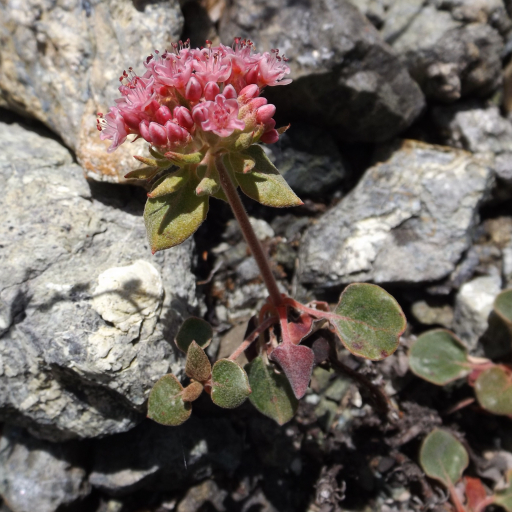
Plant Overview
Known as the Snow Mountain Buckwheat, this rare California gem is a master of survival in harsh, rocky landscapes. It is a "mat-forming" perennial, meaning it hugs the earth like a silver-green carpet to protect itself from high-altitude winds. Native to a very specific range in the California Coast Ranges, it is often found clinging to serpentine soils where few other plants dare to grow.
🔍 How to Identify
- 🌿 The Foliage: Look for tiny, spoon-shaped leaves that are densely clustered. The undersides are often covered in a white, felt-like "wool" to help the plant retain moisture.
- 🌸 The Blooms: It produces delicate, pom-pom-like clusters of flowers that range from creamy white to pale pink, often featuring a tiny dark midvein on each petal.
- 🎨 Color Shift: As the flowers age and dry out on the stem, they undergo a beautiful transformation, turning a deep rusty-orange or papery bronze.
🏡 In Your Garden
- 🪨 The Drainage Requirement: In a garden setting, this plant is incredibly sensitive to "wet feet." It evolved in rocky, mineral-rich slopes, so it requires a rock garden or a raised bed with incredibly gritty soil to thrive without rotting.
- 🦋 Pollinator Magnet: Despite its small size, it is a massive draw for native bees and small butterflies like the Blues and Hairstreaks, making it an essential pick for a "wildlife-first" landscape.
⚠️ Safety & Toxicity
- ✅ Generally Safe: Snow Mountain Buckwheat is considered non-toxic to humans and common household pets like dogs and cats.
- 🧤 Skin Sensitivity: While not poisonous, the tiny hairs on the leaves can occasionally cause mild mechanical irritation to very sensitive skin if handled roughly.
✨ Fun Fact
The "nervy" part of its Latin name, nervulosum, refers to the prominent, vein-like ribs on its tiny flower parts. Because it is adapted to "serpentine" soil—which is high in heavy metals—it is a specialized survivor that actually helps stabilize fragile mountain ecosystems!

Detailed Care Instructions








