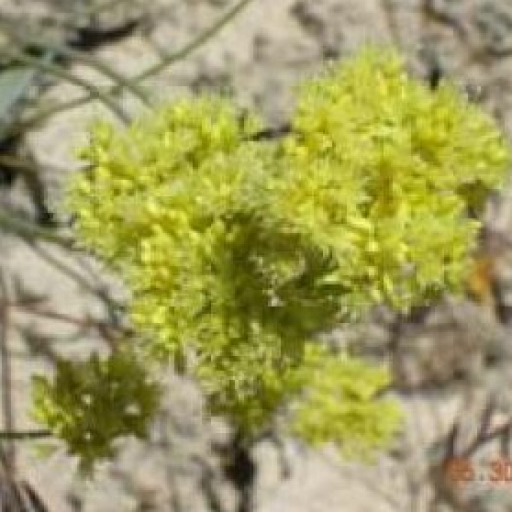
Plant Overview
Known to many as the Ocher-flowered Buckwheat, this hardy perennial is a master of the high-desert landscape. Originating from the rocky slopes of the Great Basin in the Western United States, it creates stunning silvery-green mats that look like soft velvet draped over rugged terrain. It is a favorite for xeriscaping enthusiasts who want a plant that thrives on sunshine and "tough love."
🔍 How to Identify
- 🌼 The Flowers: Its most striking feature is the dense, globe-like clusters of tiny blossoms that range from pale yellow to a deep, earthy ocher. These pom-poms sit atop leafless, slender stalks.
- 🍃 The Foliage: The leaves are small, spoon-shaped, and covered in fine, silvery-white hairs (tomentose). This gives the plant a dusty or frosted appearance that reflects harsh sunlight.
- 🌱 Growth Habit: It grows as a low, spreading cushion or "mat." Over time, the base becomes slightly woody, hugging the ground to stay protected from high mountain winds.
🏡 In Your Garden
- 🏜️ Drainage is King: Because it originates from volcanic and rocky soils, this buckwheat cannot tolerate "wet feet." If you plant it in heavy clay, its roots will rot quickly; it performs best in rock gardens or sandy slopes.
- 🦋 Wildlife Magnet: It is a vital resource for native pollinators. You will likely see various species of Blue butterflies and honeybees swarming the golden globes throughout the summer months.
- ☀️ Sun Worshipper: This plant requires full, intense sun to maintain its compact shape. If placed in the shade, it will lose its silvery luster and become "leggy" as it stretches for light.
⚠️ Safety & Toxicity
- ✅ Status: Generally considered non-toxic and safe.
- 🐾 Details: There are no known toxic effects for dogs, cats, or humans. However, the fine hairs on the leaves can occasionally be an irritant to very sensitive skin or if a curious pet tries to ingest a large amount of the fibrous foliage.
✨ Fun Fact
Native buckwheats like Eriogonum ochrocephalum are the primary "host plants" for several rare butterfly species. This means the butterflies don't just drink the nectar; they actually lay their eggs on the plant because it is the only food their caterpillars are willing to eat!

Detailed Care Instructions








