Plant Overview
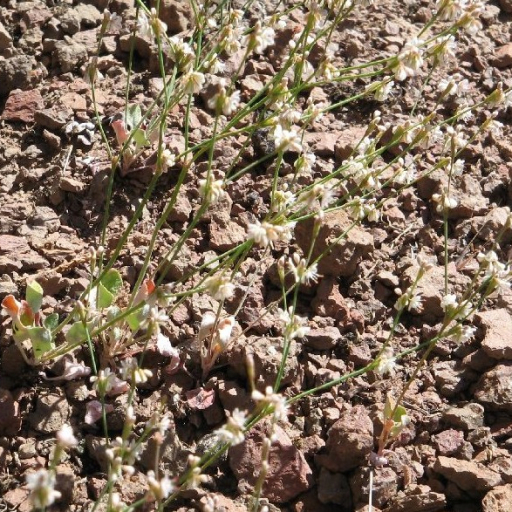
Known affectionately as the Wickerstem Buckwheat, this delicate native of Western North America looks like a fine mist of pink or white lace floating above the dry, rocky ground. While it may appear fragile with its spindly, "wicker-like" branches, it is a rugged survivor of the chaparral and sagebrush scrub, often thriving where other plants struggle to find a foothold.
🔍 How to Identify
- 🌿 The Skeleton Frame: This plant is mostly stems; its wiry, multi-branched structure creates a thin, airy canopy that can reach up to 18 inches tall.
- 🍃 Hidden Leaves: Don't look for leaves on the branches! Small, round, woolly leaves form a tight cluster (basal rosette) strictly at the very base of the plant, often drying up by the time the plant blooms.
- 🌸 Jewel-like Blooms: Tiny, bell-shaped flowers—usually pale pink, rose, or white—are tucked into the "joints" of the branches rather than clustered at the tips.
🏡 In Your Garden
- 🏜️ The Ultimate Minimalist: Because it is an annual adapted to volcanic soils and rocky slopes, it hates "pampering." Over-watering or highly organic potting soil will cause it to flop or rot; it craves the grit and heat of a rock garden.
- 🦋 A Pollinator Party: It is a vital resource for native bees and serves as a critical host plant for several species of tiny, iridescent blue and copper butterflies. If you plant it, expect a flurry of winged visitors in late summer.
⚠️ Safety & Toxicity
- ✅ Non-Toxic: Eriogonum vimineum is generally considered safe and non-toxic for humans and common household pets.
- 🧤 Physical Irritation: While not poisonous, the dried, wiry stems can become quite brittle and sharp at the end of the season, which might cause minor scratches if you are weeding around them without gloves.
✨ Fun Fact
The Wickerstem Buckwheat is a master of timing; it waits until the hottest, driest part of the summer to bloom, providing a "nectar bridge" for insects when most other wildflowers have already scorched and faded away.

Detailed Care Instructions
To grow Eriogonum vimineum, also known as the Whorled Buckwheat, you can follow these steps:
- Climate and Sunlight: Eriogonum vimineum is native to western North America and typically grows in dry, sunny areas. Ensure that you have a suitable climate for this plant, with full sunlight exposure.
- Soil: The plant prefers well-draining soil with moderate fertility. Sandy or rocky soil is often suitable. If your soil is heavy or clayey, consider amending it with organic matter or sand to improve drainage.
- Watering: Eriogonum vimineum is drought-tolerant once established, but it still requires regular watering during its establishment period. Water deeply but infrequently to encourage deep root growth.
- Planting: Start by obtaining Eriogonum vimineum seeds or seedlings from a reputable source. Dig a hole slightly larger than the plant's root ball and gently place it in the hole. Backfill the hole with soil, firming it gently around the roots. Space the plants around 12-24 inches apart to allow them to spread out.
- Mulching: Apply a thin layer of organic mulch, such as shredded bark or straw, around the base of the plants to help retain moisture, suppress weed growth, and protect the roots from extreme temperatures. Leave some space around the stem to prevent rot.
- Fertilizer: Eriogonum vimineum generally does not require heavy fertilization. If your soil lacks nutrients, you can apply a balanced slow-release fertilizer during the growing season according to the package instructions.
- Pruning: Eriogonum vimineum does not usually require pruning, but you can deadhead the spent flowers to encourage new blooms and improve the plant's appearance.
- Pests and Diseases: Eriogonum vimineum is generally resistant to pests and diseases, making it a low-maintenance plant. However, monitor for common garden pests like aphids or spider mites and address any issues promptly.
- Natural Environment: Consider planting Eriogonum vimineum alongside other native plants adapted to your local environment. This will provide a natural habitat and potentially attract pollinators to your garden.
Remember to always consult local gardening guides and experts for specific advice tailored to your region and conditions.
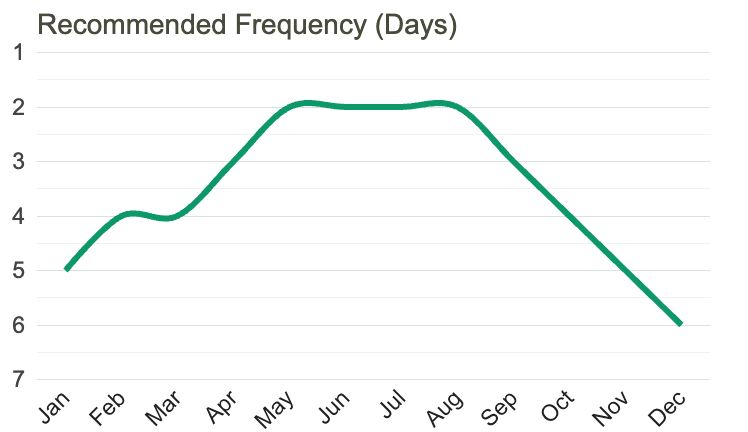
Eriogonum vimineum is a perennial plant that requires a specific watering routine to ensure its optimal growth and health. Here are detailed instructions on how to water this plant:
1. When determining watering requirements for Eriogonum vimineum, consider its natural habitat, which is crucial in creating similar conditions. This plant is typically found in dry and arid regions, so it is adapted to withstand limited water availability.
2. Water the plant deeply but infrequently: Instead of providing frequent shallow watering, which promotes shallow root growth and increases the risk of water-related diseases, it is recommended to water it deeply. This encourages the roots to grow deep into the soil in search of moisture and nutrients.
3. Check the soil moisture before watering: Before applying water, check the soil around the plant. Insert your finger about 2-3 inches into the soil. If it feels dry at this depth, it indicates the plant needs watering. If it is still moist, you can wait a few more days before watering.
4. Use the right watering technique: When watering Eriogonum vimineum, try to emulate rainfall by delivering water slowly and evenly. This can be achieved through the use of a soaker hose or dripper system. Water at the base of the plant, avoiding wetting the foliage as this can increase the chances of fungal diseases.
5. Water early in the day: It is best to water Eriogonum vimineum early in the morning to allow the leaves to dry before evening. Wet foliage in the evening can increase the risk of diseases.
6. Adjust the watering frequency: As the plant establishes and develops its root system, gradually reduce the frequency of watering. This promotes drought tolerance and encourages deep root growth.
7. Mulch around the plant: Applying a layer of organic mulch around the Eriogonum vimineum plant can help retain moisture in the soil, reduce weed competition, and regulate soil temperature.
8. Monitor rainfall: Take into account the amount of rainfall received in your area when deciding on watering frequency. Adjust your watering schedule accordingly, ensuring that the plant does not become overly saturated.
By following these detailed instructions, you can provide adequate water to your Eriogonum vimineum plant, promoting its health and ensuring a thriving growth.
For optimal fertilization of the Eriogonum Vimineum plant, follow these guidelines:
- Start fertilizing the plant in early spring, just as the new growth begins.
- Use a balanced, slow-release fertilizer with an NPK ratio of 10-10-10 or similar.
- Mix the recommended amount of fertilizer with water according to the package instructions.
- Apply the fertilizer around the base of the plant, ensuring that it does not come into direct contact with the stems or leaves.
- Water the plant thoroughly after applying the fertilizer to help it absorb the nutrients.
- Repeat the fertilization process once every two to three months throughout the growing season.
- Avoid over-fertilization, as it can damage the plant. Always follow the recommended dosage mentioned on the fertilizer package.
- Monitor the plant's response to fertilization. If it shows signs of nutrient deficiency, such as yellowing leaves or slow growth, adjust the fertilization schedule or consult a horticulturist for further guidance.
Remember to also consider the specific soil conditions and other environmental factors to ensure the best growth and health of your Eriogonum Vimineum plant.
Eriogonum vimineum, a perennial plant native to North America, thrives best in well-draining soil with low fertility. It has specific soil preferences to support its growth and overall health.
- Soil Type: Eriogonum vimineum prefers sandy or gravelly soils. These soil types help ensure good drainage, preventing waterlogging and reducing the risk of root rot.
- pH Level: The plant prefers slightly acidic to neutral soil with a pH range of 6.0 to 7.5. This pH range provides an optimal environment for nutrient uptake and supports the overall vigor of the plant.
- Organic Matter: While Eriogonum vimineum prefers low-fertility soil, adding a small amount of organic matter such as compost during planting can improve soil structure and promote moisture retention without significantly increasing nutrient levels.
- Moisture Requirements: It is crucial to choose well-draining soil to avoid excessive moisture accumulation, as Eriogonum vimineum is susceptible to root rot. The ideal soil will retain enough moisture to support the plant's growth but will not become waterlogged.
- Soil Texture: The plant generally thrives in coarse soils, such as sandy or gravelly soils, that allow air circulation around the roots. This texture helps prevent waterlogged conditions and allows the roots to access oxygen easily.
- Nutrient Levels: Eriogonum vimineum thrives in nutrient-poor soil. Excessive fertility can lead to lush foliage growth at the expense of flowering. Avoid using heavy clay soils or overly nutrient-rich soil amendments.
It is important to note that while these are general guidelines for the preferred soil characteristics of Eriogonum vimineum, individual plant specimens may have slightly different needs. Observing the growth and appearance of the plant can provide valuable insight into its specific soil requirements.
Eriogonum vimineum is a perennial plant native to North America that belongs to the Polygonaceae family. It is commonly propagated through several methods such as seed propagation, division, and stem cuttings. Here's a detailed explanation on how to propagate Eriogonum vimineum without mentioning its common names:
- Seed Propagation:
- Collect ripe seeds from the plant during late summer or early fall.
- Remove the seeds from the seedheads by gently crushing or rubbing them.
- Fill a seed tray or small pots with a well-draining potting mix.
- Sow the seeds on the soil surface and lightly cover them with a fine layer of potting mix.
- Mist the soil to ensure it is evenly moist.
- Place the tray or pots in a warm location with indirect sunlight.
- Keep the soil slightly moist and maintain a temperature between 70-85°F (21-29°C).
- Germination typically takes around 2-4 weeks.
- Once the seedlings develop a few sets of leaves, transplant them into individual containers or the garden.
- Collect ripe seeds from the plant during late summer or early fall.
- Division:
- Choose a mature Eriogonum vimineum plant that is at least 2-3 years old.
- Lift the plant from the ground carefully, ensuring the roots remain intact.
- Gently shake off excess soil to expose the root system.
- Divide the plant by separating the clumps into smaller sections, ensuring each section has healthy roots.
- Replant the divided sections immediately in prepared soil or containers.
- Water thoroughly to settle the soil and promote root establishment.
- Keep the newly divided plants well-watered and provide partial shade for a few days to minimize stress.
- Choose a mature Eriogonum vimineum plant that is at least 2-3 years old.
- Stem Cuttings:
- Take stem cuttings during spring or summer from a healthy Eriogonum vimineum plant.
- Select a non-flowering shoot that is about 4-6 inches (10-15 cm) long.
- Using clean, sharp pruners, cut below a node (area where leaves emerge) at a 45-degree angle.
- Remove the lower leaves from the cutting, leaving only a few leaves at the top intact.
- Dip the cut end in rooting hormone powder to enhance root development (optional).
- Fill a small pot with a well-draining rooting medium, such as perlite or vermiculite.
- Create a planting hole in the prepared medium and insert the cutting.
- Firmly press the medium around the stem to hold it in place.
- Place the pot in a warm, bright location with indirect sunlight.
- Ensure the medium remains moist but not waterlogged.
- Over time, the cutting will develop new roots, and once well-established, it can be transplanted into a larger container or the garden.
Remember, it's crucial to provide the appropriate care, including regular watering, proper sunlight exposure, and suitable soil conditions, to encourage healthy growth and establishment of propagated Eriogonum vimineum plants.
- Take stem cuttings during spring or summer from a healthy Eriogonum vimineum plant.








