Plant Overview
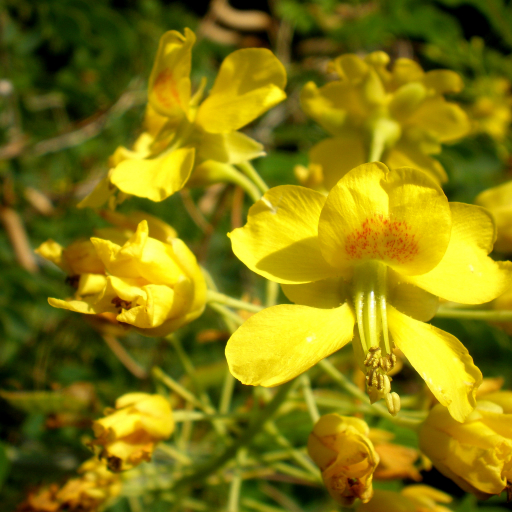
Known widely as the Mexican Bird of Paradise, this plant is a splash of liquid sunshine for any landscape. Unlike its cousin with the fiery orange-red spikes, this species glows with a pure, buttery yellow that seems to capture the warmth of the desert sun. It is a favorite for gardeners who want tropical beauty without the high water bill.
🔍 How to Identify
- 🌼 Golden Blooms: It features dense, upright clusters of brilliant yellow flowers. Look closely at the long, delicate stamens that extend far beyond the petals, giving the flower a wispy, "bird-like" appearance.
- 🌿 Ferny Foliage: The leaves are "bipinnately compound," meaning they look like delicate, lacy fern fronds. This fine texture creates a soft, dappled shade rather than a heavy, dark canopy.
- 🌱 Growth Habit: It naturally grows as a large multi-trunked shrub but can easily be trained into an elegant small tree, typically reaching 10 to 15 feet in height.
🏡 In Your Garden
- ☀️ Sun-Seeker Nuance: While it craves full sun to produce those iconic yellow spikes, it is incredibly resilient. It develops a deep taproot to find water, which makes it very difficult to move once established—pick its "forever home" in your garden carefully!
- 🦋 The Pollinator Party: Because of the open flower structure and rich nectar, this plant acts as a natural magnet for hummingbirds and butterflies. It is a functional "wildlife hub" for any xeriscape or rock garden.
- ✂️ Pruning Strategy: If left alone, the branches can become "leggy" or sparse. A light pruning in late winter helps the plant maintain a dense, lush shape and encourages a more dramatic floral display in the spring.
⚠️ Safety & Toxicity
- 🚫 Seed Pod Caution: After the flowering season, the plant produces flat, green pods that eventually turn brown and "pop" open. These pods and the seeds inside contain tannins and other compounds that are toxic if swallowed.
- 🐾 Pets & Children: Keep an eye on curious dogs or toddlers. Ingesting the seeds can cause significant gastrointestinal distress, including vomiting and coordination issues. It is best to deadhead (remove) the pods if you have roaming pets.
✨ Fun Fact
Despite its delicate, lacy appearance, the Mexican Bird of Paradise is a master of extremes. In its native habitat within the Chihuahuan Desert, it can thrive in blistering temperatures exceeding 110°F (43°C) and still look perfectly refreshed, while other plants are wilting!

Detailed Care Instructions








