Plant Overview
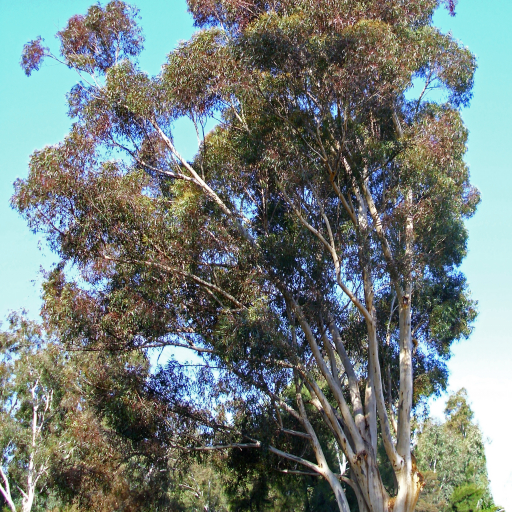
Known as the Sugar Gum, Eucalyptus cladocalyx is an Australian icon celebrated for its striking, multicolored bark and architectural silhouette. Unlike many of its cousins that look messy, the Sugar Gum grows with a clean, stately trunk and a high, billowing canopy. It’s a tree of endurance, originally hailing from the rugged landscapes of South Australia, where it has learned to thrive on very little water.
🔍 How to Identify
- 🎨 Mottled Bark: The trunk is a masterpiece of nature, featuring smooth patches of creamy white, yellow, and blue-gray that peel away in irregular flakes.
- 🍃 Bicolored Leaves: Most Eucalyptus leaves look the same on both sides, but the Sugar Gum has "discolorous" foliage—dark, glossy green on top and a much lighter, matte green underneath.
- 🍯 Urn-Shaped Fruit: After the creamy white flowers fade, the tree produces distinctive woody capsules that look like tiny, ribbed barrels or urns.
🏡 In Your Garden
- 🌳 Space Requirements: This is a "legacy tree" that can reach heights of 30 meters or more. It is best suited for large acreages or parks rather than small suburban yards, as its root system is expansive and powerful.
- 🏜️ Drought Resilience: Once established, it is incredibly water-wise. It prefers well-draining soil and can tolerate the intense heat and dry winds that would wither more delicate species.
- 🌬️ Windbreak Specialist: Because of its height and sturdy nature, it is frequently used by farmers as a "shelterbelt" to protect crops and livestock from heavy winds.
⚠️ Safety & Toxicity
- 🐾 High Toxicity: Hazardous. The leaves contain cyanogenic glycosides, which can release cyanide if ingested. This poses a significant risk to cattle, horses, and curious pets.
- 🚫 Limb Dropping: Like many large Eucalypts, the Sugar Gum can unexpectedly drop heavy branches (sometimes called "widow-makers"), especially during periods of heat stress. Avoid placing benches or play areas directly beneath mature trees.
✨ Fun Fact
The name "Sugar Gum" doesn't actually come from a sugary sap; rather, it refers to the sweet, nectar-rich flowers that are a favorite of honeybees. Beekeepers prize this tree because it produces a high-quality, pale gold honey with a mild, delightful flavor.

Detailed Care Instructions
To grow Eucalyptus Cladocalyx (Sugar Gum), follow these steps:
- Climate: Ensure that you live in a suitable climate for Eucalyptus Cladocalyx. It thrives in Mediterranean climates with cool winters and hot summers.
- Soil: Select a well-draining soil with a pH level between 6.5 and 7.5. Eucalyptus Cladocalyx prefers sandy or loamy soil but can tolerate slightly acidic or alkaline conditions.
- Sunlight: Provide full sun exposure to the plant as it requires at least 6-8 hours of direct sunlight each day.
- Planting: Plant the seeds or seedlings in late winter to early spring when the threat of frost has passed. Select a location with enough space for the tree to grow to its full height and spread.
- Watering: Initially, water the plant regularly to help establish its roots. Once established, Eucalyptus Cladocalyx is adaptable to drought conditions but benefits from occasional deep watering during dry periods.
- Fertilizer: Eucalyptus Cladocalyx generally does not require much fertilizer. However, you can apply a balanced slow-release fertilizer in spring to promote healthy growth.
- Pruning: Prune the plant minimally to remove any damaged or dead branches. Pruning for shaping or size control is generally not recommended for Eucalyptus trees.
- Mulching: Apply a layer of mulch around the base of the plant to retain moisture and prevent weed growth. Leave some space around the trunk to avoid moisture buildup.
- Pests and diseases: Eucalyptus Cladocalyx is generally resistant to pests and diseases. However, keep an eye out for common eucalyptus pests such as psyllids and borers. Regular inspection and prompt treatment, if necessary, can help maintain the plant's health.
- Patience: Eucalyptus Cladocalyx is a slow-growing tree, so be patient with its growth rate. It can take several years for the tree to reach its mature height.
Remember to check local regulations and restrictions before planting Eucalyptus Cladocalyx, as it is considered invasive in some regions.

Place in a bright room that is sun drenched almost all day. Or directly in a south-facing window.

1. Find a location: Choose an ideal location for your plant, making sure that the soil is well-draining. The plant prefers full sun to partial shade, so select an area that receives sufficient sunlight.
2. Determine water needs: Eucalyptus Cladocalyx prefers moderate watering during the growing season, and infrequent watering during the dormant season. During the growing season, watering once every two weeks is sufficient for the plant. During the dormant season, the plant prefers to be watered only when necessary.
3. Check the soil: Before watering your plant, check the soil moisture by sticking your finger into the soil about an inch deep. If it is dry, it's time to water.
4. Watering Method: Water the plant with gentle, even watering around the root ball. Avoid watering the foliage as it may cause fungal issues.
5. Avoid waterlogging: Ensure the soil has good drainage and that the water does not form a pool which can lead to root rot.
6. Mulching: Mulching around the plant can help conserve water.
7. Monitor periodically: Monitor the soil moisture and water accordingly to prevent over or under-watering.
- Choose a balanced fertilizer with equal amounts of nitrogen, phosphorus, and potassium.
- Apply the fertilizer at a ratio of 1 pound per inch of trunk diameter at breast height.
- Spread the fertilizer evenly around the drip line of the plant.
- Water the plant thoroughly after fertilizing to help the nutrients penetrate the soil.
- Fertilize once a year in the spring or early summer.
- Avoid fertilizing during periods of drought or extreme heat.
- Use organic fertilizer if possible to promote healthy soil and reduce environmental impact.
The soil that is suitable for this specific plant should have good drainage and should not retain too much moisture. It should be well-aerated and have a pH that is slightly acidic to neutral. The soil should be rich in organic matter and nutrients, such as nitrogen, phosphorus, and potassium. Additionally, it is important that the soil is not too sandy or too heavy and that it is free of any contaminants or toxins that could harm the plant. The ideal soil mixture may vary based on the specific growing conditions and location, so it is recommended to consult with a local gardening expert or nursery for further advice.
To propagate the plant, take a cutting from a healthy and mature plant during the active growth period. The cutting should be about 6 inches long and include a few leaves. Remove the leaves from the bottom 2 inches of the stem, and dip the cut end into rooting hormone. Plant the cutting into a container filled with moist soil mix, and water it thoroughly. Cover the container with plastic to create a humid environment and place it in bright, indirect light. The cutting should root in about 4-6 weeks. After the roots have formed, remove the plastic cover and gradually expose the plant to more light. Transplant the plant into a larger container or into the garden once it has outgrown its current container.








