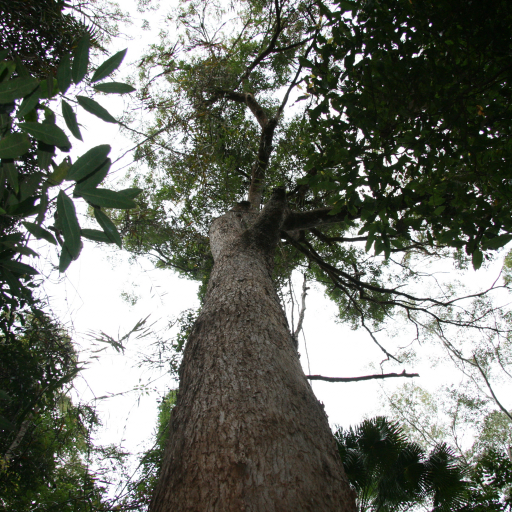
Plant Overview
Often referred to as the "King of the Forest" in its native Australian ranges, the Tallowwood is a majestic evergreen prized for its unique, waxy bark. Its name comes from the greasy, "tallow-like" feel of its wood, which is so durable it has been used for everything from ballroom floors to heavy-duty wharves. Beyond its utility, it serves as a critical high-rise sanctuary for local wildlife.
🔍 How to Identify
- 🪵 The Bark: Unlike many Eucalyptus trees that shed their skin, the Tallowwood keeps a thick, fibrous, and spongy orange-brown bark that feels surprisingly soft to the touch.
- 🍃 The Leaves: The foliage consists of thin, lance-shaped leaves that are a glossy deep green on top and a noticeably paler green underneath.
- 🌼 The Flowers: It produces delicate, creamy-white blossoms in clusters of seven to eleven, which look like tiny, feathery starbursts against the dark canopy.
🏡 In Your Garden
- 🌳 Space Requirements: This is a giant that needs room to breathe. Because of its massive height and spreading canopy, it is best suited for large acreages or parks rather than suburban backyards.
- 🐨 Wildlife Magnet: It is a "primary browse tree" for koalas. Planting one in its native range is like opening a five-star restaurant for local marsupials and nectar-loving birds.
- 💧 Resilience: While it loves high-rainfall areas and fertile soil, its high oil content makes it remarkably resistant to many common garden pests and decay.
⚠️ Safety & Toxicity
- 🐾 Status: Toxic to pets and humans if ingested.
- 🚩 Details: The leaves contain high concentrations of eucalyptus oil. If swallowed by dogs, cats, or horses, it can cause gastrointestinal upset, drooling, and lethargy. The fallen leaves can also be a skin irritant for some people with sensitive skin.
✨ Fun Fact
Tallowwood timber is so naturally oily and dense that it was historically the preferred material for ballroom dance floors in Australia because the wood provided its own "self-polishing" lubrication!

Detailed Care Instructions
Growing Eucalyptus microcorys, also known as the Tallowwood tree, can be a rewarding experience. Here are steps to help you successfully grow this plant:
- Climate: Eucalyptus microcorys thrives in a subtropical or warm temperate climate with mild winters and hot summers. Ensure your location offers these conditions.
- Soil: The plant prefers well-draining soil with a pH level between 5.5 and 7.0. Sandy loam or clay loam soils are most suitable. Prepare the soil by loosening it and adding organic matter like compost to improve its fertility.
- Planting: Obtain healthy seedlings from a nursery or start from seeds. If starting from seeds, soak them in clean water for 24 hours before planting. Sow the seeds into pots or seedling trays filled with seed-raising mix, placing them approximately 1 cm deep. Keep the soil consistently moist until germination occurs.
- Watering: Once the seedlings are established, water them regularly, especially during drier periods. Eucalyptus microcorys prefers moist soil but not waterlogged conditions. Aim for the soil to be evenly moist but not saturated.
- Sunlight: Choose a planting location with full sun exposure for at least six hours daily. Eucalyptus microcorys thrives in bright light.
- Pruning: Once the plant has grown to a desirable height, you can prune the tips to encourage branching and denser growth. Prune selectively and avoid over-pruning, as excessive pruning can affect the plant's health.
- Mulching: Applying a layer of organic mulch around the base of the plant helps retain moisture, suppresses weed growth, and regulates soil temperature. Use a 3-4 inch layer of mulch, keeping it away from the plant's trunk to prevent rot.
- Fertilizing: Eucalyptus microcorys benefits from regular fertilization with a slow-release, balanced fertilizer. Apply it during the growing season, following the package instructions.
- Pests and Diseases: Monitor the plant for pests such as eucalyptus tortoise beetles or leaf-eating caterpillars. If you notice any infestation, treat it with appropriate organic or chemical insecticides. Watch for signs of fungal diseases and treat accordingly.
- Maintenance: Regularly monitor and care for your Eucalyptus microcorys by ensuring adequate water, sunlight, and nutrients. Regularly check for pests, diseases, and prune when needed.
Remember that Eucalyptus microcorys is a large tree that can grow up to 40 meters (130 feet) tall. Ensure you have sufficient space for its growth, or consider growing it in a large container if space is limited.

Place in a bright room that is sun drenched almost all day. Or directly in a south-facing window.

To properly hydrate this plant, begin by examining the soil to ensure that it is moist and capable of absorbing water. If the soil is dry, water the plant thoroughly and deeply, making sure to saturate the entire root system. It is important to keep the soil consistently moist but not waterlogged, as this can lead to root rot. Water the plant regularly, perhaps every few days, depending on the climate and temperature in your area. Additionally, consider providing shade for the plant in particularly hot or sunny conditions to prevent moisture loss.
Choose a high-quality fertilizer with a balanced N-P-K ratio, and apply it to the soil around the base of the plant. Avoid over-fertilization, as this can lead to root burn and damage. Follow the instructions on the fertilizer packaging for application rates and frequency. Water the plant thoroughly after fertilizing to help distribute the nutrients. Fertilize during the plant's active growing season for best results.
When planting a particular species of tree, it is important to choose the appropriate type of soil that will provide the necessary nutrients and drainage required for its optimal growth. For the Eucalyptus Microcorys plant, a well-drained and nutrient-rich soil is preferred. The soil should have a pH level between 6.0 and 7.5. The plant also prefers a soil that is slightly acidic. It may be helpful to amend the soil with organic matter, such as compost or peat moss, to improve its overall quality. Additionally, the soil should be free of rocks and other types of debris that may impede root growth. When planting the Eucalyptus Microcorys, it is essential to ensure that the soil is well-drained and does not become waterlogged as this can lead to root rot and other issues.
To propagate this plant, you will need to take a stem cutting from a mature plant. Look for a healthy, woody stem that is about 6 inches long and has several leaves growing on it. Cut the stem just below a node, which is where a leaf meets the stem.
Remove the lower leaves from the stem, leaving just a few at the top. Dip the cut end of the stem into rooting hormone powder, then plant it in a pot filled with moist potting soil. Make a small hole in the soil with your finger, then insert the stem cutting and gently pack the soil around it.
Water the cutting thoroughly and place it in a warm, well-lit area. You can cover the pot with a plastic bag or dome to help hold in moisture and create a humid environment. After a few weeks, you should start to see roots growing from the base of the stem. Once the roots are well-established, you can transplant the new plant into a larger pot or directly into the ground.








