Plant Overview
Known by many as the "Asthma Weed" or "Pillpod Sandmat," Euphorbia hirta is a rugged little traveler that has spread from its native tropical Americas to almost every warm corner of the globe. While it often arrives uninvited in garden beds or sidewalk cracks, this hairy, sprawling herb is steeped in folklore and traditional medicine, prized for its supposed ability to clear the breath and soothe the skin.
🔍 How to Identify
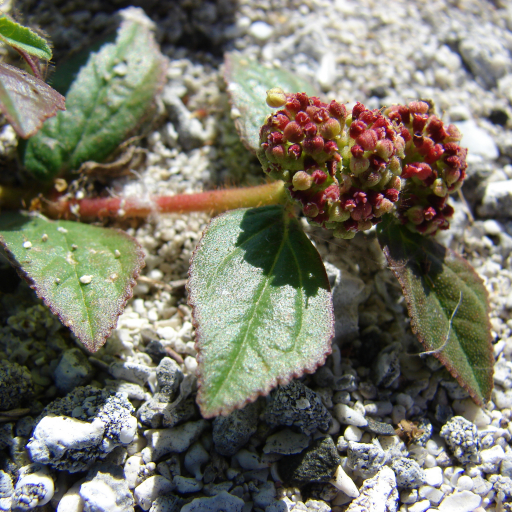
- 🌿 Hairy Stems: The most defining feature is its reddish-purple stems, which are densely covered in stiff, yellowish hairs that give the plant a "fuzzy" appearance.
- 🍃 Opposite Leaves: The leaves grow in pairs along the stem; they are elliptical, slightly lopsided at the base, and often feature a faint purple or dark spot in the center.
- 🌸 Globular Flowers: Look for tiny, dense, ball-shaped clusters (cyathia) that sprout where the leaves meet the stem, appearing as miniature green or pinkish pom-poms.
- 💧 Milky Latex: If you break a leaf or stem, it will immediately bleed a thick, white, milky sap characteristic of the Euphorbia family.
🏡 In Your Garden
- ☀️ Pioneer Spirit: This plant thrives in "disturbed" soil. If you’ve recently tilled a bed or left a patch of ground bare, Euphorbia hirta will likely be the first to move in, acting as a natural ground cover.
- 🌱 Low Maintenance (Too Low!): It doesn't require fertilization or intentional watering. In fact, its presence often indicates that the soil is quite dry or compacted, as its taproot is excellent at punching through tough earth.
⚠️ Safety & Toxicity
- 🚫 Skin & Eye Irritant: The white milky sap contains diterpene esters, which can cause redness, itching, or even blisters on sensitive skin. Always wash your hands after weeding this plant.
- 🐾 Toxic to Pets: If eaten in large quantities, the sap can cause gastrointestinal distress and mouth irritation in cats, dogs, and livestock.
- 🛑 Internal Caution: Despite its medicinal name, the raw plant should never be consumed without professional guidance, as the concentrated latex can be caustic to the digestive tract.
✨ Fun Fact
🧪 The Breath of Life: Its nickname "Asthma Weed" comes from its historical use in various cultures where the plant was dried and smoked or brewed into a tea to treat bronchial issues. It was even included in some commercial asthma powders in the 19th century!

Detailed Care Instructions
To grow Euphorbia Hirta plant, also known as the "asthma plant" or "gatas-gatas," follow these steps:
- Climate: Euphorbia Hirta prefers warm climates and thrives in temperatures between 70-85°F (21-29°C). It can tolerate some cooler conditions but will not survive frost. Ensure your climate is suitable before planting.
- Soil: The plant prefers well-draining soil. Prepare a pot or planting area with a mixture of equal parts organic compost, perlite, and sand. This soil mix will provide good drainage and allow the plant to thrive.
- Planting: Sow seeds about 1/8 inch deep in the soil mix. Space the seeds at least one inch apart. If you already have a young Euphorbia Hirta plant, gently transplant it into the prepared soil mix, ensuring the roots are covered and supported.
- Watering: The plant requires moderate watering. Water the plant deeply when the top inch of the soil feels dry, but avoid overwatering to prevent root rot. Ensure proper drainage of the pot or planting area to prevent waterlogged soil.
- Sunlight: Euphorbia Hirta prefers full sun to partial shade. Place the plant where it can receive 4-6 hours of direct sunlight per day. If growing indoors, provide sufficient sunlight near a sunny window or use artificial grow lights.
- Fertilization: Apply a balanced organic fertilizer once every two months to provide essential nutrients for healthy growth. Follow the instructions on the fertilizer packaging for the correct dosage.
- Pruning: Euphorbia Hirta responds well to pruning. Regularly trim and pinch back the plant to promote bushier growth and prevent it from becoming leggy. Avoid touching the milky sap as it can cause skin irritation and is toxic if ingested.
- Pests and diseases: Euphorbia Hirta is generally pest resistant. However, keep an eye out for common pests like aphids and mealybugs. Treat infestations with organic insecticides or wipe them off with a mixture of water and mild soap. Ensure good air circulation around the plant to prevent fungal issues.
Remember to research and follow any local regulations or guidelines pertaining to the cultivation of Euphorbia Hirta in your area.

Place in a bright room that is sun drenched almost all day. Or directly in a south-facing window.

Euphorbia Hirta is a small plant with green leaves and small white flowers that can grow up to 16 inches tall. When watering this plant, it is important to be careful not to overwater it as it is susceptible to root rot.
Begin by inspecting the soil to see if it is dry. If the top inch of soil is dry, it is time to water the plant. Use a watering can with a narrow spout to deliver a controlled amount of water to the soil around the base of the plant. It is important to avoid getting the leaves wet, as this can encourage disease.
Allow the water to soak into the soil and then check the drainage tray underneath the pot to ensure that excess water is draining away. If there is standing water in the tray, remove it to prevent the roots from sitting in water.
During hot, dry weather conditions, Euphorbia Hirta may need to be watered more frequently. However, it is still important to avoid overwatering. Instead, water the plant more frequently but with smaller amounts of water.
In summary, when watering Euphorbia Hirta, check the soil for dryness, water carefully around the base of the plant avoiding wetting the leaves, and ensure that there is proper drainage to prevent overwatering.
To fertilize this plant, you should use a balanced water-soluble fertilizer with a 20-20-20 NPK ratio. Dilute the fertilizer in water according to the manufacturer's instructions and apply it to the soil around the base of the plant. Be sure not to get any fertilizer on the leaves or stem of the plant as it could burn them. Fertilize every 4-6 weeks during the growing season, which is typically from spring to early fall. Reduce fertilization during the winter months as the plant typically goes into dormancy.
Euphorbia Hirta plants require well-drained soil that is rich in nutrients. The soil should have a pH level between 5.5 and 7.5. It is recommended to use a mixture of peat moss, vermiculite, and perlite to create a loose and well-aerated soil. Adding a slow-release fertilizer can also help provide the necessary nutrients. It is important to avoid using heavy soils or soils that do not drain well, as the plants can be prone to root rot.
Propagation of this plant can be done through both seeds and stem cuttings.
To propagate through seeds, the seeds should be collected from a mature plant. Make sure to dry the seeds properly after collecting them. Once the seeds are dried, sow them in well-drained soil. Keep the soil moist, but not waterlogged. The seeds should germinate within two weeks.
To propagate through stem cuttings, take a stem cutting of about 4-6 inches long from a mature plant. Make sure the cutting has a few leaves and no flowers. Dip the cutting in rooting hormone and plant it in well-draining soil. Keep the soil moist and place the cutting in a bright area that is protected from strong sunlight. The cutting should develop roots within a month.
Both methods of propagation require a warm temperature, between 60-70°F, for optimal growth. It is important to note that this plant can be toxic if ingested or come in contact with skin so handle with care.








