Plant Overview
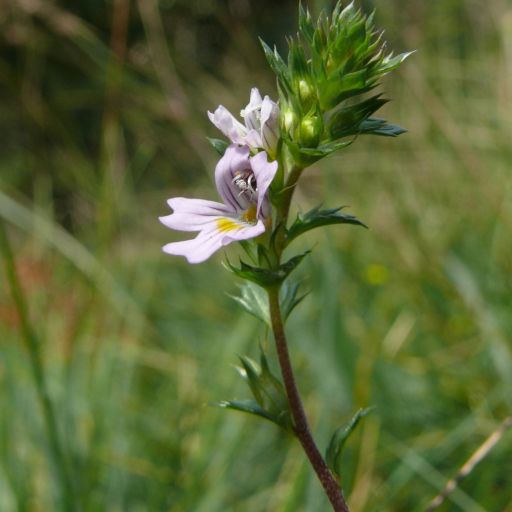
Known as the Drug Eyebright, this dainty wildflower is a tiny legend of the meadow. Its name comes from a centuries-old belief that the flower's appearance—mimicking a bloodshot eye—meant it could cure ocular ailments. While it looks like a delicate, innocent bloom, it is actually a clever "hemiparasite," living a double life by secretly tapping into the roots of neighboring grasses to steal nutrients.
🔍 How to Identify
- 👁️ The "Eye" Flower: The small, two-lipped flowers are usually white or pale violet, marked with distinct purple veins and a bright yellow "pupil" spot on the lower petal.
- 🍃 Sharp Leaves: Its leaves are small, oval, and deeply toothed (serrated), appearing in opposite pairs along the stem.
- 📏 Upright Habit: True to its name (stricta means "upright"), it grows on a stiff, vertical stem that often turns a dark purplish-red as it matures.
🏡 In Your Garden
- 🌱 The Secret Neighbor: Because Eyebright is semi-parasitic, it is rarely grown alone in a pot. It thrives best in a "wild" lawn or meadow setting where it can attach its roots to those of host grasses or clovers.
- ☀️ Meadow Preferences: It loves "poor" soil. If your garden is too fertilized, the surrounding grass will grow too fast and shade out this tiny sun-lover. It prefers well-drained, chalky, or neutral soils and plenty of open light.
⚠️ Safety & Toxicity
- ✅ Generally Safe: Eyebright is not considered toxic to humans, cats, or dogs. In fact, it has a long history in traditional European herbalism.
- 🚫 A Note on Use: While it is a famous historical remedy for eye strain, you should never apply wild-harvested plant extracts directly to your eyes, as this can lead to severe irritation or infection from bacteria.
✨ Fun Fact
Eyebright is a classic example of the "Doctrine of Signatures," an ancient philosophy suggesting that a plant's physical appearance reveals its medicinal use. Because the flower looks like an eye, medieval herbalists were convinced it was a gift from nature specifically designed to sharpen vision!

Detailed Care Instructions
Euphrasia stricta, commonly known as "Eyebright," is a semi-parasitic plant that typically grows in meadows, grasslands, and other open, well-drained areas. Growing Euphrasia stricta can be a bit challenging due to its semi-parasitic nature, as it relies on host plants to obtain some of its nutrients. Here are some steps you can take to grow this plant successfully:
1. Choose the Right Location
- Sunlight: Euphrasia stricta prefers full sun to partial shade.
- Soil: Well-draining soil is essential. It can grow in various soil types but prefers grasslands or meadows where its host plants are found.
2. Select Host Plants
- Euphrasia stricta is semi-parasitic and will grow best when it can attach to the roots of a host plant. Common native grasses or other low-growing plants in your area can serve as hosts.
3. Prepare the Soil
- Clear Area: Remove any weeds or other unwanted vegetation.
- Loosen Soil: Loosen the top few inches of soil to improve drainage and make it easier for the seeds to germinate and the roots to establish.
4. Planting Seeds
- Timing: The best time to sow Euphrasia stricta seeds is in the fall or early spring.
- Seeding: Scatter the seeds on the soil surface, taking care not to bury them too deeply. They need light to germinate.
- Watering: Water the seeds lightly to keep the soil moist but not waterlogged.
5. Maintenance
- Watering: After germination, make sure the young plants get adequate water, especially during dry periods.
- Weeding: Keep the area around your Euphrasia stricta plants free of competitive weeds, especially in the early stages.
- Fertilization: Avoid heavy fertilization as this plant generally thrives in nutrient-poor soils.
6. Host Plant Management
- You may need to trim back or manage the growth of host plants to ensure that Euphrasia stricta has sufficient access to sunlight and nutrients. However, avoid completely removing the host plants, as this could cause the Eyebright to suffer.
7. Monitor and Protect
- Pests and Diseases: Keep an eye out for any pests or diseases and take appropriate action if necessary.
- Growth: Monitor the growth of your plants and make necessary adjustments to watering, weeding, or host plant management.
Additional Tips
- Conservation Status: In some regions, Euphrasia stricta may be protected or considered rare. Before planting, it might be worth checking local regulations.
- Native Plants: Whenever possible, source seeds from a local or regional supplier who specializes in native plants to ensure you are getting the right subspecies suited to your area.
Euphrasia stricta may take some time to establish, but with the right conditions and care, you can successfully grow this unique and beneficial plant.

Place in a window with dappled sun or a spot in the middle of a room. Or directly in a window facing west or east.
Watering Euphrasia stricta, a delicate plant often found in meadows and lightly forested areas, requires careful attention to ensure its optimal health and growth. Here are detailed guidelines on how to properly water this plant:
### Growing Environment
1. Soil Type: Ensure that the soil is well-draining. Euphrasia stricta prefers soil that remains moist but not waterlogged. Sandy or loamy soil types are often ideal.
2. Location: This plant tends to grow in areas with consistent moisture, so try to mimic this environment if grown in a garden or as part of a restoration project.
### Watering Frequency
1. Natural Habitat Consideration: If growing in its natural habitat, it largely relies on rainwater. Ensure the location receives regular rainfall or is in a naturally moist area.
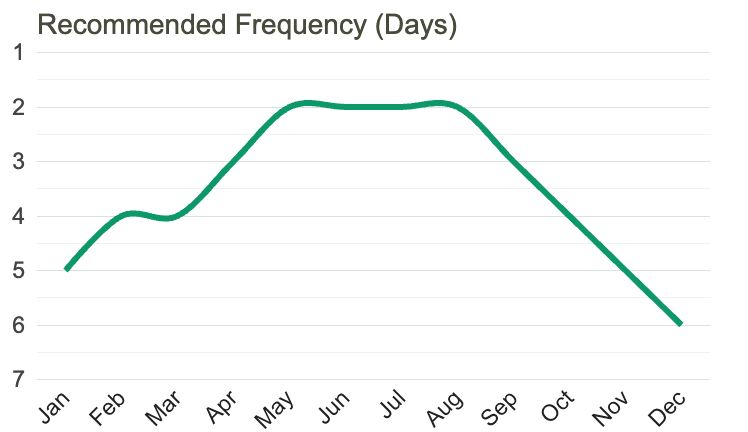
2. Garden Setting: In a garden setting, check the soil moisture regularly. Water the plant when the top inch of soil feels dry but do not let the soil dry out completely.
3. Seasonal Variations: Adjust the watering frequency based on the season. During the growing season (spring and summer), keep the soil consistently moist. In fall and winter, reduce watering slightly but avoid letting the soil dry out entirely.
### Watering Method
1. Even Moisture: Water the plant slowly and evenly, ensuring that the soil absorbs the water. Avoid pouring water directly on the plant to prevent soil erosion or damage to the delicate roots.
2. Morning Watering: Water in the morning to allow the plant to absorb the necessary moisture throughout the day and to reduce the risk of fungal diseases that can occur with prolonged nighttime moisture.
3. Mulching: Apply a thin layer of organic mulch around the base of the plant to help retain soil moisture, regulate temperature, and reduce the need for frequent watering. However, keep the mulch a few inches away from the stem to prevent rot.
### Container Growing
1. Pot Selection: If growing Euphrasia stricta in a pot, choose a container with drainage holes to prevent waterlogging.
2. Watering Schedule: Potted plants may dry out more quickly than those in the ground, so monitor the soil moisture more frequently. Water thoroughly when the top inch of soil is dry to the touch.
### Water Quality
1. Rainwater Preferred: If possible, use rainwater as it is gentle and free from added chemicals. Collect rainwater in a barrel for an eco-friendly watering solution.
2. Tap Water Concerns: If using tap water, let it sit for 24 hours to allow chlorine to dissipate. This can help reduce any potential chemical stress on the plant.
### Monitoring Plant Health
1. Signs of Overwatering: Watch for signs such as yellowing leaves, wilting despite moist soil, or root rot, which indicate overwatering.
2. Signs of Underwatering: Dry, crispy leaves or stunted growth may signal that the plant needs more water.
By carefully balancing soil moisture and considering environmental factors, you can effectively water Euphrasia stricta to support its healthy growth and flourishing presence in your garden or natural habitat.
Euphrasia stricta is a hemi-parasitic plant, which means it partially relies on nutrients from the roots of nearby host plants. Therefore, fertilizing it requires a bit of finesse.
- Soil Preparation: Ensure the soil is well-draining. Euphrasia stricta prefers slightly alkaline to neutral soil, so you might need to adjust the pH accordingly.
- Host Plants: Since it depends on host plants for nutrients, plant Euphrasia stricta near grasses or other suitable host plants. This interaction is crucial for its growth.
- Organic Fertilizer: Use a well-balanced, organic fertilizer sparingly. Compost or well-rotted manure is ideal. Apply it lightly to avoid overwhelming the plant with nutrients, as it might inhibit its ability to interact with host plants.
- Timing: Fertilize in early spring when new growth begins and possibly once more in the mid-summer. Avoid fertilizing in late fall or winter.
- Application Method: Scatter the fertilizer evenly around the base of the plant, ensuring not to disturb the roots. Water the area after application to help integrate the nutrients into the soil.
- Mulching: Apply a thin layer of mulch around the plant to retain moisture and add organic matter to the soil as it breaks down.
Remember that over-fertilizing can be detrimental to Euphrasia stricta due to its unique nutrient acquisition strategy. Monitor the plant's health and growth, adjusting your approach as needed.
Euphrasia stricta is a semi-parasitic plant that typically thrives in well-draining soils with moderate fertility. When cultivating this plant, it is crucial to consider the following key aspects regarding soil requirements:
- Soil Type: A sandy loam or loamy soil is ideal for Euphrasia stricta. These soil types provide good drainage while retaining sufficient moisture, which is essential for the plant's growth.
- pH Level: Euphrasia stricta prefers slightly acidic to neutral soil pH levels, generally in the range of 5.5 to 7.0. Monitoring and adjusting the soil pH as needed can help optimize conditions for the plant.
- Nutrient Content: This plant typically does well in moderately fertile soils. Extremely nutrient-rich soils are not necessary and may even be detrimental. Therefore, avoid excessive fertilization. Organic matter, such as compost, can be integrated into the soil to provide balanced nutrition without over-enrichment.
- Drainage: Proper drainage is crucial to prevent waterlogging, which can harm Euphrasia stricta. Ensure the planting site or container has adequate drainage to allow excess water to escape.
- Soil Preparation: Before planting, it’s beneficial to prepare the soil by loosening it to a depth of around 6 to 8 inches. This helps improve root penetration and air circulation. Adding a small amount of organic matter can also be beneficial.
- Companion Plants: As a semi-parasitic plant, Euphrasia stricta often benefits from being in proximity to certain host plants from which it can derive some nutrients. It is important to plant it near compatible grasses or other appropriate host species to support its growth and health.
By adhering to these soil considerations, you can create a conducive environment for the growth and development of Euphrasia stricta.
Propagating Euphrasia stricta, a species from the Orobanchaceae family, involves several stages, including the careful collection of seeds, proper soil preparation, and a nurturing growth environment. Here's a detailed breakdown of the propagation process for this hemiparasitic plant:
Seed Collection:
- Timing: Collect seeds when they have fully matured, typically in late summer or early autumn.
- Identification: Make sure that the seeds are healthy and free from mold or damage. Mature seeds are generally small and brown.
Seedbed Preparation:
- Soil Selection: Use a well-drained growing medium. Euphrasia stricta prefers a calcareous or neutral pH soil. A mixture of loam, sand, and compost might provide an ideal substrate.
- Sterilization: To avoid fungal infestations, sterilize the soil by baking it in an oven at 180°F (82°C) for about 30 minutes or using a commercial soil sterilant.
Sowing the Seeds:
- Sowing Time: Seeds are best sown in early spring after the last frost.
- Stratification: Mimic natural cold stratification by placing seeds in a moist paper towel, sealed in a plastic bag, and kept in the refrigerator for 6-8 weeks.
- Sowing Depth: Scatter the seeds on the surface of the prepared bed and lightly press them into the soil without covering them deeply, as they need light to germinate.
Growth Environment:
- Light: Ensure they receive plenty of sunlight. This plant prefers full sun to partial shade.
- Watering: Keep the soil consistently moist but not waterlogged. Young seedlings are particularly sensitive to drying out.
Hemiparasitic Nature:
- Host Plants: Euphrasia stricta is hemiparasitic and benefits from growing near suitable host plants because it will derive some of its nutrients by attaching to the roots of neighboring plants. Suitable hosts include grasses and other low-growing herbaceous plants.
- Avoid Competition: Be cautious about planting in overly competitive environments as aggressive neighboring plants can overshadow or outcompete the young Euphrasia stricta.
Aftercare:
- Thinning: Once seedlings are established and have grown a few true leaves, thin them out to reduce competition, allowing the strongest individuals to thrive.
- Monitoring: Regularly check for pests and diseases. Remove any infected plants to prevent the spread of pathogens.
Transplanting:
- Timing: Transplant seedlings after a couple of months, once they have become robust and weather conditions are stable.
- Spacing: Plant them at an appropriate distance apart to ensure that they have ample space to grow and establish themselves.
By following these detailed steps, you can successfully propagate and grow Euphrasia stricta, contributing to the preservation and enjoyment of this unique species.








