Plant Overview
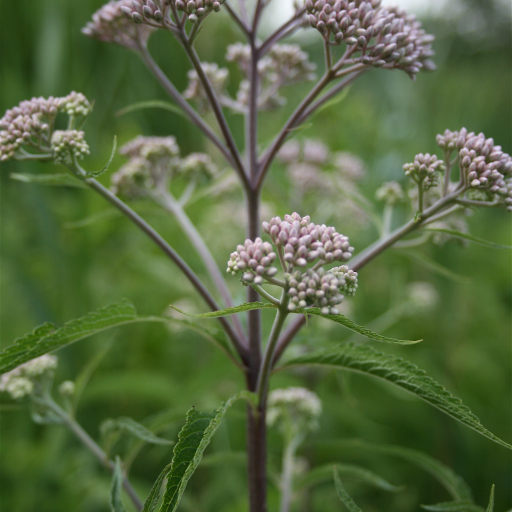
Known as the majestic "Spotted Joe-Pye Weed," this North American native is a true skyscraper of the garden. Legend has it that a Native American healer named Joe Pye used this plant to cure typhus outbreaks in New England, earning it a permanent place in folklore. With its towering height and massive clusters of dusty-rose flowers, it acts as a grand, floral architectural piece for any landscape.
🔍 How to Identify
- 🟣 The Spotted Stem: True to its name (maculatum means "spotted"), the thick, sturdy stems are distinctively purple-speckled or solid purple, reaching heights of up to 6 feet.
- 🌿 Whorled Leaves: The serrated, lance-shaped leaves grow in "whorls"—circular patterns of 4 to 5 leaves radiating from a single point on the stem.
- 🌸 Fuzzy Flower Heads: The plant is topped with large, flat-topped clusters of tiny, fringed, pink-to-purple blossoms that look almost like soft clouds from a distance.
🏡 In Your Garden
- 💧 The "Wet Feet" Rule: Unlike many garden plants that fear rot, Joe-Pye Weed thrives in moist, even boggy soil. It is the perfect candidate for rain gardens or low spots where water tends to settle.
- 🦋 A Pollinator Party: If you want butterflies, this is your plant. It is a primary nectar source for Monarchs, Swallowtails, and bumblebees, often looking like it’s vibrating with life during late summer.
- 📐 Space Requirements: Because it grows so tall and wide, it needs a "back-of-the-border" spot. It rarely needs staking despite its height because the stems are incredibly woody and strong.
⚠️ Safety & Toxicity
- 🟢 Low Risk: Spotted Joe-Pye Weed is generally considered non-toxic to humans and common household pets like cats and dogs when touched or grown in the garden.
- 🐄 Livestock Caution: While safe for the backyard, it contains small amounts of pyrrolizidine alkaloids. In a wild pasture setting, large-scale ingestion by livestock can lead to liver issues over long periods, though most animals find it unpalatable and avoid it.
✨ Fun Fact
Joe-Pye Weed is often called "Gravel Root" because its massive, tough root system was historically used in folk medicine to treat kidney stones and urinary ailments. In the garden, these roots are so efficient at holding soil that they are frequently used to prevent erosion along riverbanks!

Detailed Care Instructions
To grow Eutrochium maculatum, commonly known as Joe Pye weed, follow these steps:
- Choose a suitable location: Joe Pye weed thrives in full sun to partial shade. It prefers moist, well-draining soil but can tolerate various soil types.
- Prepare the soil: Before planting, ensure the soil is amended with organic matter to improve drainage and fertility. Remove any weeds or debris from the planting area.
- Planting: Dig a hole that is slightly larger than the root ball of the plant. Gently place the plant into the hole, ensuring that the crown (where the stem meets the roots) is level with the soil line. Backfill the hole with soil and pat it gently to eliminate air pockets.
- Watering: Immediately after planting, water the Joe Pye weed thoroughly. Keep the soil consistently moist but not waterlogged for the first few weeks until the plant establishes. Afterward, it can tolerate periods of drought.
- Mulching: Apply a layer of organic mulch around the plant to retain moisture and suppress weed growth. Leave a gap around the stem to prevent rotting.
- Support: Some Joe Pye weed varieties can grow tall and may require support. Install stakes or plant supports around the plant early in the growing season to prevent flopping or breaking.
- Pruning: In late winter or early spring, cut back the previous year's stems to about 6-8 inches above ground level. This promotes fresh growth and prevents overcrowding. Deadheading spent flower heads can prolong the blooming period.
- Fertilizing: Joe Pye weed usually doesn't require heavy fertilization, but you can apply a balanced, slow-release fertilizer in spring if needed. Follow the package instructions for application rates.
- Division: Every 3-5 years, consider dividing mature Joe Pye weed plants to control their size and rejuvenate growth. Dig up the plant, separate the root clumps, and replant the divisions in new locations.
- Pests and diseases: Joe Pye weed is relatively pest and disease-resistant. However, it can occasionally face issues like powdery mildew or aphid infestations. Monitor the plant regularly and treat any problems promptly with organic solutions if necessary.
By following these steps, you should be able to successfully grow Eutrochium maculatum in your garden or landscape. Remember to provide proper care, monitor its growth, and enjoy the beautiful blooms it produces.

Place in a window with dappled sun or a spot in the middle of a room. Or directly in a window facing west or east.
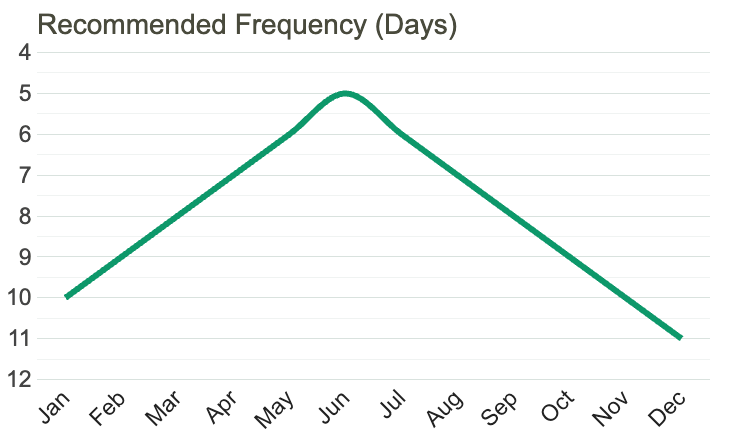
Eutrochium Maculatum is a perennial plant that requires regular watering throughout the growing season. The soil around the plant should be kept evenly moist but not waterlogged. It is important to avoid overwatering or underwatering the plant as both can have adverse effects on its growth and health.
One effective way to water Eutrochium Maculatum is by using a drip irrigation system. This will ensure that water is delivered directly to the plant's root zone, which is where it is needed most. Alternatively, the plant can be watered using a watering can or a garden hose, but care must be taken to avoid getting water on the leaves or stalks.
During periods of prolonged drought or heat, Eutrochium Maculatum may require more frequent watering to ensure that it does not become stressed or damaged. It is important to monitor the soil moisture levels regularly and adjust watering accordingly.
In addition to watering, it is also important to ensure that the plant has adequate drainage to prevent waterlogging. This can be achieved by ensuring that the soil is well-draining and by avoiding planting the plant in areas where water tends to accumulate.
Overall, Eutrochium Maculatum is a relatively easy plant to care for, but proper watering is essential for its long-term health and vitality. With the right watering technique and regular monitoring, this plant can thrive in a variety of growing conditions.
Fertilize the plant with a balanced fertilizer in the spring when new growth emerges. Repeat the application every 6-8 weeks until late summer. Avoid over-fertilizing as it can cause growth that is too rapid and weak. Apply fertilizer at the base of the plant, water well after application, and be sure to follow the manufacturer's instructions for dosage and frequency.
When planting the Eutrochium Maculatum, it is recommended to use soil that contains a mix of organic matter and well-draining soil. The organic matter can be in the form of compost or aged manure. The soil pH range should be between 6.0 and 7.0. If the soil is too acidic, the plant may struggle to absorb nutrients. In addition, the soil should be moist but not waterlogged. The Eutrochium Maculatum plant prefers soil that is consistently moist but not waterlogged or overly dry. It is recommended to fertilize the plant once a year in the spring with a balanced fertilizer to promote healthy growth.
Eutrochium Maculatum plant can be propagated through root division or from seeds. In order to propagate through root division, first, dig up the mature plant with a shovel in the early spring or fall. Then, carefully separate the roots into several sections using a clean and sharp gardening tool. Each section should have several buds or growth points to ensure successful propagation. After division, replant the sections in well-drained soil in a shaded or partially shaded area. Water the newly planted sections regularly and keep the soil moist.
To propagate Eutrochium Maculatum from seeds, collect the seeds from the matured flower heads in the fall. Store the seeds in a dry and cool place until the spring. In the spring, prepare a pot or seed tray filled with potting soil and sprinkle the seeds over the soil surface. Cover the seeds with a thin layer of soil and keep the soil moist. Place the seed tray in a shaded area with consistent humidity. Once the seedlings have grown several inches tall, transplant them into individual pots or directly into the ground.
Common pests of the spotted joe-pye weed include Spider mites, aphids, snails. Make a habit of checking your spotted joe-pye weed frequently for pests so that any infestations can be caught and managed early.