Plant Overview
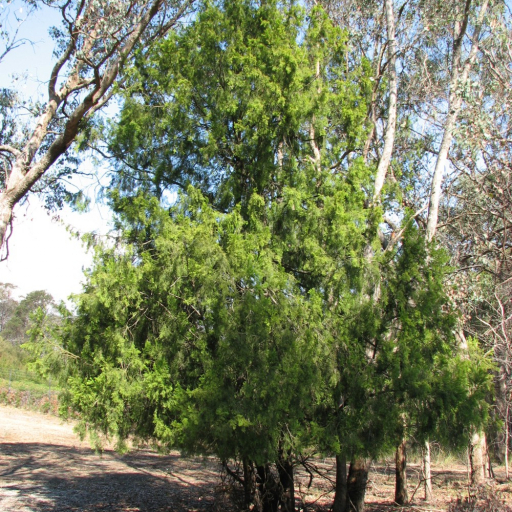
Often called the Native Cherry or Cherry Ballart, this fascinating Australian tree is a master of disguise. While it looks like a soft, weeping Cypress or Pine tree, it is actually a flowering plant that leads a secret double life. Indigenous Australians have cherished this tree for centuries, using its sweet fruit as a snack and its dense wood for crafting tools.
🔍 How to Identify
- 🌿 Scale-like Foliage: Instead of broad leaves, it features tiny, bronze-green scales that hug slender, weeping branches, giving it a conifer-like appearance.
- 🍒 "Inside-Out" Fruit: The most distinctive feature is the fruit; a hard, green seed sits outside and on top of a swollen, fleshy, bright red stalk (pedicel).
- 🌲 Conical Growth: It typically grows as a small tree or large shrub with a neat, Christmas-tree-like shape, reaching about 3 to 8 meters in height.
🏡 In Your Garden & Nature
- 🌳 The Secret Parasite: This plant is a "hemi-parasite." It attaches its roots to the roots of nearby trees (usually Eucalypts) to steal water and minerals, though it still produces its own energy through photosynthesis.
- 🌱 Tough to Tame: Because of its parasitic nature, it is famously difficult to grow in home gardens. It cannot survive without a host plant nearby, making it a rare prize for advanced native plant enthusiasts.
⚠️ Safety & Toxicity
- 🍎 Edible Fruit: The bright red, fleshy stalk is edible and has a sweet, slightly astringent taste. It is a favorite for local birds and foragers alike.
- 🚫 Seed & Foliage: While the red stalk is safe, the hard green seed on the end is not edible. As with many wild plants, the foliage should not be consumed by humans or pets, as it may cause digestive upset.
✨ Fun Fact
The scientific name Exocarpos literally translates from Greek to "outside fruit." It refers to the unique way the seed is perched on the outside of the fleshy red base, rather than being tucked away in the center like a traditional cherry!

Detailed Care Instructions

Place in a bright room that is sun drenched almost all day. Or directly in a south-facing window.
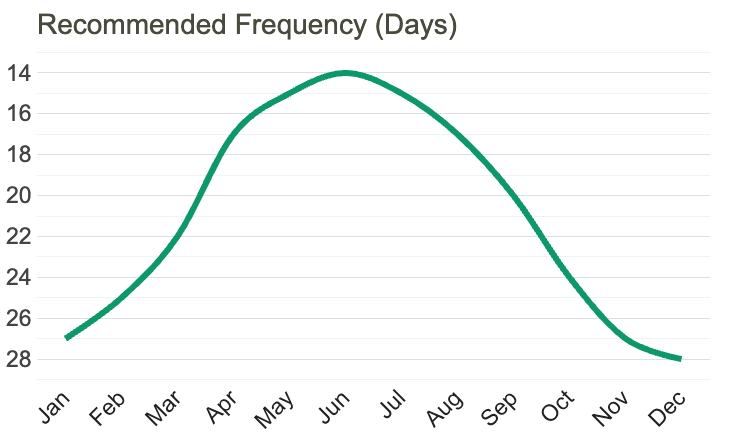
When the top few inches of soil dry out, water your plants. If the top few inches of soil are still moist, do not water your plant. Wait a few days, then poke your finger into the soil to see if anything has changed. Overwatering poses a disease risk, such as the development of fungal diseases in the roots. These plants have adaptations in there leaves that allow them to survive in low water supply.