Plant Overview
Often called the Wood Fescue, this elegant perennial grass acts as a living indicator of ancient, undisturbed woodlands. Unlike its sun-loving cousins found on domestic lawns, Festuca altissima prefers the dappled light and cool whispers of the forest floor. It is prized by naturalists for its graceful, fountain-like habit and its ability to bring a sense of wild, prehistoric lushness to shaded spaces.
🔍 How to Identify
- 🌿 Broad Blades: The leaves are surprisingly wide for a fescue, often reaching over a centimeter across, featuring a vibrant, lime-to-forest green color with a slightly rough texture.
- 📏 Stately Height: Living up to its name Altissima (meaning "the tallest"), this grass creates impressive tufts that can reach heights of nearly 4 feet when in full bloom.
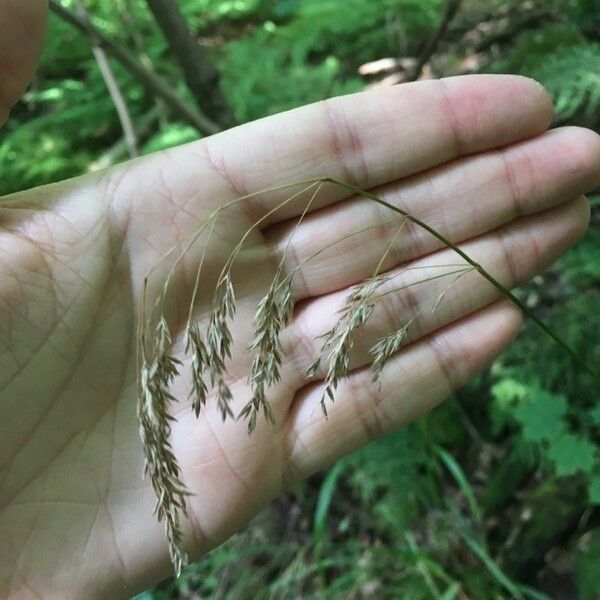
- 🌾 Nodding Panicles: During the summer, it produces loose, airy flower clusters that hang gracefully to one side, looking like delicate green lace draped over the foliage.
🏡 In Your Garden
- 🌳 Shade Specialist: This is one of the few grasses that truly thrives in deep to partial shade. It is an ideal candidate for "forest gardening" or as an under-planting for large, established deciduous trees.
- 💧 Moisture & Soil: It favors damp, nutrient-rich, and slightly acidic-to-neutral soils. It dislikes "wet feet" but will quickly brown if the soil dries out completely, so consistent moisture is key to its happiness.
⚠️ Safety & Toxicity
- ✅ Generally Safe: Festuca altissima is not known to be toxic to humans, dogs, or cats, making it a "worry-free" addition to a family garden.
- 🧤 Sharp Edges: Like many forest grasses, the leaf margins can be quite sharp. It is wise to wear gardening gloves when dividing the plant or clearing old foliage to avoid minor skin nicks.
✨ Fun Fact
- 📜 The Ancient Marker: In many parts of Europe, the presence of Wood Fescue is used by ecologists as a "biological clock." Because it spreads so slowly and prefers stable environments, seeing it in the wild often indicates that the woodland has remained undisturbed for hundreds of years!

Detailed Care Instructions
To grow Festuca altissima, also known as tall fescue or golden fescue, you can follow these steps:
- Select a suitable location: Festuca altissima requires full sun to partial shade. Choose a spot in your garden that receives at least 6 hours of sunlight a day. The soil should be well-drained and fertile.
- Prepare the soil: Remove any weeds, rocks, or debris from the planting area. Loosen the soil using a garden fork or tiller to a depth of about 6-8 inches. Add organic matter, such as compost or aged manure, to improve the soil's fertility and drainage.
- Plant the seeds or seedlings: Festuca altissima can be grown from seeds or seedlings. If using seeds, sow them directly into the prepared soil in early spring or fall, following the package instructions for spacing and depth. Alternatively, you can plant seedlings, which are more convenient but may be harder to find.
- Water regularly: After planting, water the soil evenly to keep it consistently moist but not waterlogged. Do not let the soil dry out completely between waterings, especially during the establishment phase. Once the plants are established, they are more drought-tolerant.
- Maintain proper care: Fescue grasses are generally low maintenance. However, to help Festuca altissima thrive, follow these guidelines:
- Fertilization: Apply a slow-release, balanced fertilizer in early spring as recommended by the manufacturer.
- Mowing: Festuca altissima is a cool-season grass that can be mowed to a height of about 2-3 inches. Regular mowing will maintain the plant's appearance and prevent it from becoming overgrown.
- Weed control: Keep the planting area free of weeds, as they can compete for nutrients and sunlight.
- Pest and disease control: Tall fescue grasses are relatively resistant to pests and diseases. However, monitor the plants for any signs of issues, such as fungal diseases or insect damage, and take appropriate action if necessary.
- Fertilization: Apply a slow-release, balanced fertilizer in early spring as recommended by the manufacturer.
- Regularly divide and propagate: Over time, Festuca altissima can become crowded and less vigorous. To maintain its health and density, divide the clumps every few years in early spring or fall. Carefully dig out the clump and separate it into smaller sections, then replant them in the desired location.
By following these steps, you can successfully grow Festuca altissima in your garden.

Place in a bright room that is sun drenched almost all day. Or directly in a south-facing window.

To water the Festuca Altissima plant, it is important to consider the specific needs of the plant. Here are some detailed instructions on how to water this plant effectively:
1. Assess the soil moisture: Before watering, check the moisture level in the soil. Insert your finger about 2-3 inches into the soil, near the plant's roots. If it feels dry, it's time to water. If the soil is still moist, wait a little longer before watering.
2. Water quantity: Provide enough water to thoroughly moisten the soil. Water should reach the root zone of the plant, which is typically around 6-8 inches deep. Aim to wet the soil evenly, but avoid over-watering, as it can lead to root rot or other issues.
3. Watering frequency: The frequency of watering may vary depending on various factors like climate, soil type, and plant size. As a general guideline, water the Festuca Altissima when the top inch of the soil feels dry. Depending on conditions, this may occur every 7-10 days, but always adjust based on the plant's specific needs.
4. Watering technique: Use a gentle watering technique to prevent water runoff or puddling. One effective way to water is to use a soaker hose or a drip irrigation system. Alternatively, you can use a watering can with a fine rose attachment or a nozzle that provides a gentle spray. This allows water to be evenly distributed and absorbed by the soil without causing damage to the plant.
5. Watering schedule in different seasons: Adjust the watering schedule based on the seasons. During the plant's active growth period, usually spring and fall, the water requirements may increase. In hot summer months or during drought conditions, the plant may need more frequent watering.
6. Drainage considerations: Ensure that the planting area has proper drainage to prevent waterlogging. The Festuca Altissima plant prefers well-drained soil, so if the soil is heavy or retains excessive moisture, consider adding organic matter such as compost to improve drainage.
Remember, these instructions are general guidelines, and it is always important to monitor the plant and make adjustments based on its specific needs.
Festuca altissima is a perennial plant that requires appropriate fertilization for optimal growth and health. Here are some fertilizing instructions:
- Timing: Apply fertilizer in early spring, just before new growth emerges, and again in late spring or early summer. Avoid fertilizing in the fall or winter.
- Soil testing: Conduct a soil test to determine the nutrient levels and pH of your soil. This will help determine the appropriate fertilizer needed as well as any soil amendments required.
- Nitrogen requirement: Festuca altissima benefits from a higher nitrogen content in the fertilizer. Look for a fertilizer with a higher first number (nitrogen content) compared to the other two.
- Balanced NPK: Choose a balanced fertilizer with an NPK ratio (nitrogen-phosphorus-potassium) of around 10-10-10 or similar. This will provide a well-rounded nutrient supply for the plant.
- Application method: Apply the fertilizer evenly over the soil surface around the base of the plant. Avoid direct contact with the foliage to prevent burning. Water the plant immediately after fertilizing to help the nutrients penetrate the soil.
- Follow package instructions: Read and follow the instructions provided on the fertilizer packaging regarding the recommended application rates. Over-fertilizing can harm the plant and the surrounding environment.
- Organic alternatives: If you prefer organic fertilizers, choose those specifically formulated for ornamental grasses or perennials. Follow the instructions on the packaging for application rates and timings.
- Mulching: Covering the soil around the Festuca altissima plant with a layer of organic mulch, such as compost or wood chips, can help maintain soil moisture and nutrient levels. This can reduce the need for additional fertilization.
- Regular maintenance: Monitor the growth and health of the Festuca altissima plant throughout the growing season. If you notice signs of nutrient deficiencies (e.g., yellowing leaves, stunted growth), consider adjusting the fertilizer application accordingly or consult with a gardening professional.
Remember, it is important to always use caution and follow recommended practices while fertilizing any plant to ensure its health and well-being.
The ideal soil for the Festuca Altissima plant is typically well-draining, loose, and moderately fertile. It should have good moisture retention while still allowing excess water to drain away, preventing the roots from becoming waterlogged. The pH level of the soil should ideally be in the neutral to slightly acidic range, typically around 6.0 to 7.5.
The soil texture should be loamy or sandy, allowing for adequate airflow and nutrient absorption. A slightly sandy soil also aids in preventing waterlogging. However, it is essential to ensure that the soil maintains sufficient moisture, as excessively sandy soils can quickly dry out.
Organic matter, such as compost or well-decomposed manure, can be added to the soil to improve its fertility and water-holding capacity. This helps provide essential nutrients and promotes healthier plant growth.
It is important to note that the Festuca Altissima plant is adaptable and can tolerate a wide range of soil conditions. However, providing an optimal soil environment promotes better growth, vigorous root development, and overall plant health.
To propagate Festuca Altissima, here are the steps you can follow:
- Select a healthy parent plant: Look for a mature and robust Festuca Altissima specimen in your garden or find one from a reputable nursery.
- Choose the propagation method: There are various ways to propagate Festuca Altissima, including division, seeds, or using stem-cuttings. Depending on your preference and available resources, select the method that suits you best.
- Division method: Carefully dig around the parent plant, ensuring you don't damage the roots. Lift the plant from the ground and separate it into smaller clumps. Each clump should have a sufficient amount of roots and foliage to support its growth.
- Stem-cutting method: Using a sharp, sterilized pair of shears, cut a stem from the parent plant that is around 4-6 inches long. Ensure there are multiple leaves present on the stem. Remove any lower leaves to prevent rotting and encourage root growth.
- Prepare the planting medium: Fill small pots or seed trays with a well-draining potting mix or a combination of sand and peat moss. Moisten the mixture slightly to promote the growth of roots.
- Plant divisions or stem-cuttings: For divisions, plant each separate clump into a prepared pot, ensuring the roots are spread out. For stem-cuttings, dip the cut end into rooting hormone powder to encourage root development. Place the cuttings in the planting medium, burying them about half an inch deep.
- Provide adequate care: Place the potted Festuca Altissima in a bright, partially shaded location. Ensure the soil remains moist but not waterlogged. Mist the foliage regularly to provide humidity and prevent wilting. Keep the temperature between 60-75°F (15-24°C) to promote healthy growth.
- Monitor and maintain: Regularly check the moisture level of the soil and water as needed to keep it slightly damp. After a few weeks, new growth should appear, indicating successful propagation. At this point, you can gradually acclimate the new plants to outdoor conditions if desired.
By following these steps, you can successfully propagate Festuca Altissima and expand your garden with this beautiful plant.








