Plant Overview
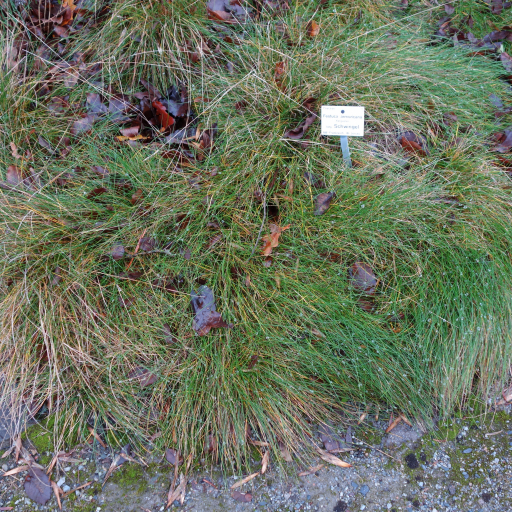
Known as the Brittany Fescue, this charming ornamental grass is a master of the shoreline. Hailing from the rugged, windswept coasts of northwestern France, it brings a touch of wild Atlantic elegance to rock gardens and borders. Its dense, blue-tinted tufts act like living sculptures, holding their shape even in the face of salty sea breezes and poor soil.
🔍 How to Identify
- 🍃 The Foliage: It forms tight, low-growing mounds of exceptionally fine, needle-like leaves that feel stiff to the touch.
- 🎨 The Color: The leaves are "glaucous," meaning they have a waxy, silvery-blue or sage-green coating that helps the plant retain moisture.
- 🌾 The Inflorescence: In late spring and early summer, slender stems rise above the foliage carrying delicate, airy flower panicles that start out green-tinged with purple and fade to a soft straw color.
🏡 In Your Garden
- 🏖️ The Dune Specialist: Because its natural habitat is the sandy dunes of the Armorican coast, this fescue is incredibly salt-tolerant and thrives in "lean" or nutrient-poor soil where thirstier plants would fail.
- 🚫 Avoid the "Wet Feet": This plant’s biggest enemy is sitting in soggy soil. It has evolved to thrive on fast drainage; in heavy clay, the root crown may rot. It is best used in rockeries, gravel gardens, or as a "filler" in well-drained pots.
- ✂️ Spring Grooming: Unlike some grasses that need a hard haircut, the Brittany Fescue only needs a gentle "combing." Wear gloves and run your fingers through the tuft in early spring to pull out dead, brown blades.
⚠️ Safety & Toxicity
- 🟢 Safe for All: Festuca armoricana is considered non-toxic to humans, dogs, and cats. It is a very "pet-friendly" choice for textural landscaping.
- 🌾 Pollen Warning: While the plant itself is safe, it does produce wind-borne pollen during its flowering phase in June and July, which may trigger mild hay fever in sensitive individuals.
✨ Fun Fact
The name "Armoricana" is derived from the ancient Celtic word Aremorica, which means "Place by the Sea." It refers to the historical region of Gaul between the Seine and Loire rivers, where this grass was first identified.

Detailed Care Instructions
To water this particular plant, you should first check the soil moisture level by sticking your finger into the soil about an inch deep. If the soil feels dry, it is time to water. When you water, do so slowly and deeply to ensure the water reaches the roots. Avoid getting water on the foliage as this can encourage disease. It is important not to overwater the plant, as it prefers well-draining soil. Allow the top layer of soil to dry out before watering again. You should also consider the plant's position and ambient temperature, as these factors can affect how much water it needs.