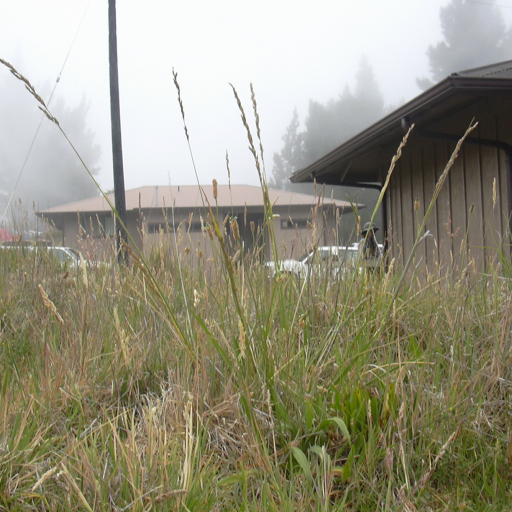
Plant Overview
The "survivalist" of the lawn world, Tall Fescue is the go-to choice for homeowners who want a lush green yard without the high-maintenance drama. Originally hailing from Europe and North Africa, this rugged perennial bunchgrass has earned its reputation for being nearly indestructible in the face of summer heat. Whether it's a high-traffic backyard for kids or a steep hill prone to erosion, Tall Fescue stands its ground with quiet, deep-rooted strength.
🔍 How to Identify
- 🌿 The Blades: Look for wide, coarse leaf blades that are a deep, matte green. The upper surface is noticeably "ribbed" with parallel veins, while the underside is smooth and shiny.
- 🌱 Growth Habit: Unlike grasses that spread through creeping runners, Tall Fescue is a "bunchgrass." It grows in dense individual clumps that expand outward, creating a thick, tufted carpet.
- 🌾 The Collar Area: If you pull a blade back from the stem, you’ll notice a very short, membranous ligule (a tiny flap) and small, rounded "auricles" (ear-like structures) that are typically hairless.
🏡 In Your Garden
- 💧 Drought Champion: The secret to its resilience is its massive root system, which can reach depths of 2 to 3 feet. This allows the plant to tap into water reserves deep in the soil long after the surface has dried out.
- 🚜 High-Traffic Hero: Because of its coarse texture and tough fibers, it handles "foot traffic" from dogs and children better than delicate grasses like Fine Fescue. However, because it doesn't spread via runners, any bare patches will need to be "overseeded" rather than waiting for the grass to fill in the gaps itself.
⚠️ Safety & Toxicity
- ✅ Status: Generally safe for humans and common household pets like dogs and cats.
- 🐎 Livestock Warning: Some older agricultural varieties contain "endophytes"—a beneficial fungus that helps the grass survive pests. While harmless to pets, these can cause "Fescue Toxicosis" in livestock, particularly pregnant horses or cattle, if grazed in large quantities.
✨ Fun Fact
Tall Fescue is often called the "Eco-Grass" because its deep roots allow it to stay green with up to 30% less water than Kentucky Bluegrass, making it a favorite for sustainable landscaping in transition zones.

Detailed Care Instructions
To grow Festuca arundinacea, also known as tall fescue, follow these steps:
- Choose the right location: Tall fescue grows best in areas with cool-season climates and is well-adapted to a wide range of soil types, including acidic and alkaline soils. Ensure the location has full sun to partial shade.
- Prepare the soil: Loosen and enrich the soil by removing any weeds, rocks, or debris. Incorporate organic matter like compost or aged manure to improve soil fertility and drainage.
- Planting seeds: Tall fescue can be grown from seed. Sow the seeds by spreading them evenly over the prepared soil. Lightly rake them into the top layer of the soil, ensuring good seed-to-soil contact.
- Watering: Keep the soil consistently moist to aid in germination. Water regularly, but avoid over-watering or allowing the soil to become waterlogged.
- Fertilizing: After the grass has established and developed a strong root system, apply a slow-release nitrogen fertilizer according to the manufacturer's recommendations. This will help promote healthy growth and a lush appearance.
- Mowing: Once the grass reaches a height of 3 to 4 inches, you can start mowing. Set the mower height to around 2.5 to 3 inches to maintain a well-manicured appearance. Avoid cutting more than one-third of the grass blade length at a time.
- Weed control: Tall fescue is relatively resistant to weeds, but it's still important to monitor and manage any invasive plants that appear. Hand-pulling or spot-treating weeds with herbicides specific to your region can help control them.
- Watering and maintenance: Regularly water the lawn, providing about 1 inch of water per week, either through rainfall or irrigation. Monitor for any signs of pests or diseases and take appropriate action if necessary.
- Overseeding: Over time, some areas of the lawn may thin out. To rejuvenate the grass, you can overseed by spreading additional tall fescue seeds over the thin areas and lightly raking them into the soil.
Remember to consult with local gardening experts or extension offices to determine the best practices for growing tall fescue in your specific region.
To properly water this plant, you should first inspect the soil to ensure that it has dried out before watering. It is recommended to water thoroughly, allowing the water to soak through the soil and drain out any excess. It is important to avoid overwatering as this can lead to root rot. Consider using a moisture meter or sticking your finger into the soil to determine if it is time to water. Outdoor plants may require more water during hot and dry weather, while indoor plants may require less water in lower light conditions.
To properly fertilize the Festuca arundinacea plant, follow these instructions:
- Choose a balanced, slow-release fertilizer with a ratio of 10-10-10 or 14-14-14. This will provide essential nutrients without causing excessive growth.
- Apply the fertilizer during the plant's active growing season, typically in the spring or early summer.
- Before fertilizing, water the plant thoroughly. This will ensure better absorption of nutrients and prevent root burn.
- Measure the recommended amount of fertilizer according to the package instructions. Avoid applying excessive amounts, as this can harm the plant.
- Distribute the fertilizer evenly around the base of the Festuca arundinacea plant. Keep it at least 6 inches away from the stems to prevent fertilizer burn.
- Gently work the fertilizer into the soil surface using a garden rake or your hands.
- After applying the fertilizer, water the plant again to help dissolve and distribute the nutrients into the soil.
- Repeat the fertilization process once or twice a year, following the same guidelines. Adjust the timing and frequency based on the specific fertilizer instructions and the plant's growth requirements.
Remember to always read and follow the instructions provided by the fertilizer manufacturer for best results.
Festuca arundinacea is a type of plant that requires well-draining soil that is rich in nutrients. The soil should have a pH that ranges between slightly acidic to neutral. It prefers soil that is neither too wet nor too dry, so moderate moisture is best.
In terms of texture, the ideal soil for Festuca arundinacea should be slightly sandy and loamy. This type of soil provides a good balance between water drainage and water retention.
When planting Festuca arundinacea, it is important to prepare the soil beforehand. This can be done by loosening and aerating the soil to a depth of at least 6 inches, to encourage healthy root growth. Adding organic matter such as compost or leaf mold can help to improve soil structure and nutrient content.
Lastly, it is recommended to avoid using heavy soil or soil that is rich in clay. These types of soil will tend to hold onto water and can lead to root rot or other issues with the plant's health.
Festuca Arundinacea is a perennial grass plant that can be propagated through several methods. Here are the details on how to propagate this plant:
- Division: One of the most common and easiest ways to propagate Festuca Arundinacea is through division. Start by digging up an established plant in early spring or fall when the plant is dormant. Use a sharp garden knife or spade to divide the clump into smaller sections, ensuring that each division has enough roots and foliage. Replant the divisions at the same depth as the original plant, spacing them apart according to their mature size.
- Seeds: Festuca Arundinacea can also be propagated through seeds. Collect mature seed heads from the plant in early autumn when they have turned brown and are dry. Remove the seeds from the seed heads and store them in a cool, dry place until spring. In early spring, sow the seeds in prepared soil, covering them lightly with a thin layer of soil. Keep the soil consistently moist until the seeds germinate, which may take a few weeks. Transplant the seedlings to their permanent location once they are large enough to handle.
- Plugs or Turfgrass Sod: Using plugs or turfgrass sod is another way to propagate Festuca Arundinacea. Purchase plugs or small sections of sod from a reputable nursery or garden center. Prepare the soil by removing any weeds or grass and loosening it with a garden fork or tiller. Dig holes or prepare a trench according to the size of the plugs or sod sections. Place the plugs or sod sections into the holes or trench, ensuring they are level with the surrounding soil. Fill in any gaps or spaces around the plug or sod section with soil. Water the area thoroughly and keep the soil moist until the plugs or sod establish roots.
- Rhizome Division: Festuca Arundinacea may also have rhizomes, which are horizontal underground stems. To propagate through rhizomes, dig up an established plant in early spring or fall. Carefully separate the rhizomes from the main plant, ensuring each division has healthy roots and shoots. Replant the rhizome divisions at the same depth as the original plant, spacing them apart as needed. Water the newly planted divisions thoroughly and maintain moisture until they establish well.
Whether propagating through division, seeds, plugs, or rhizome division, it's important to provide proper care, such as regular watering, adequate sunlight, and appropriate soil conditions, to ensure successful propagation and healthy growth of Festuca Arundinacea plants.








