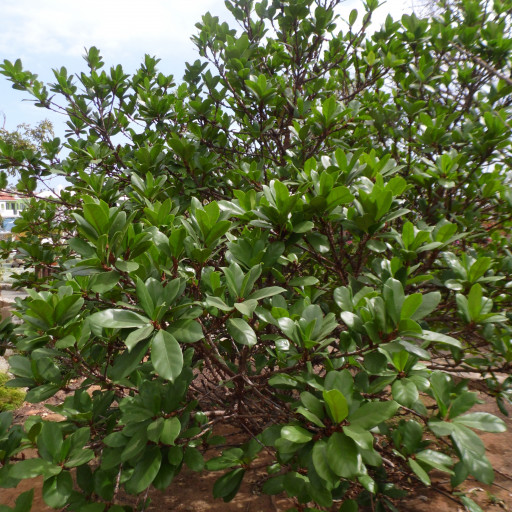
Plant Overview
The Ficus cyathistipula, affectionately known as the African Fig, is the sturdy, low-maintenance cousin of the notoriously temperamental Fiddle Leaf Fig. Originating from the tropical rainforests and swamps of Africa, this plant is beloved for its deep emerald foliage and its "can-do" attitude in indoor environments. If you want the dramatic "big leaf" look without the heartbreak of sudden leaf drop, this is your perfect green companion.
🔍 How to Identify
- 🍃 Lush Foliage: The leaves are dark, leathery, and shaped like long, slender teardrops (obovate) with a distinct glossy finish that reflects light beautifully.
- 🏺 The "Cup" Stipules: Look closely at the base of new leaves; you will see persistent, brown, cup-shaped scales (stipules) that protect the buds—this is the feature that gives the plant its Latin name, cyathistipula.
- 🍒 Ornamental Figs: It is one of the few indoor Ficus species that frequently produces small, round, greenish-yellow figs even when kept as a houseplant.
🏡 In Your Garden
- 🚿 Humidity Lover: Because it hails from African riverbanks, it thrives when misted or placed near a humidifier. However, it is far more forgiving of dry indoor air than most of its relatives.
- 🧗 Versatile Growth: Naturally a bit "leggy" and wild, it can be easily pruned into a structured indoor tree or allowed to grow into a dense, bushy screen for natural home privacy.
- 🪴 Resilient Roots: It possesses a vigorous root system that handles occasional overwatering better than other figs, though it still prefers a well-draining "chunky" soil mix to mimic the forest floor.
⚠️ Safety & Toxicity
- 🚫 Toxic to Pets: Like all members of the Ficus family, this plant contains a milky white sap (latex) that is toxic if ingested by cats, dogs, or curious toddlers. It can cause vomiting and oral irritation.
- 🧴 Skin Irritant: The sap can cause mild skin irritation or "phytophototoxicity" in sensitive individuals. It is a good idea to wear gloves when pruning or cleaning your plant.
✨ Fun Fact
In its native African habitat, this fig often starts its life as an "epiphyte," growing high up in the branches of other trees before eventually sending long "aerial roots" down to the soil to support itself!

Detailed Care Instructions
| Color | Green Foliage Emerging From Brown Branches With White Blooms |
| Soil Ph | Acidic To Neutral |
| Humidity | Normal |
| Lighting | Part Sun |
| Soil Type | Well-Draining, Potting, Or Garden Soil |
| Bloom Time | Spring |
| Difficulty | Medium |
| Plant Type | Perennial Tree |
| Mature Size | Up To 10 Feet Tall And 6.5 Feet Wide |
| Native Area | Central Africa |
| Temperature | 16°C - 27°C |
| Sun Exposure | Bright, Indirect Light, Partial Shade |
| Hardiness Zones | 10-12 |
To grow a Ficus Cyathistipula plant, also known as the African fig or baggy tree, follow these steps:
- Find a suitable location: Ficus Cyathistipula plants prefer indirect or filtered sunlight, so locate your plant in a spot with bright but indirect light. Avoid placing it in direct sunlight, as this can scorch the leaves.
- Select the right soil: Use well-draining soil that is rich in organic matter. You can also mix equal parts of potting soil and orchid bark or perlite to improve drainage.
- Choose the right container: Select a pot with drainage holes to prevent waterlogged soil. The size of the container should be appropriate for the size of the plant, allowing for some room for growth.
- Watering: Ficus Cyathistipula plants prefer consistently moist but not soggy soil. Water the plant when the top inch of soil feels dry, and ensure excess water drains out of the pot to avoid root rot.
- Humidity: These plants thrive in high humidity environments. You can increase humidity by misting the leaves with water regularly or placing a tray filled with water and pebbles near the plant.
- Temperature: Ficus Cyathistipula plants prefer temperatures between 60-75°F (15-24°C). Protect them from cold drafts and drastic temperature changes.
- Fertilizing: Feed your Ficus Cyathistipula with a balanced, water-soluble fertilizer diluted to half the recommended strength. Fertilize once a month during spring and summer, and reduce or stop fertilizing during winter.
- Pruning: Regularly prune your plant to maintain its shape and size. Pruning also helps to remove any dead or damaged branches and promotes bushier growth.
- Repotting: Every 2-3 years, repot your Ficus Cyathistipula plant into a larger container with fresh soil. This allows the roots to have enough space to grow.
- Pest control: Occasionally, these plants can be affected by pests such as mealybugs, scale insects, or spider mites. Check the plant regularly for any signs of pests and take appropriate measures such as wiping the leaves with a damp cloth or using insecticidal soap.
Remember to observe your plant closely and adjust care accordingly. With proper attention, your Ficus Cyathistipula should grow and thrive.

Place in a window with dappled sun or a spot in the middle of a room. Or directly in a window facing west or east.

To water this plant, it is important to allow the top layer of soil to dry out before watering again. Water should be added slowly to the soil, ensuring that it reaches the roots without creating puddles on the surface. Overwatering should be avoided as it can lead to root rot. It is also important to provide adequate drainage in the container or planting site to prevent water from accumulating and causing damage to the plant. Additionally, this plant prefers slightly acidic soil, so using rainwater or distilled water can help prevent buildup of minerals or chemicals in the soil.
- Choose a balanced, water-soluble fertilizer that contains equal parts of nitrogen, phosphorus, and potassium.
- Dilute the fertilizer in water according to the package instructions, usually one teaspoon of fertilizer per gallon of water.
- Water the plant thoroughly before applying the fertilizer to avoid burning the roots.
- Pour the fertilizer solution onto the soil around the base of the plant, taking care not to get any on the leaves.
- Only fertilize once a month during the growing season (spring and summer) and reduce to every two months during the dormant season (fall and winter).
- Monitor the plant for any signs of over-fertilization, such as brown leaf tips or wilting. If this occurs, reduce the amount of fertilizer and frequency of application.
For growing Ficus Cyathistipula, you require well-draining soil that is rich in nutrients and organic matter. The soil should have a pH level ranging between 5.5 to 7.5. The plant prefers soil that is slightly acidic to neutral.
You can use a mix of peat moss, perlite, and vermiculite to prepare the soil for Ficus Cyathistipula. Alternatively, you can use a pre-made potting mix that is specifically formulated for indoor plants. Ensure that the soil is loose and airy, allowing for proper air circulation and drainage.
Avoid using heavy and clayey soil as it retains water and can lead to root rot. Similarly, do not use sandy soil as it is not nutrient-rich and dries out too quickly. Adding organic matter like compost, leaf litter, or manure can help improve the quality of the soil.
Ensure that the soil is consistently moist but not oversaturated or waterlogged. Ficus Cyathistipula plants prefer growing in slightly moist soil, so you must avoid letting it dry out. However, overwatering can cause the soil to become waterlogged, leading to root rot and other fungal diseases.
To propagate this plant species, you can start by taking cuttings from the parent plant. Make sure to use a sharp, clean cutting tool to avoid damaging the stem. Cut a healthy stem that is about four to six inches long and has at least two or three leaves. Trim off any bottom leaves so you have a bare stem.
Next, dip the cut end of the stem in rooting hormone powder. This will help stimulate root growth. Then, place the stem in a pot filled with moist soil or in a jar of water. If planting in soil, make sure to keep the soil moist but not waterlogged. If rooting in water, change the water every few days and make sure to keep the stem submerged.
Place the pot or jar in a bright, warm location. Keep it out of direct sunlight to avoid scorching the plant. After a few weeks, the cutting should start to produce roots. Once the roots are several inches long, you can transplant the new plant into a larger pot or outside in a garden. Water regularly and provide plenty of bright, indirect light.








