Plant Overview
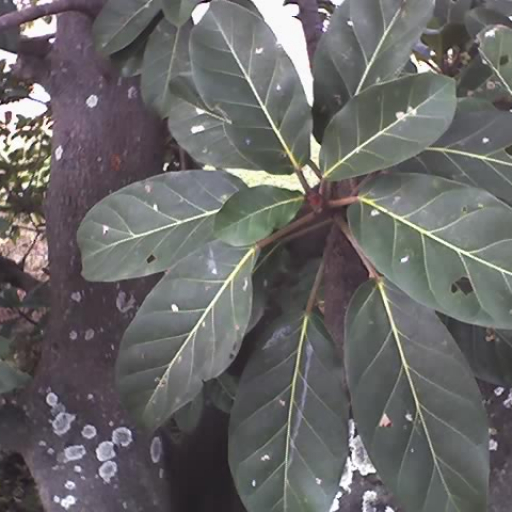
Known as the Giant Leaf Fig or the Zulu Fig, this majestic African native is a true titan of the botanical world. In its natural habitat, it often begins life as an "epiphyte," hitching a ride on other trees before sending down massive aerial roots to claim the soil. With its sprawling, umbrella-like canopy and glossy, oversized leaves, it is a favorite for those looking to create a tropical jungle aesthetic in large spaces.
🔍 How to Identify
- 🍃 The Foliage: Massive, leathery leaves that can grow over a foot long. They are a deep, waxy green with prominent yellow or cream-colored midribs and veins.
- 🌳 Growth Habit: A fast grower that develops a wide, spreading crown. In older specimens, you will notice impressive buttress roots or "prop" roots hanging from the branches.
- 🍒 The Fruit: It produces small, stalkless figs that turn from a pale green to a dusty yellow or orange when ripe, growing in pairs tucked against the stems.
🏡 In Your Garden
- 🏗️ Root Awareness: If planting outdoors, give this tree plenty of room. Its root system is incredibly vigorous and "thirsty"; it has a reputation for finding its way into old pipes or lifting nearby pavement if planted too close to structures.
- ☀️ Light & Space: While it can be kept as a large indoor container plant when young, it craves bright, indirect light. If the leaves start to drop, it’s usually a protest against low light levels or a sudden draft.
- 💧 Thirst Quencher: Unlike some desert-dwelling succulents, the Zulu Fig enjoys consistent moisture. It doesn't like "wet feet," but it resents drying out completely, which can lead to browning leaf edges.
⚠️ Safety & Toxicity
- 🛡️ Mildly Toxic: Like most members of the Ficus family, the Ficus lutea contains a milky white sap (latex).
- 🧤 Skin & Pet Warning: This sap can cause skin irritation or "dermatitis" in humans upon contact. If ingested by curious cats or dogs, it can lead to gastrointestinal upset, drooling, or vomiting. It is best to wear gloves when pruning.
✨ Fun Fact
In many parts of Africa, the Giant Leaf Fig is considered a "living grocery store" for wildlife. Because it produces fruit heavily, it attracts a vibrant circus of birds, monkeys, and fruit bats, making it one of the most important ecological "hub" trees in the savanna and forest edges.

Detailed Care Instructions
To grow a Ficus Lutea plant, follow these steps:
- Choose a suitable location: Ficus Lutea plants thrive in a well-lit area with indirect sunlight. It is best to place them near a window where they can receive bright but filtered light throughout the day.
- Select the right soil: Ficus Lutea prefers well-draining soil that is rich in organic matter. Use a combination of potting soil, peat moss, and perlite or sand for better drainage.
- Planting: Choose a pot with drainage holes at the bottom. Fill it with the prepared soil mixture. Gently remove the plant from its container and place it in the pot, ensuring the roots are covered with soil. Press down the soil around the plant to secure it.
- Watering: Water the plant thoroughly after planting, allowing excess water to drain out. Ficus Lutea prefers consistently moist soil, so water it whenever the top inch of soil feels dry. Avoid overwatering, as it can lead to root rot.
- Humidity and temperature: Ficus Lutea plants prefer high humidity. Mist the leaves regularly or place a tray of water near the plant to increase humidity. They also thrive in warm temperatures between 60-80°F (15-27°C), so avoid exposing them to drafts and cold temperatures.
- Fertilization: Feed the Ficus Lutea plant every 2-4 weeks during the growing season (spring and summer) with a balanced, water-soluble fertilizer. Follow the package instructions for the correct dosage.
- Pruning: Prune the plant to maintain its shape and size. Remove dead or yellowing leaves, and trim back overgrown branches. Pruning can be done throughout the year but is best done in spring.
- Repotting: Ficus Lutea plants may require repotting every 2-3 years or when the roots have outgrown the container. Choose a slightly larger pot and repeat the planting process.
- Pest control: Watch for common houseplant pests like aphids, spider mites, and mealybugs. Inspect the plant regularly, and if you notice any pests, treat with an appropriate organic or chemical insecticide.
By following these steps, you can successfully grow a Ficus Lutea plant and enjoy its beautiful foliage.
To water this plant, you should use lukewarm room temperature water and avoid using cold or hot water. You should ensure that the water is evenly distributed throughout the soil, but avoid over-watering as it can cause root rot. Check the soil moisture level with your finger before watering, and only water when the top inch of the soil feels dry. You can also mist the leaves with water to increase humidity levels around the plant. Avoid getting water on the leaves as it can cause fungal growth. It is recommended to water this plant once a week, but it can vary depending on the humidity and temperature of the room.
To fertilize a Ficus Lutea plant, use a balanced fertilizer with a ratio of 10-10-10 or 20-20-20. Dilute the fertilizer to half strength and apply it to the soil every two weeks during the growing season (spring and summer). Avoid over-fertilization as it can cause burning of the plant's roots. Instead, watch for signs of nutrient deficiencies and adjust the fertilization accordingly. During the dormant season (fall and winter), reduce the frequency of fertilization to once a month or stop altogether.
Ficus Lutea plants prefer a well-drained soil that is rich in organic matter. The soil should have a slightly acidic to neutral pH level of 6.0 to 7.0. A soil mix that provides good aeration and drainage while retaining moisture is best suited for this plant. It is important to avoid using heavy or compacted soils as they can lead to root rot. A mixture of sand, peat moss, perlite and compost is a suitable option. Additionally, it is recommended to add some slow-release fertilizer to the soil during the growing season to promote healthy growth.
To propagate this species of plant, you will need to acquire cuttings from the mother plant. Cuttings should be taken in the spring or early summer. Choose a stem that is healthy and has 3-5 leaves. The cutting should be around 15-20cm in length.
Remove the lower leaves from the cutting and dip the cut end in rooting hormone powder. Place the cutting in a pot filled with well-draining soil, making sure that the cutting is inserted deep enough into the soil to ensure stability. It is best to keep the soil moist but not waterlogged.
Keep the pot in a bright, warm location that receives indirect sunlight. It is also important to ensure that the cutting is kept humid by covering it with a plastic bag or placing a clear plastic cup over it. This will create a microclimate around the plant and promote root growth.
After a few weeks, check the cutting for root growth by gently tugging on it. If there is resistance, this is a good sign that roots have formed. Once the roots have established, the plant can be transferred to a bigger pot with fresh soil and kept in a location that receives dappled sunlight.








