Plant Overview
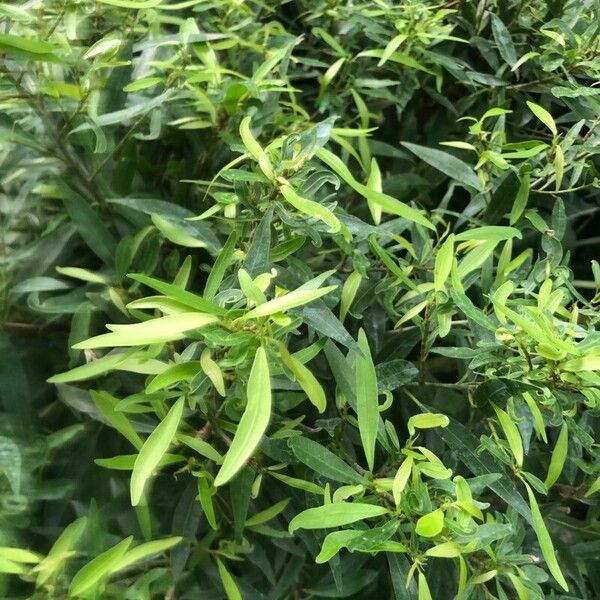
The Willow Leaf Fig, often referred to as the "Narrow Leaf Fig," is the undisputed darling of the tropical bonsai world. Native to Southeast Asia, this elegant tree is beloved for its ability to mimic the graceful, sweeping silhouette of a massive willow tree but in a manageable, miniature form. It is the perfect choice for enthusiasts who want the look of a classic deciduous tree with the resilience of a tropical evergreen.
🔍 How to Identify
- 🍃 Slender Foliage: Unlike the broad leaves of most Ficus species, these leaves are long, narrow, and lance-shaped, tapering to a delicate point.
- 🪵 Textured Bark: The trunk starts smooth and grey but develops beautiful light striations or "tiger-striping" as it ages, giving it a mature, weathered look.
- 🌱 Dense Canopy: It naturally produces a profusion of fine, twiggy branches, which allows it to maintain a very full and lush appearance even when pruned heavily.
🏡 In Your Garden
- ☀️ Light Seekers: This Ficus is light-hungry. To keep the leaves small and the growth tight, it needs the brightest spot in the house. If it feels "neglected" by the sun, it may drop its leaves in a dramatic display of protest.
- 💧 Consistency is Key: It dislikes "wet feet" but hates drying out completely. Because it often lives in smaller pots (especially as a bonsai), it requires a watchful eye to ensure the soil remains consistently moist but well-draining.
- ✂️ Pruning Potential: It is incredibly resilient to styling. You can prune it back hard, and it will respond with a flush of new, even smaller leaves, making it a "living sculpture" that changes with your vision.
⚠️ Safety & Toxicity
- 🧪 Latex Alert: Like all Ficus members, it contains a milky white sap (latex) that can cause itchy skin irritation or "weeping" if it gets on your hands during pruning.
- 🐈 Pet Safety: This plant is considered mildly toxic to cats and dogs. Ingesting the leaves or sap can lead to oral irritation, drooling, and digestive upset. It is best kept on a high shelf or pedestal.
✨ Fun Fact
The Willow Leaf Fig is famous for its "miniaturization" trick—if you remove every single leaf from the tree (a process called defoliation), the next set of leaves that grows back will often be significantly smaller than the originals, enhancing its miniature tree aesthetic!

Detailed Care Instructions
To grow Ficus Salicaria, also known as Willow-leaf fig or Ficus nerifolia, you can follow these steps:
- Choose the right location: Ficus Salicaria thrives in bright, indirect sunlight. Find a spot with ample natural light but without direct sunlight, as it can scorch the leaves. Indoor locations near a window or an outdoor spot with partial shade are ideal.
- Purchase a healthy plant: Obtain a Ficus Salicaria plant from a reputable nursery or garden center. Look for a plant with healthy, vibrant foliage and no signs of pests or diseases.
- Select a suitable container: Ficus Salicaria can be grown in a variety of container sizes, depending on the desired size of the plant. Ensure the container has drainage holes to prevent waterlogging.
- Prepare the soil: Use a well-draining soil mix formulated for indoor plants. You can also create your own mix by combining equal parts peat moss, perlite, and vermiculite.
- Plant the ficus: Fill the container with the prepared soil mix, leaving enough space for the roots. Carefully remove the plant from its nursery pot and place it in the container. Adjust the soil level to ensure the top of the root ball is level with the soil surface.
- Watering: Ficus Salicaria enjoys slightly moist soil but not wet conditions. Water the plant thoroughly when the top inch of soil feels dry to the touch. Avoid overwatering, as it can lead to root rot. Drain excess water from the saucer under the container.
- Humidity: Ficus Salicaria prefers higher humidity levels. You can increase humidity around the plant by using a humidifier, placing a tray of water near it, or misting the leaves regularly.
- Pruning and shaping: Regular pruning helps maintain the desired shape and size of your ficus. Trim back any overgrown or leggy branches to encourage bushier growth. Use clean, sharp pruning shears to avoid damaging the plant.
- Fertilization: Provide nutrients to the ficus by fertilizing it every two to four weeks during the growing season (spring and summer). Use a balanced, water-soluble fertilizer designed for houseplants, following the instructions on the package.
- Pests and diseases: Keep an eye out for common ficus pests such as aphids, mealybugs, and spider mites. If detected, treat the plant with insecticidal soap or neem oil according to the manufacturer's instructions. Ensure good airflow around the plant to prevent fungal diseases.
- Repotting: As the ficus grows, it may eventually outgrow its container. Repot it into a slightly larger pot every two to three years, preferably in the spring.
By following these steps, you should be able to successfully grow and care for Ficus Salicaria. Remember to regularly monitor the plant's health and adjust your care routine as needed.

Place in a bright room that is sun drenched almost all day. Or directly in a south-facing window.

To properly water the Ficus Salicaria plant, it is important to consider a few aspects:
1. Moisture level: Before watering, it is crucial to check the moisture level of the soil. Insert your finger about an inch or two into the soil to determine if it feels dry or slightly moist. This will help you understand if the plant requires watering.
2. Watering frequency: Ficus Salicaria plants generally prefer to be kept slightly moist but not overly saturated. A good watering routine is to water deeply whenever the top inch or so of soil feels dry. Depending on various factors like the weather and indoor/outdoor placement, you may need to water your plant every 7-10 days on average.
3. Water quantity: When watering, ensure that you provide enough water to reach the root zone. Water until the excess moisture drains out from the bottom of the pot. This will ensure that the entire root system is adequately nourished.
4. Watering technique: The ideal method to water Ficus Salicaria plants is by drenching the soil evenly. Avoid excessive spraying or misting the leaves, as this can increase the risk of fungal diseases. Direct the water towards the base of the plant, allowing it to soak deep into the soil.
5. Drainage: Proper drainage plays a vital role in avoiding waterlogging, which can harm the roots. Ensure that the pot has drainage holes at the bottom, allowing excess water to escape. If your pot lacks these holes, consider repotting the plant into a container with adequate drainage.
6. Environmental factors: Consider the ambient temperature, humidity levels, and light conditions when determining the watering frequency. Higher temperatures and brighter light may increase the plant's water requirements, while low humidity might cause the soil to dry out more quickly.
Remember, the watering needs of Ficus Salicaria may vary depending on the specific conditions of your plant and environment. Regularly observing the soil moisture and being attentive to the plant's response will help you establish an optimal watering routine.
To fertilize the Ficus Salicaria plant, follow these instructions:
- Choose a balanced, water-soluble fertilizer specifically designed for indoor plants. Ensure it does not contain excessive amounts of nitrogen.
- Dilute the fertilizer according to the manufacturer's instructions. Use approximately half the recommended strength to avoid over-fertilization.
- Water the plant thoroughly before applying fertilizer to prevent root damage and help the nutrients distribute evenly.
- Pour the diluted fertilizer onto the soil around the base of the plant, avoiding direct contact with the leaves or stems.
- Allow excess fertilizer to drain out from the bottom of the pot, and avoid leaving standing water in the saucer or tray.
- Repeat the fertilization process every four to six weeks during the active growing season, typically from spring to early fall.
- During the winter months, reduce or stop fertilizing as the plant enters a dormant phase.
- Monitor the plant for signs of nutrient deficiencies or excesses, such as yellowing leaves or stunted growth. Adjust the fertilization frequency or strength accordingly.
- Regularly flush the soil with water to prevent salt buildup from the fertilizer.
- Maintain a consistent watering schedule and provide adequate sunlight to complement the fertilization process and promote healthy growth.
When it comes to selecting the appropriate soil for Ficus Salicaria plants, it is important to consider certain characteristics. Ficus Salicaria plants thrive in well-draining soil that retains some moisture, without becoming overly saturated or waterlogged. The ideal soil type for these plants is often a mix of well-draining potting soil and organic matter, such as compost or aged leaf mold.
The soil should have good aeration qualities to ensure that the roots receive sufficient oxygen. This helps prevent root rot, which can be detrimental to the overall health of the plant. A soil mix with perlite or sand can enhance the soil's drainage properties and ensure proper aeration.
Additionally, the pH level of the soil should be slightly acidic to neutral, preferably within the range of 6.0 to 7.5. This range supports optimal nutrient uptake and overall plant health. It is advisable to periodically check the pH levels and adjust them if necessary, using organic products specifically designed for balancing soil acidity.
While Ficus Salicaria plants generally prefer slightly moist soil, they are susceptible to overwatering. It is vital to maintain a balance between watering and allowing the soil to dry out slightly between waterings. This helps prevent the development of root diseases and promotes healthy root growth.
Overall, providing Ficus Salicaria plants with well-draining soil that retains some moisture, ensuring good soil aeration and maintaining the appropriate pH level will contribute to the successful growth and overall health of the plant.
To propagate the Ficus Salicaria plant, follow the steps below:
- Prepare a suitable cutting: Select a healthy branch from the existing plant that is approximately 4-6 inches long. Ensure that it has at least three nodes, which are the points from where leaves or branches grow.
- Cut the branch: Use a sharp, sterilized knife or garden shears to make a clean cut just below a node. This cut should be at a 45-degree angle.
- Remove lower leaves: Trim off the lower leaves, leaving only a few on the top of the cutting. This helps reduce water loss and directs energy towards root development.
- Optional: Apply rooting hormone (available at garden centers) to the cut end. This can enhance root development, although it is not essential for success.
- Prepare the planting medium: Fill a small pot or tray with a well-draining rooting medium. You can use a mixture of peat moss, vermiculite, and perlite for best results. Moisten the medium slightly.
- Plant the cutting: Make a small hole in the medium using a pencil or your fingertip. Insert the cut end of the branch into the hole, making sure at least one node is buried in the medium. Gently press the medium around the cutting to hold it in place.
- Provide ideal conditions: Place the pot or tray in a warm, well-lit area, but avoid direct sunlight which can scorch the cutting. Maintain a constant temperature range of 70-80°F (21-27°C) for optimal rooting. Keep the medium consistently moist, but not waterlogged.
- Mist the cutting: Mist the cutting and its leaves with water daily to maintain humidity and prevent excessive drying out.
- Wait for root development: Roots typically start to form within a few weeks. To check for roots, gently tug on the cutting after three to four weeks. If you feel resistance, it means roots have formed.
- Transplant the cutting: Once a healthy root system has developed, carefully remove the cutting from the pot or tray and transplant it into a larger container with well-draining soil suitable for Ficus Salicaria. Water the newly transplanted cutting and continue to care for it as you would for a mature Ficus Salicaria plant.
By following these steps, you can successfully propagate a Ficus Salicaria plant from a cutting, allowing you to expand your plant collection or share it with others.
Common pests of the ficus salicaria include Scale insect, mealybugs, spider mites, thrips. Make a habit of checking your ficus salicaria frequently for pests so that any infestations can be caught and managed early.








