Plant Overview
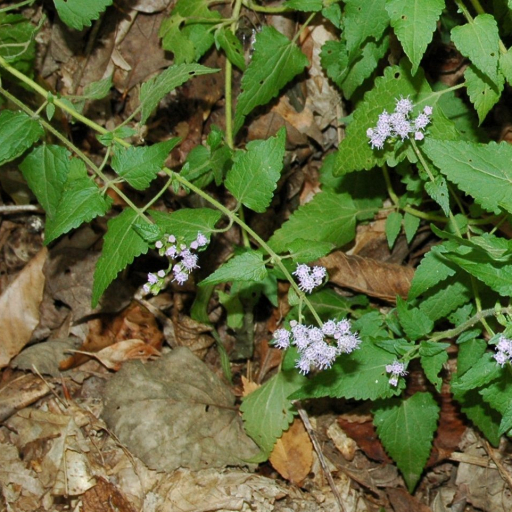
Often called the Pink Thoroughwort or Slender Mistflower, this delicate perennial is a native treasure of the southeastern United States. It creates a soft, hazy cloud of lavender-pink in the late summer, looking almost like a grounded sunset tucked into the shade. While it may look fragile, it is a resilient survivor that thrives in the dappled light of woodland edges and damp thickets.
🔍 How to Identify
- 🌸 Flower Clusters: Dense, fuzzy clusters of tiny, disc-shaped blooms that lack traditional "petals" (ray florets), giving them a soft, pom-pom appearance.
- 🍃 Leaf Shape: Distinctly triangular or heart-shaped (deltoid) leaves with coarsely toothed edges, usually appearing in pairs along the stem.
- 🌱 Growth Habit: A sprawling, multi-stemmed herb that can reach up to 3 feet tall, often leaning gracefully on neighboring plants for support.
🏡 In Your Garden
- 💧 Moisture Seeker: This plant acts as a "moisture indicator"; it is naturally found near creek banks and will wilt dramatically if the soil dries out, signaling it's time for a deep soak.
- 🦋 Pollinator Magnet: It is a high-value nectar source for late-season visitors, especially migrating butterflies and native bees who need energy as the autumn cooling begins.
- 🌿 Naturalizing: Because it spreads via rhizomes and seeds, it is best used in "wilder" parts of the garden or woodland borders where it can fill in gaps without crowding out more delicate specimens.
⚠️ Safety & Toxicity
- ✅ General Safety: This plant is generally considered safe for humans to handle and does not cause skin irritation under normal circumstances.
- 🐾 Pet Watch: While not nearly as dangerous as its cousin, the White Snakeroot, it is still wise to prevent pets from grazing on the foliage, as most wild Eupatorium-type plants can cause minor digestive upset if eaten in large quantities.
✨ Fun Fact
The Pink Thoroughwort was once classified in the same genus as the famous "Boneset" plants. Early herbalists believed the name "Thoroughwort" implied the plant could knit together broken bones because the leaves of some species appeared to grow "through" the stem!

Detailed Care Instructions
To grow Fleischmannia Incarnata plants, also known as rose vervain or rose verbena, you can follow these steps:
- Climate: Ensure that you are in the suitable climate for growing Fleischmannia Incarnata plants. They thrive in USDA hardiness zones 7-10.
- Sunlight: Choose a sunny location for planting that receives at least six hours of direct sunlight daily. Good exposure to sunlight will promote healthy growth and flowering.
- Soil: Fleischmannia Incarnata plants prefer moist, well-draining soil. Prepare the soil by removing any weeds, rocks, or debris. Add organic matter such as compost or well-rotted manure to improve soil fertility and drainage.
- Planting: Dig a hole in the prepared soil that is slightly larger than the plant's root ball. Place the plant in the hole, ensuring the top of the root ball is level with the soil surface. Backfill the hole with soil, gently pressing it down around the plant.
- Watering: Water the plant thoroughly after planting to settle the soil and provide moisture for the roots. Afterward, water regularly to keep the soil consistently moist but not waterlogged. Aim for deep watering rather than frequent shallow watering.
- Mulching: Apply a layer of organic mulch, such as wood chips or shredded bark, around the base of the plant. Mulching helps conserve moisture, suppress weed growth, and regulate soil temperature.
- Fertilization: Fleischmannia Incarnata plants generally don't require heavy fertilization. However, you can apply a balanced slow-release granular fertilizer in early spring to provide necessary nutrients. Follow the manufacturer's instructions for application rates.
- Pruning: Regular pruning helps to maintain a compact and tidy shape and encourages more flowering. Trim back any dead or damaged branches, as well as any overly leggy growth. Prune after flowering has finished or in early spring before new growth begins.
- Pests and diseases: Monitor the plant for any signs of pests like aphids or spider mites and treat accordingly using organic insecticides. Fleischmannia Incarnata plants are generally resistant to diseases but keep an eye out for common issues like powdery mildew and treat promptly if necessary.
- Propagation: If desired, you can propagate Fleischmannia Incarnata plants by taking stem cuttings in late spring or early summer. Dip the cut ends in rooting hormone and plant them in a well-draining potting mix. Keep the soil moist and provide bright, indirect light until roots develop.
Remember to research and follow any specific recommendations for this particular plant species and adjust the care instructions accordingly.

Place in a bright room that is sun drenched almost all day. Or directly in a south-facing window.

To water this plant, first determine its moisture needs based on the specific species and its natural habitat. Ensure that the soil is neither too dry nor too wet before watering. Water the plant deeply and regularly, allowing water to soak all the way to the roots. However, avoid waterlogging the soil, which can cause root rot. Use a watering can or a hose with a nozzle to control the amount of water directly at the base of the plant. Additionally, consider using rainwater or distilled water if the plant is sensitive to mineral accumulation. Adjust watering frequency based on the season and climate.
Fertilize the plant with a balanced, all-purpose fertilizer twice a year, once in early spring and once in mid-summer. Use a fertilizer with equal amounts of nitrogen, phosphorus, and potassium. Apply the fertilizer to the soil around the base of the plant, following the instructions on the package for the appropriate amount to use. Water the plant after fertilizing to help the nutrients soak into the soil. Avoid over-fertilizing, as this can lead to excessive growth and decreased plant health.
The best soil for Fleischmannia Incarnata plants is a well-draining, nutrient-rich, and slightly acidic soil. The ideal pH range should be between 5.5 to 7.0. The soil should be loose and fertile, allowing for good aeration and root development. Adding organic matter, such as compost or well-rotted manure, can improve the quality of the soil. The plant prefers moist but not waterlogged soils, so avoid heavy soils that retain too much water. A soil mix consisting of peat moss, perlite, and coarse sand or gravel can provide the ideal growing conditions for Fleischmannia Incarnata plants.
To propagate this plant, first take a cutting from the stem of a healthy adult plant. The stem should be about 6 inches long, and it should have a few leaves on it. Then, remove the bottom few leaves and dip the cut end of the stem into rooting hormone powder.
Next, prepare a pot with well-draining soil and make a small hole in the center. Insert the stem into the hole and gently press the soil around it to stabilize it. Water the soil thoroughly and cover the pot with a plastic bag to create a humid environment.
Keep the potted cutting in a warm and bright location, but out of direct sunlight. Mist the plant occasionally to keep the soil moist but not waterlogged. After a few weeks, the cutting should start to grow new leaves and roots. Once the roots have developed enough, transplant the young plant into a larger pot or outside in the garden.








